CHRONOBIOLOGY
This site is dedicated to the history, findings and advancements of Chronobiology.

Reduced Sleep Can Alter the Strain on the Heart Caused by Intense Exercise
In one study, participants completed an intense workout after a normal night's sleep and a... Read More
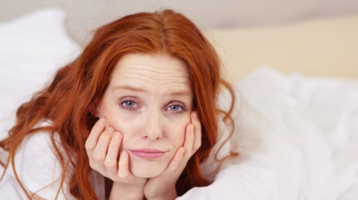
Your Brain Does Something Surprising When You're Not Sleeping
Almost everyone knows this feeling. After a night of poor sleep, it is more difficult to c... Read More
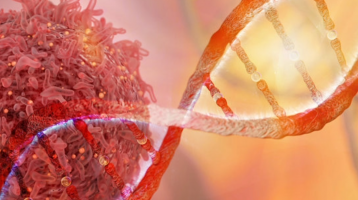
How Cancer Disrupts the Brain and Triggers Anxiety and Insomnia
Scientists have discovered that breast cancer can disrupt the brain's internal clock almos... Read More
RHYTHM OF LIFE
| 1 a.m. | Dream time |
| 2 a.m. | All systems in regeneration mode except liver and skin |
| 3 a.m. | Intensive sleep phase |
| 4 a.m. | Lungs most active |
| 5 a.m. | Kidney function at lowest point |
| 6 a.m. | The body's systems awaken |
| 7-9 a.m. | Hormones at their peak |
| 8-9 a.m. | Highest pain threshold |
| 10 a.m. - 12 noon | Fully fit and wide awake, brain most efficient |
| 12 noon | Time to eat digestion in top gear |
| 1-2 p.m. | Afternoon low, time for a nap |
| 3-4 p.m. | New upswing:phase of learning & logn term memory |
| 5-6 p.m. | Second peak, best time for manual work |
| 6-9 p.m. | Regeneration and relaxation, optimal sense of smell and taste |
| 9 p.m. | Stomach rests - time to stop eating |
| 11 p.m. | Time for bed |
| 11 p.m - 1 a.m. | Creativity at its peak |
ABOUT CHRONOBIOLOGY
This website is dedicated to the history, findings and advancements of Chronobiology.
Chronobiology is a field of biology that studies how our body’s natural cycles—mental, physical and emotional—are affected by solar and lunar rhythms. For example, the circadian rhythm, a 24-hour cycle of physiological processes that happen throughout the human body, is a vital cycle in the study of chronobiology.
When these processes break down, or abnormalities occur in the human body, it’s the study of chronobiology that could be the solution.