Chronophysiology : The Punctual Organization of our Functions
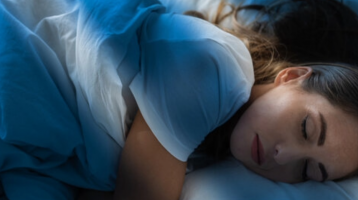
Chronophysiology is a segment in chronobiology that studies the timely organization of physiological processes. Included in the study is the timing of natural biological processes. Chronophysiology deals with the phenomenon of morning people and night owls and explains how biological systems and processes of organisms relate to each other with regard to timing. The human body is subject to a 24-hour rhythm. We have an inner clock (circadian clock), which enables us to anticipate events that are repeated daily and to adapt to different environmental circumstances in a physiologically optimal manner. Our lives are ruled by a day/night rhythm. Indicators such as light, darkness and temperature influence our biological rhythm, which is already set deep within our genes.
Almost all vital processes of the body that have been studied are subject to various rhythms. Hormones, neurotransmitters, sugar molecules that are consumed and antibodies within the blood cells show variably alternating concentrations in the blood throughout the day. Several changes are also important pacemakers for different reactions in the organs. Even the occurrence of illness and the intensity of its symptoms follow the impulses of an inner clock. This is especially true for asthma, depression and epileptic seizures. When the circadian rhythm is disturbed, general health and wellbeing are strongly impacted. Time change, for example, can have the same effect as jet lag, including problems sleeping and concentrating, or even depression. Problems can become even more serious and long-term among shift workers with evidence of chronic disturbance. Only when adapting our lifestyle to match our inner rhythms can we achieve the energy necessary to stay healthy.