CHRONOBIOLOGY
This site is dedicated to the history, findings and advancements of Chronobiology.
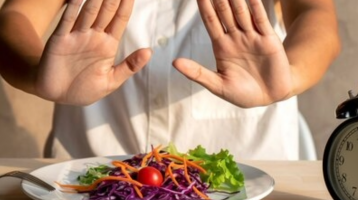
To Improve Your Heart Health, You Should Stop Eating 3 Hours Before Going to Bed
Researchers at Northwestern Medicine investigated whether adjusting the nighttime fasting ... Read More
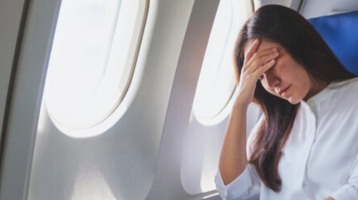
A New Drug Resets the Internal Clock and Shortens Recovery from Jet Lag by Almost Half
A research team led by scientists from several Japanese institutions has identified a comp... Read More
Noise Machines Could Worsen Your Sleep
Pink noise is often used to help people fall asleep, but new research suggests that it may... Read More
RHYTHM OF LIFE
| 1 a.m. | Dream time |
| 2 a.m. | All systems in regeneration mode except liver and skin |
| 3 a.m. | Intensive sleep phase |
| 4 a.m. | Lungs most active |
| 5 a.m. | Kidney function at lowest point |
| 6 a.m. | The body's systems awaken |
| 7-9 a.m. | Hormones at their peak |
| 8-9 a.m. | Highest pain threshold |
| 10 a.m. - 12 noon | Fully fit and wide awake, brain most efficient |
| 12 noon | Time to eat digestion in top gear |
| 1-2 p.m. | Afternoon low, time for a nap |
| 3-4 p.m. | New upswing:phase of learning & logn term memory |
| 5-6 p.m. | Second peak, best time for manual work |
| 6-9 p.m. | Regeneration and relaxation, optimal sense of smell and taste |
| 9 p.m. | Stomach rests - time to stop eating |
| 11 p.m. | Time for bed |
| 11 p.m - 1 a.m. | Creativity at its peak |
ABOUT CHRONOBIOLOGY
This website is dedicated to the history, findings and advancements of Chronobiology.
Chronobiology is a field of biology that studies how our body’s natural cycles—mental, physical and emotional—are affected by solar and lunar rhythms. For example, the circadian rhythm, a 24-hour cycle of physiological processes that happen throughout the human body, is a vital cycle in the study of chronobiology.
When these processes break down, or abnormalities occur in the human body, it’s the study of chronobiology that could be the solution.