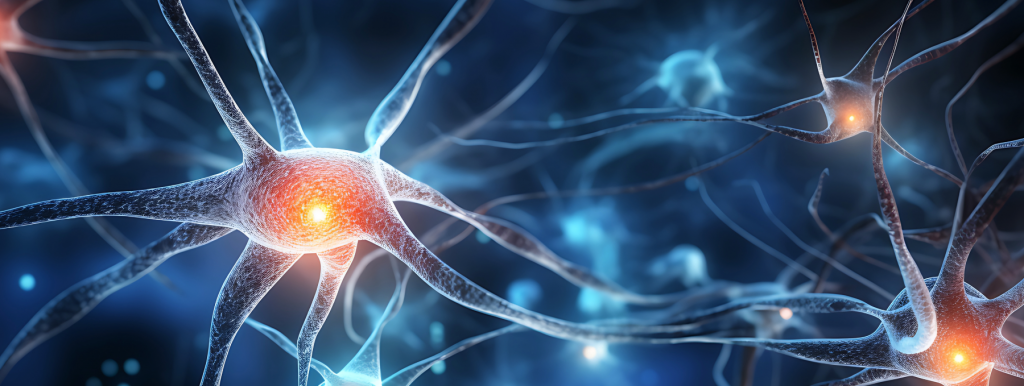
Certain nerve cells appear to control how much our need for sleep increases with every hour we stay awake. Swiss researchers have investigated these previously poorly understood neural circuits. In mice, selectively inhibiting these circuits led to a nearly 70 percent decrease in non-REM sleep. The results offer new insights into the biological regulation of […]Certain nerve cells appear to control how much our need for sleep increases with every hour we stay awake. Swiss researchers have investigated these previously poorly understood neural circuits. In mice, selectively inhibiting these circuits led to a nearly 70 percent decrease in non-REM sleep. The results offer new insights into the biological regulation of [...]
A Regular Daily Routine Could Help Relieve Pain and Symptoms of Depression

Consistent schedules for sleep, meals, and daily activities may have a greater impact on our health than previously thought. A new study from the University of Missouri shows that older adults with more regular daily routines reported less physical pain and depressive symptoms—even when they suffered from sleep problems. Regular Routines Despite Sleep Problems Many […]Consistent schedules for sleep, meals, and daily activities may have a greater impact on our health than previously thought. A new study from the University of Missouri shows that older adults with more regular daily routines reported less physical pain and depressive symptoms—even when they suffered from sleep problems. Regular Routines Despite Sleep Problems Many [...]
What Happens in Our Brains at Night: New Findings on the Brain’s Natural Cleansing Process During Sleep
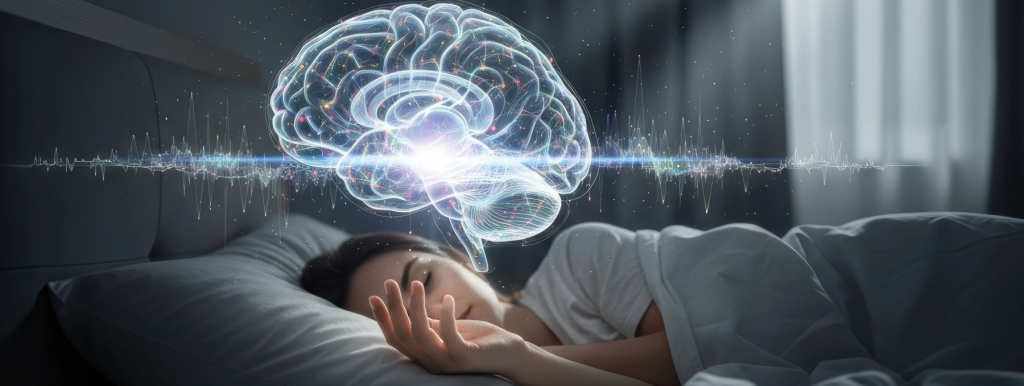
While we sleep, our brain works at full speed. It processes information, regulates important bodily functions, and helps remove metabolic waste. A new study by the Massachusetts Institute of Technology (MIT) now shows that targeted sound pulses can enhance certain fluid movements in the brain. This is an exciting discovery for sleep research and chronobiology. […]While we sleep, our brain works at full speed. It processes information, regulates important bodily functions, and helps remove metabolic waste. A new study by the Massachusetts Institute of Technology (MIT) now shows that targeted sound pulses can enhance certain fluid movements in the brain. This is an exciting discovery for sleep research and chronobiology. [...]
Afternoon Naps and the Body Clock: What Sleep Habits in Old Age Reveal About Our Health

For many people, a nap during the day is considered a soothing form of rest. However, a long-term study involving more than 1,300 older adults shows that the duration, frequency, and timing of daytime sleep may be linked to life expectancy. Morning sleep periods were particularly notable. For chronobiology, this raises interesting questions about the […]For many people, a nap during the day is considered a soothing form of rest. However, a long-term study involving more than 1,300 older adults shows that the duration, frequency, and timing of daytime sleep may be linked to life expectancy. Morning sleep periods were particularly notable. For chronobiology, this raises interesting questions about the [...]
Sleep Disorders May Leave Their Mark on the Brain: Researchers Discover Changes in Key Brain Regions

Sleep problems can cause far more than just fatigue and difficulty concentrating. An analysis of 57 imaging studies shows that various sleep disorders are linked to structural changes in the brain. Among the regions affected are those responsible for attention and emotional regulation. Sleep Problems May Affect the Brain More Significantly than Previously Thought Sleep […]Sleep problems can cause far more than just fatigue and difficulty concentrating. An analysis of 57 imaging studies shows that various sleep disorders are linked to structural changes in the brain. Among the regions affected are those responsible for attention and emotional regulation. Sleep Problems May Affect the Brain More Significantly than Previously Thought Sleep [...]
- 1
- 2
- 3
- …
- 113
- Next Page »