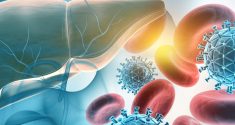
Natural killer cells act as the immune system’s rapid response team, but stress caused by anxiety and insomnia can reduce their numbers without anyone noticing. One study found that both conditions were associated with significantly lower numbers of NK cells—particularly the circulating types responsible for destroying infected or abnormal cells. As anxiety severity increased, NK cell numbers declined even further, suggesting a stress-related weakening of immune defenses.
Natural Killer Cells and their Role
Stress and insomnia are widespread problems in today’s society that are closely related and can have a significant impact on physical and mental health. Recent research shows that stress and insomnia can quietly destroy one of the immune system’s most important defense mechanisms.
Natural killer cells (NK cells) play an important role in the immune system. They help fight infections by attacking invading microbes, foreign substances, and damaged or infected cells at an early stage, thus limiting their spread. They are known to recognize and destroy cells that are infected or suspected of being tumors. Unlike T cells, which develop a specific immune response to certain antigens, NK cells act non-specifically and recognize a variety of target cells that are considered “abnormal.”
NK cells can directly destroy infected cells by releasing cytotoxins that destroy the target cells. They also have the ability to recognize cells that have reduced expression of MHC class I molecules (major histocompatibility complex) on their surface. Many viral infections and tumor cells tend to downregulate these MHC I molecules, which signals to NK cells that the cells should be attacked.
Another interesting aspect of NK cells is their ability to produce cytokines such as interferon-gamma, which can trigger an inflammatory response and enhance the activity of other immune cells. NK cells migrate through the bloodstream (circulating) or remain in specific tissues and organs. If the number of NK cells decreases too much, the immune system can no longer function properly, which increases the risk of disease.
Anxiety disorders and insomnia impair healthy immune activity. As these conditions are becoming more common, researchers in Saudi Arabia investigated how they are related to NK cell levels in young female students. Their findings were published in Frontiers in Immunology. “We found that students with insomnia symptoms had a decrease in the number and percentage of total NK cells and their subpopulations,” said first author Dr. Renad Alhamawi, assistant professor of immunology and immunotherapy at Taibah University. “Students with general anxiety symptoms, on the other hand, had a lower percentage and number of circulating NK cells and their subpopulations compared to symptom-free students.”
Study Design and Student Health Profiles
60 female students aged 17 to 23 participated in the study. Each participant completed three questionnaires on sociodemographic information and symptoms related to anxiety and insomnia. The information on anxiety and sleep disorders was provided by the participants themselves. According to the surveys, about 53 percent of the students suffered from sleep disorders associated with insomnia, and 75 percent reported anxiety symptoms, with about 17 percent and 13 percent falling into the moderate and severe categories.
Blood samples were also taken to measure different types of NK cells. NK cells comprise two main subgroups: CD16+CD56dim cells, which make up the majority of NK cells in the nervous system that connects the central nervous system to the rest of the body (peripheral NK cells). This subtype is cytotoxic, meaning it can destroy cells that invade or harm the body. The second subgroup, CD16+CD56high cells, is less common and contributes to the release of proteins that act as chemical messengers and support immune regulation. Both groups are
The results showed that students who reported anxiety symptoms had both a lower percentage and a lower number of circulating NK cells and their subtypes than those without symptoms. The severity of anxiety also played a role. Students with moderate or severe symptoms had a significantly reduced percentage of circulating NK cells, while those with minimal or mild symptoms showed only a small and statistically insignificant decline. In students with sleep disorders, higher anxiety scores were associated with a lower proportion of peripheral NK cells overall.
Consequences of a Weakened Immune System
A decline in NK cells can weaken immune function and increase the likelihood of various health problems, including infectious diseases, cancer, and mental illnesses such as depression. “Understanding how these psychological stressors affect the distribution and activity of immune cells, particularly peripheral NK cells, can provide valuable insights into the mechanisms underlying inflammation and tumorigenesis,” Alhamawi explained.
The researchers noted some limitations. Only young female participants were included, a group in which anxiety and sleep problems have increased disproportionately. This narrow focus limits the applicability of the findings. The team emphasized that studies involving a broader range of ages, genders, and geographic regions are needed to gain a more complete understanding of how anxiety and insomnia affect NK cell levels and NK cell function.
Lifestyle Measures and the Impact of Stress on Immunity
 Previous research suggests that healthy habits, including regular physical activity, lower stress levels, and a balanced diet, may help improve NK cell count and performance. Nevertheless, anxiety and insomnia can interfere with normal biological processes throughout the body, including immune responses, and contribute to chronic and inflammatory diseases. “Such effects ultimately compromise overall health and quality of life,” Alhamawi concluded.
Physical Activity
Moderate, regular exercise not only promotes overall health, but also NK cell activity and count. Studies have shown that moderate physical activity (e.g., regular jogging, cycling, or yoga) can increase the number of NK cells in the blood. However, it appears that excessive physical exertion, such as that which occurs during intense exercise, can have the opposite effect and temporarily weaken the immune system.
Nutrition
A balanced diet rich in vitamins, minerals, and antioxidants also supports the function of the immune system. Certain foods such as fruits, vegetables, whole grains, and healthy fats (e.g., omega-3 fatty acids) can have anti-inflammatory effects and strengthen the immune system as a whole, including the activity of NK cells.
You may also be interested in...
-

In chronic hepatitis B, the liver contains immune cells that could destroy cells infected with…
-
Although your brain may seem to shut off when you sleep, research has found that…
-
Insomnia, a blanket term for disorders in which people lack either sleep quantity or quality,…