Unknown sleep disorders are sleep problems for which no clear cause can initially be identified. Those affected sleep poorly, wake up frequently, feel exhausted in the morning or experience unusual nocturnal symptoms – and yet, after initial examinations, neither organic diseases nor typical sleep disorders such as sleep apnoea, restless legs or hormonal changes can be clearly identified.
Unknown Sleep Disorders have Many Faces
Such sleep problems, which are difficult to classify, are often caused by a combination of several factors that reinforce each other. There are often subtle disturbances to the circadian rhythm, i.e. the internal clock, without those affected experiencing strong external influences such as shift work or jet lag. Even small deviations in lighting behavior, eating times or stress hormones can lead to the body no longer clearly distinguishing between day and night. In other cases, unrecognized psychophysiological processes play a role: sleep is induced physically, but the brain remains permanently active due to increased alertness or subliminal anxiety. Such processes can become established over months without a person consciously experiencing stress.
 Hormonal micro-fluctuations – for example in women during the peri- or postmenopause or in men during the andropause – can also trigger unclear sleep disorders without standard measurements being immediately noticeable. The autonomic nervous system can also become unbalanced, which means that the body does not “shut down” sufficiently at night. Some people also experience subtle breathing regulation disorders or changes in deep sleep architecture that are not visible in simple examinations, but nevertheless lead to non-restorative sleep.
Unknown sleep disorders are so stressful because, on the one hand, sufferers have clear symptoms, but on the other hand, they do not receive a clear diagnosis. This can lead to insecurity, rumination and even worse sleep – a cycle that perpetuates itself. A systematic approach helps: precise recording of symptoms, sleep logs, analysis of daily patterns, assessment of psychological stress and, if necessary, detailed sleep diagnostics in a sleep laboratory. In many cases, it turns out that the supposedly “unknown” sleep disorders are an expression of a complex but treatable interplay of stress physiology, rhythm of life, hormonal factors and sleep behavior.
What Types are there?
Sleep disorders can be divided into clearly defined categories – even if they seem “unknown” at first. Today, medicine distinguishes between several large groups of sleep disorders, each of which has different causes and symptoms. Here is a clear, complete classification:
Insomnia (Difficulty Falling Asleep and Staying Asleep)
Disorders in which falling asleep, staying asleep or the quality of sleep are impaired.
Examples:
- Primary insomnia (no recognizable cause)
- Psychophysiological insomnia (fear of sleeping, brooding, hyperarousal)
- Paradoxical insomnia (people objectively sleep normally but don’t feel that way)
- Short sleeper/long sleeper syndrome
Sleep-Related Breathing Disorders
Disorders in which breathing and oxygen supply are disturbed during sleep.
Examples:
- Obstructive sleep apnoea (airways collapse)
- Central sleep apnoea (breathing control in the brain is disturbed)
- Obesity hypoventilation syndrome
- Snoring with sleep disturbance
 Hypersomnia (excessive daytime sleepiness)
Those affected sleep sufficiently, but are still excessively sleepy during the day.
Examples:
- Narcolepsy (with or without cataplexy)
- Idiopathic hypersomnia
- Minor sleep attacks (“sleep attacks”)
Disorders of the Circadian Sleep-Wake Rhythm
The internal clock is shifted or disturbed.
Examples:
- Delayed sleep phase disorder (falling asleep extremely late)
- Advanced sleep phase disorder (falling asleep very early)
- Shift work syndrome
- Non-24-hour rhythm (especially in visually impaired people)
- Irregular sleep-wake rhythm
Parasomnias (Unusual Events during sleep)
Unexpected or uncontrolled behavior during sleep.
Examples:
- Sleepwalking
- Pavor nocturnus (night terrors)
- Nightmares
- REM sleep behavior disorder (dreams are acted out)
- Sleep-related eating disorder (SRED)
Sleep-Related Movement Disorders
Movements or sensations that disturb sleep.
Examples:
- Restless legs syndrome (RLS )
- Periodic leg movements (PLMS)
- Bruxism (teeth grinding)
- Rhythmic movement disorders
Sleep problems triggered by illness or psychological stress.
Examples
- Depressive sleep disorders
- Anxiety-related sleep problems
- Pain-related sleep disorders
- Sleep problems caused by medication or substances
Unspecified or “Unclear” Sleep Disorders
These include disorders that cannot initially be clearly assigned to any category, for example
- unexplained panic at night
- fragmented sleep without a recognizable cause
- subjectively poor sleep despite normal measurements
- “Micro-arousals” in the EEG without a clear trigger
- Unclear nocturnal movement phenomena
In the case of overlooked sleep disorders, the problems often manifest themselves unspecifically or subtly, so that they are easily misinterpreted as stress, age or other life circumstances. Nevertheless, there are typical symptoms that indicate that a sleep disorder is actually present:
Treatment Options
The treatment of unknown or not clearly diagnosed sleep disorders depends heavily on which symptoms predominate, how much they interfere with everyday life and whether physical or psychological causes are suspected. As the exact type of sleep disorder is unknown, treatment is carried out in several steps:
1. Detailed Diagnostics
Careful clarification is necessary before starting treatment:
- Sleep history: detailed discussion about sleeping habits, duration of sleep, daytime sleepiness, problems falling asleep and staying asleep.
- Sleep diary: Logging of sleeping times, waking phases, tiredness, dreams and, if necessary, alcohol or caffeine consumption.
- Polysomnography: An examination in a sleep laboratory to measure brain waves, breathing, heart rate and movements during the night if serious or unusual disorders are suspected.
- Actigraphy: Measurement of movements over several days using a wristband to assess sleep-wake rhythms.
- Clarification of physical causes: thyroid disorders, pain, medication, neurological or psychiatric illnesses.
2. General Measures for Unclear Sleep Problems
Initial improvements can often be achieved even without a precise diagnosis:
-
Sleep Hygiene:
- Regular bedtimes, even at the weekend
- Keep your bedroom dark, quiet and cool
- Reduce screen time before going to bed
- No caffeinated drinks in the evening
-
Behavioral Strategies (cognitive behavioral therapy for sleep disorders – CBT-I):
- Establish bedtime rituals
- Relaxation techniques such as progressive muscle relaxation, breathing exercises, meditation
- Stimulus control: use bed only for sleeping and not for work/TV
-
Exercise and Diet:
- Regular physical activity, but not directly before sleep
- No heavy meals shortly before going to bed
3. Medication Therapy (if necessary and under medical supervision)
- Sleeping pills can be used in the short term, e.g. certain benzodiazepine-like drugs or antihistamines.
- Long-term self-medication is not recommended as it does not address the sleep rhythm and causes and can lead to addiction.
4 Specialized Therapy
If diagnostics reveal a specific disorder (e.g. sleep apnoea, restless legs syndrome, circadian rhythm disorder, narcolepsy), targeted treatment is provided:
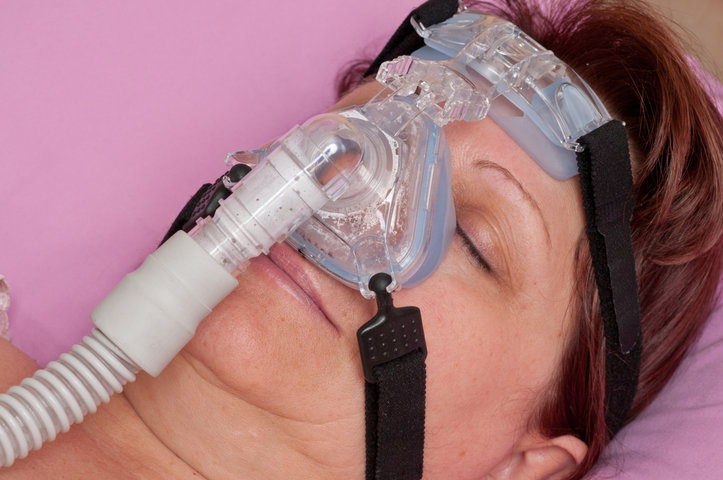
- Breathing Devices (CPAP) for Sleep Apnea
- Medication for Restless Legs or Narcolepsy
- Light Therapy for Circadian Disorders
- Psychotherapy for Insomnia-Related Problems or Depression
In the case of unknown sleep disorders, the first step is always a thorough assessment, followed by general measures and, if necessary, targeted therapies. Many improvements can be achieved with sleep hygiene and behavioral therapy.
You may also be interested in...
-

Autism spectrum disorders affect a large and growing percentage of children in the Western world.…
-
People who live with Parkinson's disease quickly find that even routine tasks become difficult as…