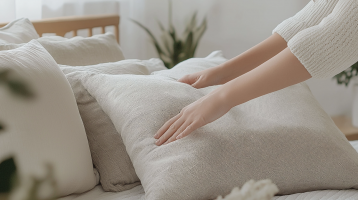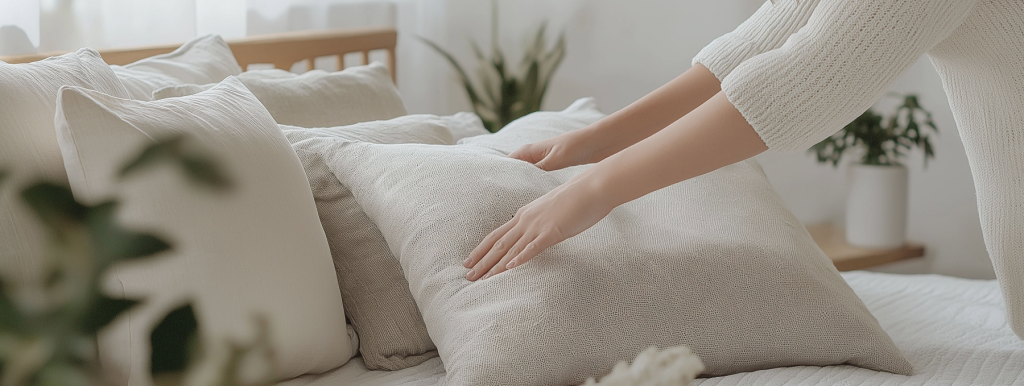
No sooner has the alarm clock stopped ringing than, for many people, the morning routine begins: getting up, making the bed, showering, and brewing coffee. The bedroom should look tidy before the day really gets underway. But when it comes to making the bed, of all things, it might make sense to change the usual […]No sooner has the alarm clock stopped ringing than, for many people, the morning routine begins: getting up, making the bed, showering, and brewing coffee. The bedroom should look tidy before the day really gets underway. But when it comes to making the bed, of all things, it might make sense to change the usual [...]
Alzheimer’s Research: How Overactive Immune Cells Rob Us of Sleep – And Why the Problem May Be Reversible

U.S. researchers were able to restore more than two hours of sleep per day in mice with Alzheimer’s-like changes. To do so, they did not need to remove the typical protein deposits in the brain or reduce their quantity. Instead, the intervention targeted overactive immune cells. The discovery could open up a new approach to […]U.S. researchers were able to restore more than two hours of sleep per day in mice with Alzheimer’s-like changes. To do so, they did not need to remove the typical protein deposits in the brain or reduce their quantity. Instead, the intervention targeted overactive immune cells. The discovery could open up a new approach to [...]
Stress Resilience Starts in Everyday Life: How Sleep, Diet, and Our Internal Clock Influence Our Mental Flexibility
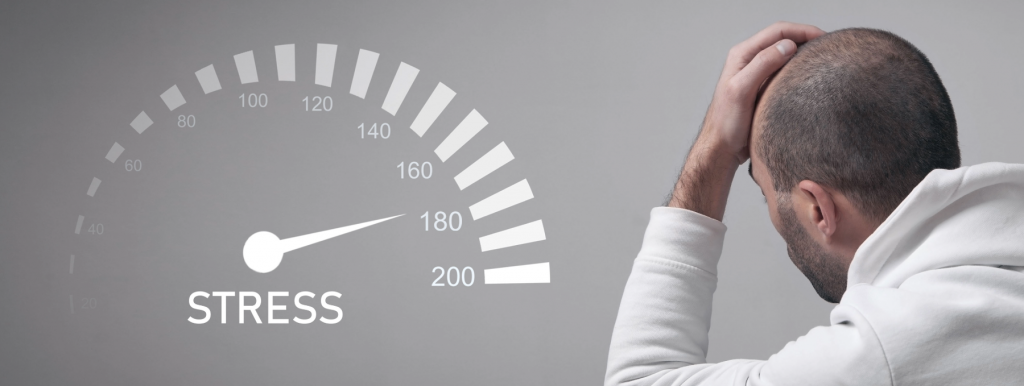
Why are some people able to keep a clear head even in difficult situations, while others lose their balance more quickly? In addition to personal experiences and psychological strategies, everyday habits may also play a role. A study by Binghamton University shows links between diet, exercise, sleep, and the ability to cope with stress. Chronobiology […]Why are some people able to keep a clear head even in difficult situations, while others lose their balance more quickly? In addition to personal experiences and psychological strategies, everyday habits may also play a role. A study by Binghamton University shows links between diet, exercise, sleep, and the ability to cope with stress. Chronobiology [...]
Sleep Better Through Daily Exercise: Why Even a Few Minutes Could Make a Difference

If you want to sleep better, you don’t necessarily have to exercise longer or more intensely. How regularly you incorporate exercise into your daily routine could also be a key factor. A study by the University of Texas at Austin suggests that people who exercise on more days spend more time in restorative sleep phases. […]If you want to sleep better, you don’t necessarily have to exercise longer or more intensely. How regularly you incorporate exercise into your daily routine could also be a key factor. A study by the University of Texas at Austin suggests that people who exercise on more days spend more time in restorative sleep phases. [...]
Hinoki Scent and Sleep: Can the Scent of Japanese Cypress Improve a Good Night’s Sleep?

A small study from Japan provides interesting evidence that the scent of hinoki roots may influence sleep. Women who used the essential oil in their bedrooms for two weeks woke up less often at night and felt less tired in the morning. Brain activity while falling asleep also changed. The results are interesting—but, given the […]A small study from Japan provides interesting evidence that the scent of hinoki roots may influence sleep. Women who used the essential oil in their bedrooms for two weeks woke up less often at night and felt less tired in the morning. Brain activity while falling asleep also changed. The results are interesting—but, given the [...]
- 1
- 2
- 3
- …
- 148
- Next Page »