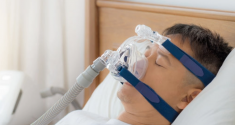
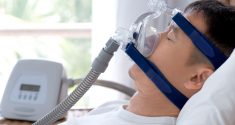
A new treatment for obstructive sleep apnea offers hope to people who cannot tolerate a CPAP mask. The drug AD109 is taken once daily in the evening and is designed not only to treat symptoms but also to target one of the key mechanisms of the condition: the loss of muscle tone in the upper airway during sleep. The results of a large Phase 3 trial show significant improvements in breathing pauses and nocturnal oxygen deprivation. However, AD109 is not yet an approved medication. The U.S. Food and Drug Administration (FDA) has since accepted the marketing application for review. A decision could be made in 2027.
What Happens in Sleep Apnea?
Obstructive sleep apnea—OSA for short—is one of the most common sleep-related breathing disorders. During sleep, the muscles in the throat relax. In some people, this relaxation is sufficient to cause the upper airway to narrow significantly or even close completely. The result: breathing repeatedly stops.
 The body reacts to this by a drop in the oxygen level in the blood. At the same time, the respiratory drive increases, and the brain triggers brief arousal responses. Often, the person affected is unaware of this the next morning. However, sleep is repeatedly interrupted. This process can occur dozens or even hundreds of times per night.
Typical signs include loud snoring, observed breathing pauses, waking up startled or gasping for air during the night, and pronounced daytime fatigue. Problems with concentration and morning headaches may also occur. The American Academy of Sleep Medicine points out that untreated OSA can significantly impair health and quality of life.
Why is the Lack of Oxygen Problematic?
Sleep apnea is far more than just snoring. During a breathing pause, the upper airway closes, so that little or no air reaches the lungs for a short time. This causes the oxygen level in the blood to drop. At the same time, the carbon dioxide level rises. The brain detects the change in breathing and triggers a brief awakening to reopen the airways. Those affected are often unaware of this—yet their sleep is repeatedly interrupted.
In severe cases of sleep apnea, this process can repeat itself dozens or even hundreds of times per night. The body repeatedly enters a sort of alarm state: heart rate and blood pressure can spike briefly, the stress response is activated, and the blood vessels are strained. The constant cycle of oxygen deprivation followed by normalization can also promote inflammatory processes and so-called oxidative stress.
In the long term, untreated OSA is therefore associated with an increased risk of high blood pressure and various cardiovascular diseases. In addition, the many brief awakenings can interfere with restful sleep. As a result, despite seemingly adequate sleep duration, those affected often feel tired, unfocused, or less productive the next day.
That is why successful treatment is not merely about reducing snoring. What is crucial is that the airways remain open as consistently as possible during sleep, the number of breathing pauses decreases, and the body receives an adequate supply of oxygen. This is precisely why, when evaluating new therapies, measurements such as oxygen desaturation and so-called hypoxic load are important in addition to the apnea-hypopnea index.
Why Has CPAP Been the Standard of Care so Far?
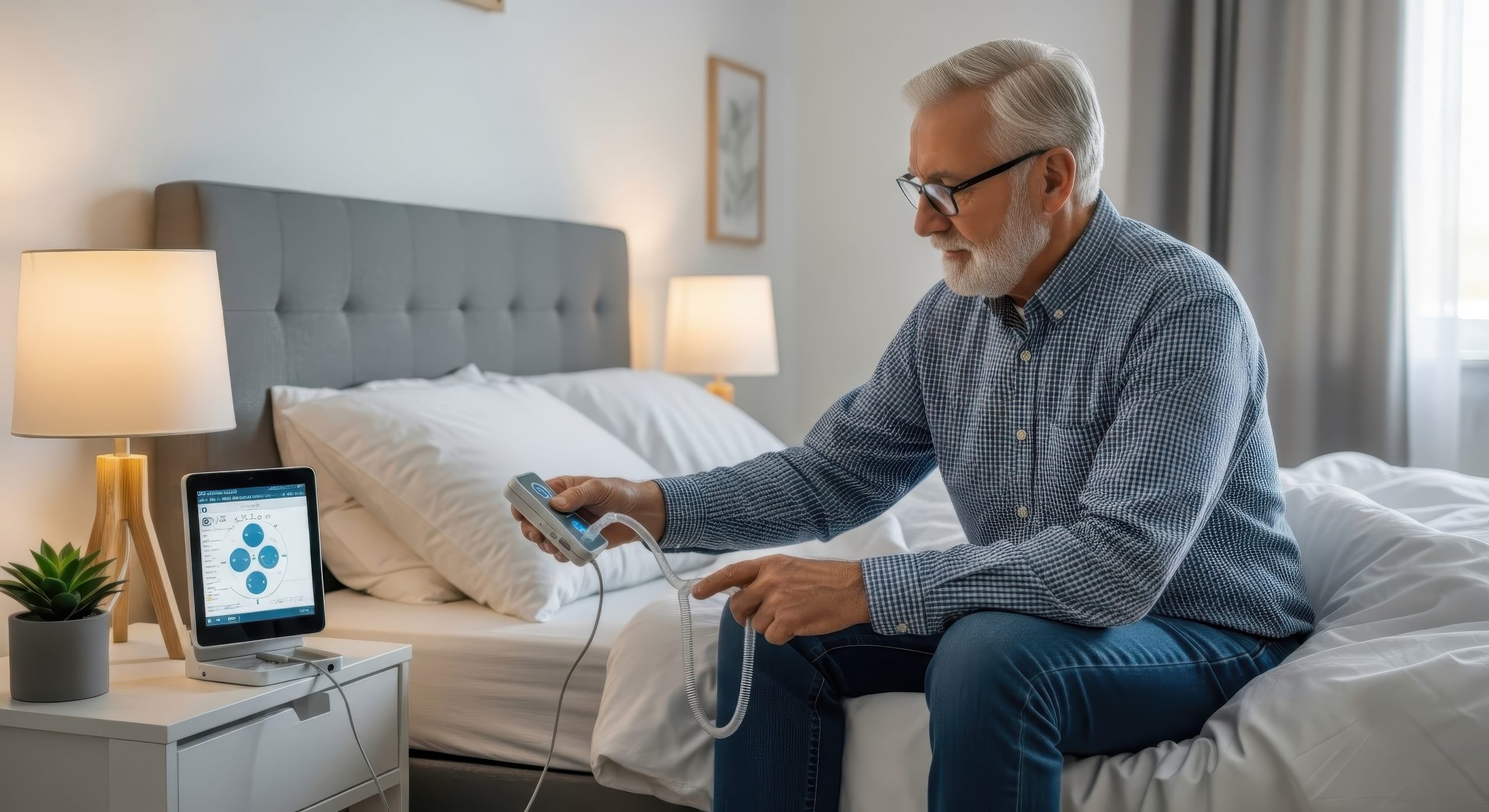
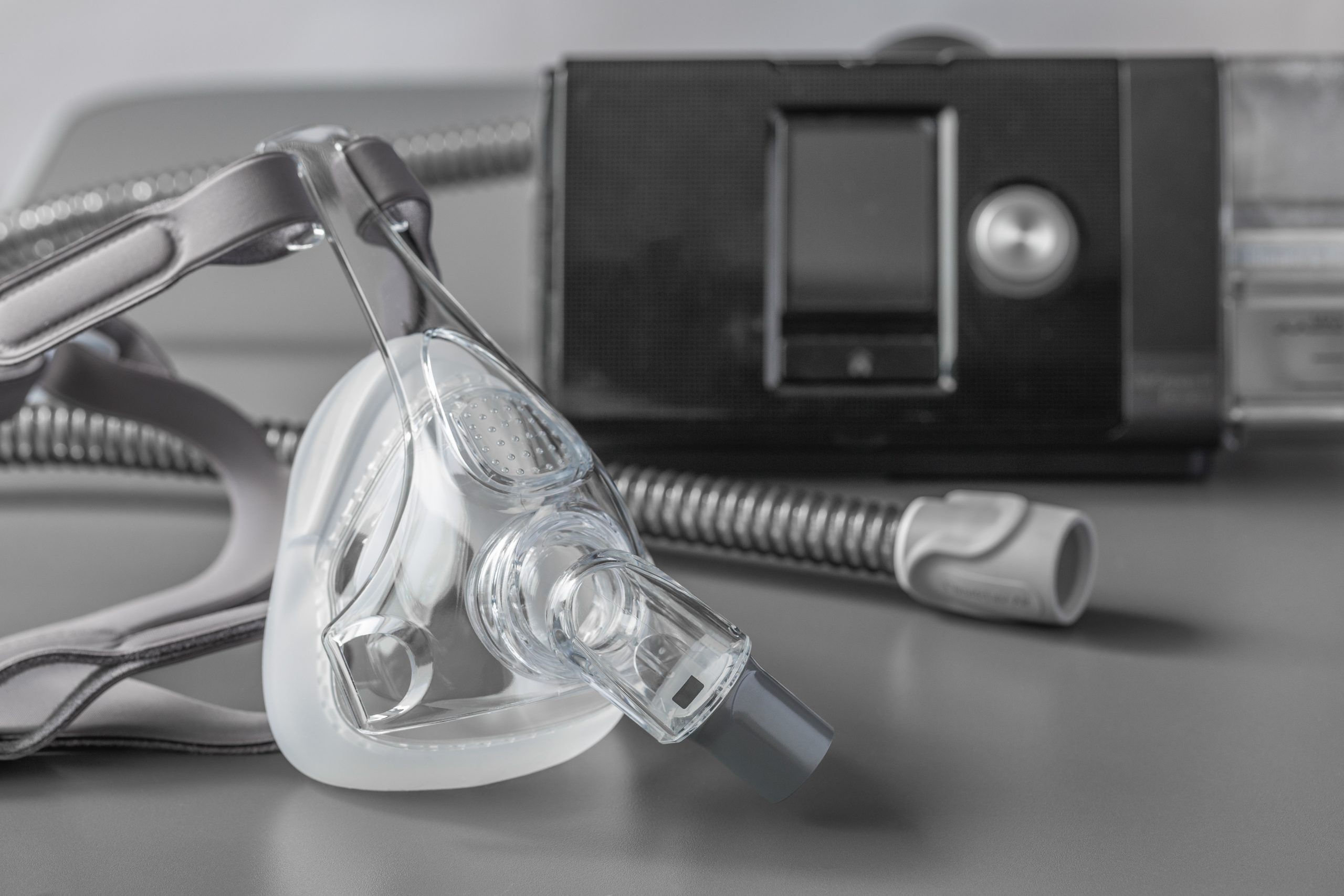 The most important established treatment for OSA is PAP therapy, particularly CPAP. This involves continuously delivering a gentle positive air pressure through a mask. This pressure keeps the throat open during sleep, thereby preventing many breathing pauses. The AASM recommends CPAP or APAP for the ongoing treatment of adults with OSA. The problem: Effective therapy only works if it is actually used. Some patients find the mask uncomfortable, suffer from a dry nose or mouth, are bothered by the airflow, or simply cannot cope with the device overall. Others reject PAP therapy outright. This is precisely where the development of AD109 comes in.
AD109: What’s Behind the Tablet?
AD109 combines two active ingredients: aroxybutynin and atomoxetine. The fixed-dose combination consists of 2.5 mg of aroxybutynin and 75 mg of atomoxetine and is taken once daily before bedtime. This approach differs fundamentally from CPAP. CPAP keeps the airway open from the outside using air pressure. AD109, on the other hand, is designed to support the muscles that keep the upper airway open during sleep. Put simply: The tablet is intended to help prevent the throat from collapsing as easily. Atomoxetine influences noradrenergic signaling in this process. Aroxybutynin acts on muscarinic receptors. The combination is intended to increase the activity and tone of the upper airway muscles during sleep. Thus, AD109 takes a comparatively new approach to the treatment of OSA: It aims to treat not only the obstructed airway, but also part of the neuromuscular cause that can contribute to the collapse.
What Did the Large Phase 3 Study Show?
In the so-called SynAIRgy study, 646 adults with mild, moderate, or severe OSA were examined. The study was conducted at 69 centers in the U.S. and Canada and lasted six months. The participants all shared the common characteristic that they either could not tolerate or refused PAP therapy. About 35 percent had mild OSA, 42 percent had moderate OSA, and 23 percent had severe OSA. The study was randomized, double-blind, and placebo-controlled—important criteria for determining the actual effect of a medication as reliably as possible. The key finding concerns the apnea-hypopnea index (AHI).
The AHI indicates how many complete breathing pauses and significant reductions in breathing occur per hour of sleep. The higher the value, the more severe the sleep apnea. With AD109, the AHI decreased by 55.6 percent by week 26. With the placebo, the corresponding reduction was significantly smaller. The difference between the groups was highly statistically significant. A clear effect was also observed in terms of nocturnal oxygen deprivation. The so-called hypoxic burden—that is, the duration and intensity of the body’s exposure to oxygen deprivation during the night—decreased by approximately 60.5 percent. The oxygen desaturation index also improved significantly.
In Some Patients, Sleep Apnea Became Significantly Milder
It is not only the average effect that is interesting. In 39.6 percent of participants treated with AD109, the AHI decreased by at least half. By the end of the study, 22.3 percent achieved an AHI of fewer than five events per hour—a range considered to indicate control of OSA. The effect was observed in people with mild, moderate, and severe OSA alike. Comparable effects were also observed in participants with and without obesity. Initial improvements were already evident after four weeks and persisted through the end of the six-month study.
This is important because sleep apnea is not a uniform condition. For some people, for example, body weight plays a major role, while for others, anatomical factors or the function of the upper airway muscles are more decisive.
A Pill is Not Yet a Replacement for CPAP
Despite the positive results, AD109 should not be described as a “better version of CPAP.” CPAP remains an established and guideline-recommended treatment. AD109—if approved—would primarily be an additional option for people for whom PAP does not work, is not tolerated, or is not accepted.
 Furthermore, the SynAIRgy study specifically examined people who could not tolerate or refused PAP. The results therefore cannot simply be generalized to everyone with sleep apnea. Another important point: While a lower AHI is a key treatment goal, it is not automatically synonymous with a proven reduction in heart attacks, strokes, or mortality. Other, longer-term studies are required to assess such long-term clinical outcomes.
What Side Effects Occurred?
Even with a medication that could serve as an alternative to the CPAP mask, tolerability must be carefully evaluated. AD109 was generally described as well-tolerated; however, some patients did experience side effects. These primarily included dry mouth, insomnia, and nausea; in addition, difficulties with urination were reported. According to the developer, most side effects were mild to moderate.
About 21 percent of participants discontinued treatment due to side effects. This is an important consideration for a therapy targeting a chronic condition: A tablet must not only be effective but also well tolerated over the long term.
Insomnia is particularly interesting in this context because AD109 is intended to improve nighttime breathing without interfering with sleep. Whether the side effects are acceptable in the long term in everyday life will therefore become clear primarily with broader use. Tolerability will play an important role alongside efficacy should AD109 actually be approved.
Why the Development is Still Noteworthy
AD109 is still undergoing the approval process and is not currently an approved standard treatment for sleep apnea. However, the decisive step has now been taken: Apnimed has submitted the New Drug Application (NDA) to the FDA, and the agency officially accepted the application for review in July 2026. This does not yet mean approval. The FDA is now reviewing the drug’s efficacy, safety, and the entire data package. The originally expected PDUFA date was in the first quarter of 2027. This means that a decision on whether AD109 will actually be approved in the U.S. as a new drug treatment for obstructive sleep apnea could be made next year.
The true significance of AD109 may lie less in the fact that a tablet will simply replace the CPAP mask in the future. What is more interesting is that our understanding of sleep apnea is changing. For a long time, OSA was viewed primarily as a mechanical problem: during sleep, the throat collapses, so pressure must be applied to keep it open. Today, it is clearer that several factors interact—including the anatomy of the upper airways, the activity of the respiratory muscles, the control of breathing, and the brain’s response to changes in breathing.
AD109 targets one of these factors. If its benefits are confirmed in further clinical development and the FDA approves the drug, it could mark the first time an oral therapy specifically targeting the neuromuscular mechanisms of OSA becomes available. For patients who cannot tolerate a CPAP mask, this would be an important additional option. However, a promising Phase 3 trial does not automatically translate into a new standard of care. Only regulatory review and experience with widespread use will reveal the actual significance AD109 will ultimately have.
You may also be interested in...
-

A drug called sulthiame could help people with obstructive sleep apnea breathe more easily at…
-
Poor sleep quality can have a negative impact on memory. Research has already shown that…