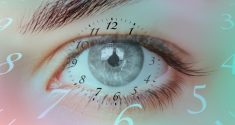
The circadian clocks that control the circadian rhythm are intertwined with many important systems in living organisms such as plants, fungi, insects, and even humans. For this reason, disruptions to our circadian clocks are associated with higher rates of disease in humans, including certain types of cancer and autoimmune diseases.
Every New Insight Into the Mechanisms of Our Internal Clocks Brings us Closer to the Oossibility of Making Changes
Dr. Jennifer Hurley of Rensselaer Polytechnic Institute, Richard Baruch M.D. Career Development Chair and Associate Head of the Department of Biological Sciences, has dedicated her career to understanding the mechanisms that enable our circadian clocks to measure time. “Since proteins are the building blocks of life, it is important to gain a fundamental understanding of how these proteins interact,” said Hurley. “If we know how proteins interact, we can learn how an organism behaves and also have the opportunity to change that behavior.” In their study, Hurley and her team discovered that the disrupted clock protein FRQ in a fungus called Neurospora crassa interacted in unexpected ways with a protein called FRH. They found regions or “blocks” on FRQ that were positively charged. These blocks allowed FRQ and FRH to interact across many different regions. “While proteins are often thought of as well-ordered structures, there is a whole class of proteins that are more flexible, like wet spaghetti noodles,” Hurley said. “This flexibility can be important for interactions between proteins. In the case of FRQ, we believe that its ‘noodle-like’ nature allows the positively charged blocks to bind to FRH, perhaps like a hug.”
 The researchers had expected a simple, straightforward interaction between FRQ and FRH, but found that the interaction was much more complex than they had anticipated. Hurley and her team found that this so-called hug causes the molecular circadian clock to change from an hourglass that must be reset every day by light to a persistent oscillator that allows for a continuous rhythm without needing to be reset by light. This persistent circadian oscillator is the fundamental method by which the circadian clock measures time and regulates everything from our behavior to how an animal in the Arctic knows when to hunt, even when there is no light available during the winter months. Every new insight into the mechanisms of our circadian clocks brings us closer to the possibility of making changes that will have great practical benefits. If we could manipulate the circadian clock, it could help in the production of biofuels, in combating jet lag, and in ensuring the health of shift workers and others with irregular working hours.
Healthcare offers numerous opportunities to apply our knowledge of circadian rhythms. “In our field, we call this ‘chronotherapy,’” says Hurley. “If you injure yourself at a certain time of day, you heal much faster than at another time. Therefore, we can schedule surgeries at the right time of day. We can even time chemotherapy to occur at a time when healthy cells are not dividing, but cancer cells are, thereby reducing side effects and increasing the effectiveness of the treatment.” “With this research, Professor Hurley and her team have once again expanded our understanding of how circadian rhythms work at the molecular level,” said Dr. Curt Breneman, dean of the Rensselaer School of Science. “This deep understanding of the mechanisms of circadian processes opens up new opportunities to better mitigate their effects on higher organisms and humans.”
You may also be interested in...
-

Without vision, we would miss out on a variety of experiences. We would have trouble…
-
Circadian rhythms, or internal 24-hour biological clocks, are the subject of many current research trials.…
-
The mesmerizing shades of blue and orange in the sky at the beginning and end…