Millions of people worldwide suffer from obstructive sleep apnea, a common condition in which breathing is repeatedly interrupted during sleep. New research in mice suggests that gut microbes and the metabolites they produce may play a surprising role in protecting against some of the most serious consequences of this condition, including heart disease. The findings presented at ASM Microbe 2026 point to a potential new approach for preventing and treating cardiovascular complications associated with sleep apnea.
How Sleep Apnea Affects the Body
Obstructive sleep apnea is a common sleep disorder characterized by repeated pauses in breathing during sleep. This is usually caused by a narrowing or temporary blockage of the upper airways. As a result, those affected often wake up briefly, often without realizing it, so that breathing can resume. This can happen dozens of times a night and not only leads to poor sleep and daytime fatigue but also increases the long-term risk of high blood pressure, cardiovascular disease, strokes, and metabolic disorders. With each breathing pause, the oxygen level in the blood drops while the carbon dioxide level rises. These recurring episodes of oxygen deprivation put the body under stress, promote inflammation, and can damage blood vessels. Previous studies have shown that low oxygen levels can also alter the composition of bile acids. These are produced by the liver and not only aid in fat digestion but also function as important signaling molecules that influence numerous metabolic processes in the body.
Gut bacteria play an important role in this process. They can chemically modify bile acids and thereby influence their effects on various organs. Previous research has already shown that such microbially modified bile acids may be involved in the development of atherosclerosis—that is, the formation of fatty deposits in the arteries that increase the risk of heart attack and stroke. Since bile acids circulate throughout the body via the bloodstream, they can have effects far beyond the gut. “Based on our previous studies, we were fairly certain that bile acids, particularly microbially modified ones, play a key role in regulating the disease. That’s why we wanted to know what happens when one of the most important receptors for them is missing—does the disease then disappear?” explained the study’s lead author, Celeste Allaband of the University of California San Diego.
Study of a Key bile Acid Receptor Showed Less Plaque and a Healthier Gut
To investigate the role of bile acids and their signaling pathways more closely, the researchers compared two groups of genetically modified mice, both of which were prone to developing atherosclerosis. One group consisted of so-called ApoE knockout mice, a commonly used model for cardiovascular diseases. The second group comprised mice that additionally lacked an important bile acid receptor—the farnesoid X receptor (FXR). This receptor acts, in a sense, as a control center for bile acid signals and influences numerous processes in lipid metabolism, inflammatory responses, and the cardiovascular system. Both groups of mice were exposed either to normal conditions with ambient air or to conditions that mimicked the repeated oxygen fluctuations of sleep apnea. During the study, the scientists regularly analyzed stool samples to detect changes in the gut microbiota and its metabolites. At the end, they also examined plaque formation in the arteries.
 The results clearly showed that the FXR receptor plays a central role in the harmful consequences of sleep apnea-like conditions. “Our study shows that the FXR receptor, which can be activated or deactivated by bile acids, plays a central role in the development of fatty deposits in the arteries under sleep apnea-like conditions,” explains study leader Celeste Allaband. “Remarkably, the formation of arterial plaques decreased significantly in some areas, and disruptions to the gut microbiome were minimized when this receptor was removed in the mice.” In fact, the mice without FXR developed significantly less plaque in the aorta and aortic arch—two particularly important sections of the cardiovascular system. At the same time, it became apparent that the sleep apnea-like conditions had a significantly smaller impact on the composition of gut bacteria and their metabolic products. In other words: The gut microbiome remained more stable and reacted less sensitively to the stress caused by repeated oxygen deprivation.
According to the researchers, this suggests that not only sleep apnea itself, but also the bile acids modified by gut bacteria and their signaling via the FXR receptor could play a significant role in the development of inflammation and atherosclerosis. “These results show us that microbially modified bile acids and the way they transmit signals via the receptor (FXR) we knocked out are apparently crucial for the effects of sleep apnea-like conditions in our mouse model. We have also identified specific bile acids that are of interest for further investigation,” said Allaband.
The findings thus provide further evidence of how closely the gut, metabolism, and cardiovascular system are interconnected. If these correlations are confirmed in humans, therapies could be developed in the future that specifically target bile acid signaling pathways or influence the gut microbiome to mitigate the health consequences of sleep apnea.
Future Sleep Apnea Treatments and Probiotics
The researchers emphasize that their findings are based on a mouse model so far and therefore must first be confirmed in human studies. Nevertheless, the findings open up exciting new perspectives for the treatment of sleep apnea and its often serious comorbidities. The team is already working on several follow-up studies and now aims to investigate whether similar changes in bile acids, the gut microbiome, and the corresponding signaling pathways can be detected in people with sleep apnea.
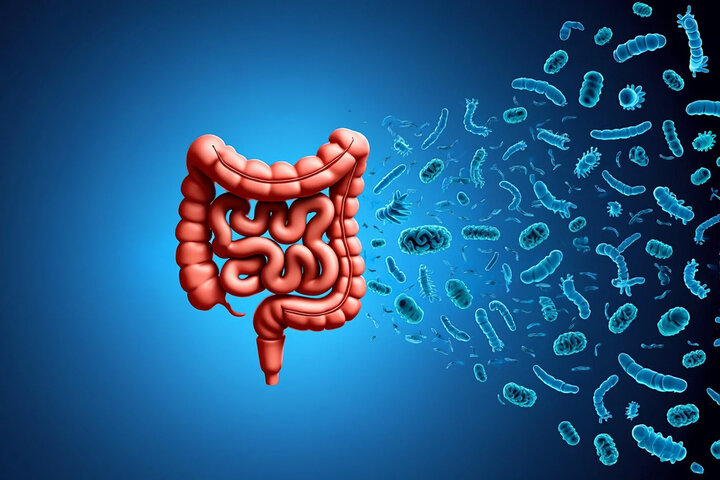 “We also plan to examine some of our most important bile acids and test whether supplementing these compounds alone can help prevent or alleviate the disease,” explained study leader Celeste Allaband. The scientists are particularly interested in those bile acids that are modified by gut bacteria and appear to play an important role in inflammation, metabolic processes, and the development of vascular calcification. If it turns out that certain bile acids possess protective properties, this could lead to new therapeutic approaches in the future that specifically target these biological signaling pathways. In addition, the researchers are focusing on certain gut bacteria that may have beneficial effects on health. “We may also investigate some important microbes and examine whether they can be administered preventively as probiotics. There is still a lot of exciting work ahead,” says Allaband. The idea behind this is that if certain bacteria positively influence the composition of bile acids, they could help mitigate inflammatory processes and reduce the risk of cardiovascular disease.
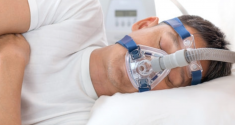
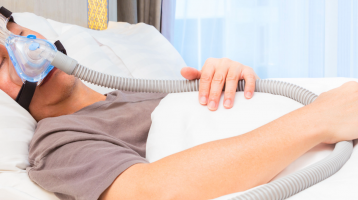
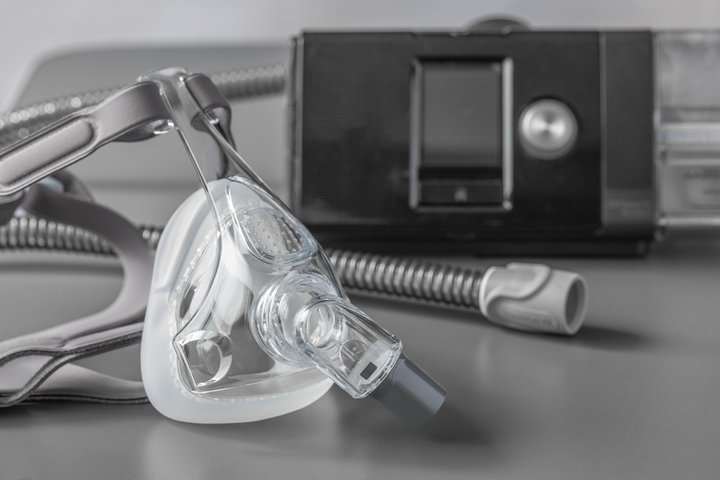
This approach is particularly interesting because current treatments for obstructive sleep apnea primarily aim to prevent breathing pauses. The standard therapy is CPAP treatment, in which air is continuously delivered to the airways via a breathing mask to prevent them from collapsing during sleep. This therapy can significantly reduce symptoms and health risks, but is not well tolerated long-term by all patients. New approaches that additionally target metabolic processes, bile acids, or the gut microbiome could therefore one day serve as a useful complement to existing therapies.
If the current findings can be applied to humans, treatments could be developed in the future that not only control nocturnal breathing pauses but also specifically influence the biological mechanisms that contribute to inflammation, vascular damage, and arterial calcification. This would open up a completely new field of research that combines sleep medicine, cardiovascular research, and microbiome research. The study thus provides initial evidence that the trillions of microorganisms in the gut may play a far greater role in the health of people with sleep apnea than previously assumed
You may also be interested in...
-

Researchers at Yale School of Medicine (YSM) are drawing attention to an important and preventable…
-
Our circadian rhythms and the way we sleep have been shown in several studies to…
-
Obstructive sleep apnea is one of the most dangerous sleeping disorders because it involves the…