
Due to the nature of the job, with its inherent stress and the necessity of shift work, sleep problems among nurses were common occurrences long before COVID-19 hit the scene. Insufficient and poor-quality sleep are both linked to a higher risk of developing depression and anxiety. As the COVID-19 pandemic developed, nurses were working under […]
The Ultimate Sleep Guide: Everything You Need to Know About Sleep

For as long as there have been thinkers among us, there have been questions about the nature and purpose of sleep. Indeed, sleep was a topic tackled by some of the ancient world’s greatest thinkers, including Alcmaeon of Croton, who offered his scientific explanation of sleep between 500 and 450 BCE, and Aristotle, who wrote […]
Getting Enough Sleep Increases Libido, Sexual Desire in Women

Sleep is an important factor in libido, contributing to a healthy sex drive in a number of ways. The importance of sleep to sex drive and reproductive function goes well beyond simply not being too tired to engage in sexual activity. Getting enough good quality sleep increases libido because it impacts the mechanisms of sexual […]
Circadian Rhythm and Diabetes Risk: What is the Connection?

Like all living beings, human physiological processes are influenced by circadian rhythms. The disruption of our internal clocks due to increasingly unbalanced lifestyles is directly linked to the explosive increase in type 2 diabetes cases. By what mechanism? A team from the University of Geneva (UNIGE) and Geneva University Hospitals (HUG) in Switzerland has lifted […]
Late Night Snacking: Bad for Your Brain?
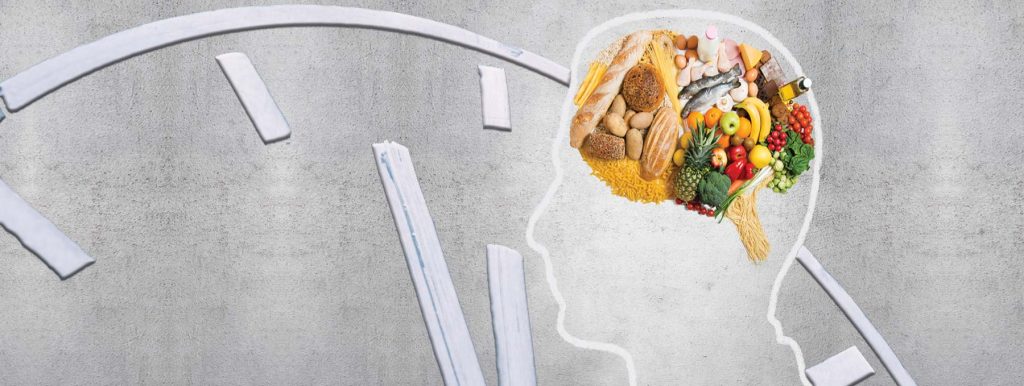
Researchers have found that late night snacking can be bad for your waistline, even contributing to type 2 diabetes. However, the latest research is finding that your late night bowl of ice cream or potato chips can negatively affect your brain as well. A study from UCLA found that learning and memory are both decreased when […]