Nightmares can be one of the most distressing symptoms of post-traumatic stress disorder (PTSD)—a condition that can develop after a person has experienced a disaster, a serious accident, violence, combat, or another severe trauma. While sleeping, people with PTSD often feel as though they are reliving the event in vivid detail. These recurring episodes can lead to severe sleep deprivation and, in some people, trigger a fear of going to sleep.
Available medications often offer only limited relief from trauma-related nightmares. Researchers at Charité – Universitätsmedizin Berlin therefore investigated whether a prescription medication containing THC—one of the active ingredients in cannabis—might help. The results, published in Nature Medicine, showed that more than half of the participants responded to the treatment. More than a third reported that their nightmares had completely disappeared.
Why PTSD Nightmares Are so Difficult to Treat
The effects of a frightening or life-threatening experience can persist long after the immediate danger has passed. In post-traumatic stress disorder (PTSD), the brain has difficulty processing overwhelming events. Memories may be stored in such a way that they recur involuntarily and without conscious control.
 This can happen both during the day and at night. While sleeping, people with PTSD may relive the trauma over and over again until they wake up in a panic. Antidepressants and blood pressure-lowering medications are among the treatments sometimes used, but their effectiveness is limited. Often, they do little to alleviate the nightmares themselves. In Germany, no medication has yet been approved specifically for trauma-related nightmares.
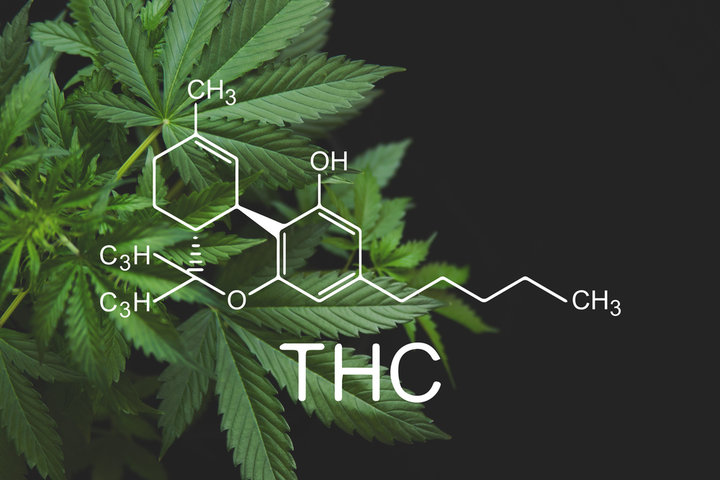
Prof. Stefan Röpke conducts research on trauma-related disorders in the Department of Psychiatry and Neuroscience at the Charité’s Benjamin Franklin Campus. In their search for potential new treatment approaches, he and his team, in collaboration with other research partners, turned their attention to tetrahydrocannabinol, commonly known as THC. It is the most important psychoactive compound in cannabis.
THC acts on the body’s endocannabinoid system, which regulates, among other things, sleep, stress, and the processing of emotional memories. Stefan Röpke explains: “There is evidence that during REM sleep—the intense dreaming phase in which the brain processes experiences and regulates emotions—THC reduces dream activity and thereby alleviates nighttime stress responses.”
Trial with Dronabinol for PTSD Nightmares
Cannabis-based medications are already used in pain management, particularly when standard therapies are not sufficiently effective or cause intolerable side effects. In Germany, access became easier after the so-called “Cannabis Act” went into effect in 2017. The law expanded the medical and scientific use of cannabinoids derived from plants or produced synthetically.
For the study, the researchers used dronabinol, a prescription medication that contains THC derived directly from the cannabis plant and is administered in the form of drops. They wanted to find out whether the medication can safely alleviate nightmares associated with PTSD.
More than 170 people with post-traumatic stress disorder and frequent, severe nightmares participated. For ten weeks, participants received either dronabinol or a cannabis-flavored placebo that looked identical. They took the drops every evening before bedtime.
Neither the participants nor the medical staff knew who was receiving the medication and who was receiving the placebo. This double-blind, placebo-controlled study design is considered the gold standard for testing medical treatments.
Nightmares Decreased More Significantly with THC Treatment
After ten weeks, a clear difference emerged between the two treatment groups. Participants who received dronabinol reported a significantly greater reduction in their trauma-related nightmares than those who took a placebo. On a standardized scale from 0 to 8, the average severity of nightmares decreased by 3.7 points in the dronabinol group, while it decreased by 2.2 points in the placebo group. Although there was an improvement in both groups—an effect frequently observed in clinical trials—the improvement with dronabinol was significantly greater.
 Particularly noteworthy was that more than one-third of the patients treated with dronabinol reported having no trauma-related nightmares at all after completing the ten-week therapy. In addition, another 21 percent reported that the frequency or severity of their nightmares had been reduced by at least half. Overall, more than half of the treated participants thus benefited from the therapy to a clinically significant degree.
In addition to the reduction in nightmares, many participants also rated their general health more positively. About five out of six patients in the dronabinol group felt that their well-being had improved significantly during treatment. This suggests that the reduction in nighttime distress had noticeable effects for many patients during the day as well—for example, through better sleep, less fatigue, and a higher quality of life.
The study authors point out, however, that the positive effect primarily related to nightmares and sleep quality. No equally clear benefit could be demonstrated for other core symptoms of post-traumatic stress disorder, such as distressing daytime memories, avoidance behavior, or persistent hyperarousal. Therefore, the researchers do not currently view dronabinol as a substitute for established psychotherapeutic approaches, but rather as a potential complementary treatment option for patients who continue to experience severe nightmares despite other therapies.
No Severe Side Effects or Signs of Dependence
The study’s results suggest that dronabinol was particularly effective for symptoms related to sleep. In particular, the frequency and severity of trauma-related nightmares decreased, allowing many participants to sleep more peacefully. However, no clear therapeutic effect was observed for other core symptoms of post-traumatic stress disorder—such as distressing daytime memories, avoidance behavior, persistent tension, or accompanying depressive symptoms. The authors therefore emphasize that dronabinol does not replace established PTSD treatment but could potentially serve as a useful adjunct for patients with particularly distressing nightmares.
The results were also generally positive with regard to safety. During the ten-week treatment phase, no serious side effects were observed that would have required discontinuation of the study. Most adverse effects were mild to moderate and consistent with the known side effect profile of THC. The most commonly reported symptoms among participants were dizziness, headaches, dry mouth, fatigue, and increased appetite. These symptoms occurred more frequently in the dronabinol group than in the placebo group, but were generally temporary and easily managed.
Another important aspect was the question of potential dependence. Since THC is the primary psychoactive compound in cannabis, there is frequent debate about whether medical use could increase the risk of dependence. In the study, however, the researchers found no evidence of withdrawal symptoms after participants stopped taking dronabinol in the evening following ten weeks of treatment. Nor were any signs of misuse or progressive dose escalation observed during the study period.
The authors note, however, that these results apply exclusively to the treatment duration examined. It cannot be concluded from the study that dronabinol has no potential for dependence or abuse in general. To better assess the safety of long-term treatment, further studies with longer observation periods are necessary. Until then, dronabinol should be used exclusively under medical supervision and only after a careful risk-benefit assessment.
You may also be interested in...
-

PTSD is a challenge to modern medicine, leaving many to suffer with debilitating symptoms. New…
-
悪夢は、心的外傷後ストレス障害(PTSD)の最も苦痛を伴う症状の一つとなり得ます。PTSDとは、災害、重大な事故、暴力、戦闘、あるいはその他の深刻なトラウマを経験した後に発症する可能性がある疾患です。PTSDを抱える人は、睡眠中にその出来事を鮮明な細部まで再現しているかのように感じることもよくあります。 こうした繰り返される悪夢は、深刻な睡眠不足を招くほか、人によっては眠りにつくことへの恐怖を引き起こすこともあります。 現在利用可能な薬物療法では、トラウマに関連する悪夢に対する緩和効果は限定的であることが多くあります。 そこで、ベルリン・シャリテ大学病院(Charité – Universitätsmedizin Berlin)の研究者たちは、大麻の有効成分の一つであるTHCを含む処方薬が有効かどうかを調査しました。『Nature Medicine』誌に掲載された結果によると、参加者の半数以上がこの治療に反応を示しました。3分の1以上が、悪夢が完全に消えたと報告しています。 PTSDに伴う悪夢の治療がなぜこれほど難しいのか 恐ろしい体験や生命を脅かす体験の影響は、差し迫った危険が去った後も長く続くことがあります。心的外傷後ストレス障害(PTSD)では、脳が圧倒的な出来事を処理するのに困難をきたします。記憶は、意識的な制御なしに、不随意に繰り返し蘇るような形で脳に保存されてしまうことがあります。 これは昼間にも夜間にも起こり得る。睡眠中、PTSDの患者はパニック状態で目覚めるまで、トラウマを何度も繰り返し体験することがある。 抗うつ薬や降圧薬などが治療法として用いられることもありますが、その効果は限定的です。多くの場合、悪夢そのものを和らげる効果はほとんどありません。ドイツでは、トラウマに関連する悪夢に対して特に承認された薬はまだありません。 シュテファン・レプケ教授は、シャリテ大学病院のベンジャミン・フランクリン・キャンパスにある精神医学・神経科学部門で、トラウマ関連障害に関する研究を行っている。 新たな治療法の可能性を探る中で、同教授と研究チームは他の研究パートナーと協力し、一般にTHCとして知られるテトラヒドロカンナビノールに注目した。これは大麻に含まれる最も重要な精神活性成分である。 THCは、睡眠やストレス、感情的な記憶の処理などを調節する、体内にあるエンドカンナビノイド系に作用する。…