A large, long-term study involving more than 87,000 adults provides surprising insights into the link between daylight and brain health. People who were exposed to more bright light during the day were less likely to develop dementia during the observation period. Particularly striking: even less than 42 minutes of bright daylight per day was associated with an increased risk of developing the disease. The findings bring a previously overlooked factor in brain health into focus: daily light exposure.
An Underestimated Factor Influencing Our Brain Health
Daylight is far more than just a natural source of light for the human body. It influences numerous biological processes that are important for our health. These include the sleep-wake cycle, the body’s internal clock, hormone regulation, and various functions of the nervous system. Nevertheless, many people spend a significant portion of their daily lives indoors. Offices, homes, shopping centers, and public transportation shape the daily routine. Even when it’s light outside, only a fraction of the natural light intensity often reaches indoor spaces. The potential long-term consequences of such a lifestyle for the brain are the subject of increasing scientific research.
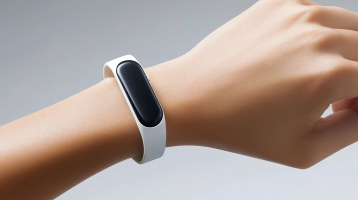
 A study published in the journal General Psychiatry provides remarkable insights into this topic. An international research team investigated the link between an individual’s exposure to light during the day and night and the subsequent onset of dementia. The result: People with higher exposure to daylight had a lower risk of dementia than those who received comparatively little light during the day. It is particularly interesting that the researchers were able to examine this link using objective measurements. Participants did not simply have to self-report their light exposure habits. Instead, wearable monitoring devices were used.
More than 87,000 People Observed Over Several Years
For the study, the scientists analyzed data from 87,577 adults from the UK Biobank. At the start of the study, participants were 62.36 years old on average. About 57 percent were women. The researchers wanted to find out whether the amount of daylight people are exposed to is linked to their later risk of dementia. To this end, participants were given a wrist-worn monitoring device. This device could track both physical activity and ambient light levels. Measurements were taken over a period of seven days. The data was then linked to medical information from primary care practices, hospital stays, and death records.
The subsequent follow-up period spanned a median of 8.1 years. During this time, 741 of the study participants developed dementia. This allowed the scientists to investigate whether certain light exposure patterns could be identified even before a later diagnosis. It is important to note that the light measurement itself lasted only one week. It therefore did not reflect a person’s entire light exposure history over eight years. Nevertheless, using the collected data, the researchers were able to establish a statistical association between the measured light conditions and the subsequent risk of developing the disease.
Why 42 Minutes of Bright Daylight Deserve Attention
One finding regarding the duration of daily exposure to bright light received particular attention. Among other things, the researchers examined how long participants were exposed daily to light intensities of at least 5,000 lux. Their findings showed that daily exposure of at least 42 minutes was associated with a lower risk of dementia than shorter exposure. The 42-minute figure is derived from the threshold of 0.70 hours used in the study.
The scientists also found a correlation with average daily light levels: individuals whose average daily light exposure exceeded 1,000 lux had a relative risk of dementia that was approximately 16 percent lower than that of participants with lower average light levels. A reduction in risk was also observed among people who were exposed to a light level of at least 5,000 lux for at least 42 minutes daily. The statistical analysis yielded a value of about 17 percent in this case. These figures are noteworthy but must be interpreted correctly. They represent relative statistical differences between groups and do not guarantee that a specific daily duration of light exposure protects against dementia. Nor does the study prove that every person needs exactly 42 minutes of daylight to reduce their personal risk of developing the disease. Rather, the results suggest that daily exposure to light could be a factor that has been underestimated until now.
What Do 1,000 or 5,000 Lux Actually Mean?
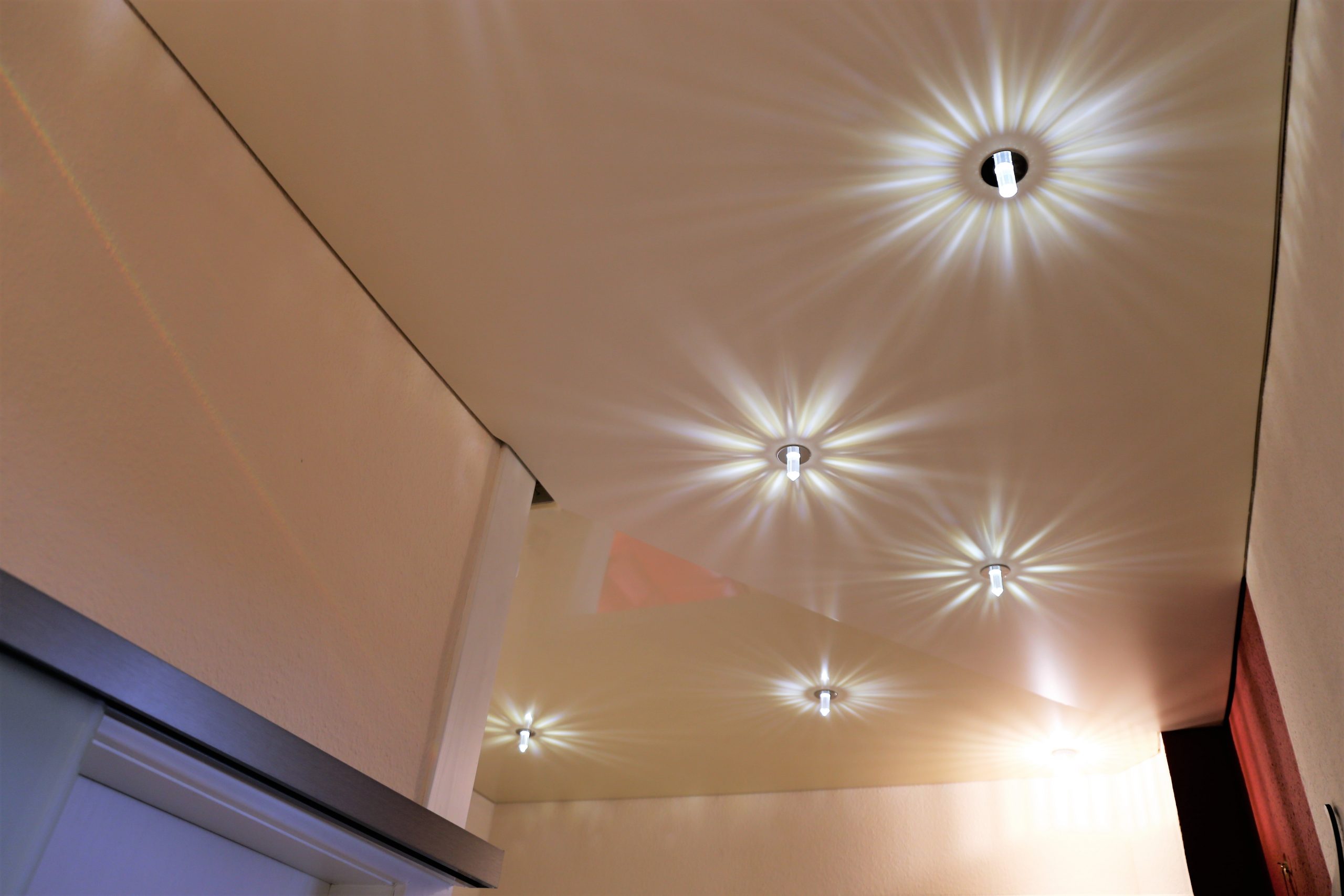
To better understand the results, it’s worth taking a look at the unit of measurement “lux.” Lux describes the illuminance that strikes a surface. The higher the value, the brighter the environment. The differences between indoor and outdoor areas can be significant. A typical indoor space with artificial lighting often reaches only about 300 to 500 lux. A bright outdoor area, on the other hand, can have several thousand lux. Even on cloudy days, natural brightness outdoors can be significantly higher than the lighting in many indoor spaces.
 For reference:
- 100 to 300 lux: relatively dimly lit indoor spaces.
- 300 to 500 lux: typical artificially lit work and living areas.
- Over 1,000 lux: significantly brighter environments.
- 5,000 lux and above: bright outdoor daylight conditions are often sufficient to reach such levels.
- Significantly higher levels can occur in direct sunlight.
The specific measured values depend, among other things, on the weather, season, time of day, location, and surroundings. Therefore, it is not just a matter of whether a person goes outside; the actual brightness also plays a role. A brief stay outdoors on a bright day can provide a significantly higher amount of light than several hours in an artificially lit room.
The Body’s Internal Clock: Why Daylight Is So Important for the Brain
One possible explanation for the results lies in what is known as the circadian rhythm. This refers to the body’s biological rhythms, which roughly span a 24-hour period. The body’s internal clock influences numerous physiological processes. These include:
- the sleep-wake cycle,
- body temperature,
- the release of various hormones,
- metabolism,
- physical performance,
- attention, and concentration.
Light plays a central role in this process. Specialized light-sensitive cells in the retina detect brightness information and transmit it to specific areas of the brain. The suprachiasmatic nucleus in the hypothalamus is particularly important in this regard. It is considered the central control center of the body’s internal clock. Through these connections, daylight can signal to the body which phase of the day is currently underway.
Bright light during the day helps synchronize biological processes. Darkness in the evening and at night, on the other hand, allows the body to prepare for rest. If this natural cycle is regularly disrupted, the body’s internal clock may shift or lose its temporal stability.
This affects more than just sleep. Various metabolic and regulatory processes can also be influenced by it. Researchers therefore suspect that sufficient exposure to daylight may help keep biological rhythms more stable. This, in turn, could be relevant to long-term brain health.
Sleep and Dementia: A Possible Link
Sleep is an indispensable part of the brain’s daily regeneration. During sleep, numerous processes take place that are associated with, among other things, information processing, memory consolidation, and the regulation of neural activity. Chronic sleep disorders have been studied for years in connection with various health problems. According to some studies, changes in sleep patterns also play an important role in dementia.
 People with a disrupted circadian rhythm may have difficulty falling asleep in the evening, staying asleep through the night, or remaining awake and alert during the day. Such changes can be particularly pronounced in older adults. Adequate exposure to daylight could help improve the timing of activity and rest. Melatonin regulation is also significant in this context. Melatonin is a hormone whose release is significantly influenced by the light-dark cycle and which signals to the body that it is nighttime.
The study authors suggest that better synchronization of the internal clock may be part of the explanation for the observed association between daylight and dementia risk. However, it cannot be concluded from this study that more daylight automatically leads to better sleep or that improved sleep alone reduces the risk of dementia accordingly.
What Changes in the Brain Might Play a Role?
It is particularly interesting that the scientists did not limit their investigation to light conditions and the occurrence of dementia. They also analyzed possible associations with specific brain structures. Among other things, they took into account data on various brain regions and activity rhythms. One region stood out in particular: the so-called fusiform cortex. This area is located in the temporal and occipital lobes and is involved, among other things, in processing complex visual information. This includes, for example, the recognition of faces and certain visual patterns.
Statistical mediation analyses revealed that changes in the surface area of this brain region could statistically explain part of the association between higher daily light exposure and a lower risk of dementia. The calculated proportion was approximately 9.2 percent.
Possible associations were also identified for other brain regions. However, not all results remained significant after an additional statistical correction for multiple comparisons. Therefore, these findings should be interpreted with caution. They provide interesting clues about possible biological mechanisms but do not prove that daylight directly protects certain brain structures from degeneration.
It’s Not Just the Amount of Light, But Also the Rhythm of Activity
Another component of the study was the so-called circadian rest-activity rhythms. These are recurring patterns that describe when a person is particularly active and when they are predominantly at rest. A stable rhythm, for example, is characterized by people being regularly active during the day and sleeping predominantly at night. If this temporal structure fluctuates significantly, it may indicate a disrupted internal clock.
The researchers investigated whether such activity patterns could explain part of the association between light and dementia. In the exploratory analyses, they found evidence suggesting that certain characteristics of the rest-activity rhythms are statistically plausible mediators. Depending on the characteristic examined, the calculated proportions ranged in some cases up to approximately 33 percent. However, some of these results lost their statistical significance after correction for multiple tests. The findings should therefore be understood primarily as starting points for further research. Nevertheless, they underscore that light, activity, and sleep should not be considered in isolation. Rather, they form a closely interconnected biological system.
Particularly Notable Results in Certain Population Groups
The study yielded another observation. The statistical association between higher daytime light exposure and a lower risk of dementia was more pronounced in certain population groups. These included people with a pronounced evening chronotype, individuals with higher nighttime light exposure, and carriers of the APOE-ε4 genetic variant. The evening chronotype describes people whose natural activity rhythm is oriented toward later times of the day. They often get tired later and have a harder time getting going in the morning. In the data analyzed, a particularly clear association between more daylight and a lower risk of dementia was observed in these individuals.
This association was also more pronounced among carriers of the APOE-ε4 variant. APOE-ε4 is a genetic variant considered a major risk factor for Alzheimer’s disease. However, the presence of this variant does not mean that a person will inevitably develop Alzheimer’s. The results may suggest that daylight plays an important role, particularly for certain at-risk groups. However, the study does not yet allow for specific recommendations for genetically predisposed individuals. Further studies are needed for this.
Daylight Compared to Other Dementia Risk Factors
The researchers also compared the significance of various factors in statistically predicting the risk of dementia.
 These included, among others:
- Obesity
- Alcohol consumption
- Hearing loss
- Traumatic brain injuries
- Physical activity
- Level of education
- Other health and social factors
The results showed that a short duration of exposure to bright daylight had remarkable significance in the statistical prediction models used. Some of the light parameters examined achieved a higher predictive significance than several established risk factors. However, this does not mean that lack of light is fundamentally more dangerous than obesity, alcohol consumption, or other known risk factors. The researchers used a statistical machine learning method to compare the relative importance of the various variables for prediction.
Such a ranking describes the performance of a predictive model. It should not be equated with a medical assessment of the actual cause or severity of a risk factor. Nevertheless, the observation is scientifically interesting: A comparatively common environmental factor could play a greater role in assessing the risk of dementia than previously assumed.
Why Nighttime Light Did Not Play a Comparable Role in this Study
In addition to daylight, the scientists also examined light exposure during the night. They found no statistically significant association between nighttime light exposure and the onset of dementia. This does not mean that nighttime light is inherently harmless. Previous studies have already shown that artificial light in the evening and at night can influence the sleep-wake cycle. However, the current study was unable to demonstrate an independent, statistically significant association between the measured nighttime light exposure and the risk of dementia.
It is noteworthy that daytime light exposure was actually particularly strongly associated with a lower risk of dementia among people with higher levels of nighttime light exposure. The authors discuss possible adaptive mechanisms of the circadian system as an explanation. However, exactly how these interactions work remains unclear.
What Can We Take Away from this for Everyday Life?
Even small changes can help bring more daylight into your daily routine:

- Go outside in the morning: A short walk in daylight supports your internal clock.
- Get outside regularly: Even a walk during your lunch break can increase your daily light exposure.
- Make use of daylight: Create bright living and workspaces with as much natural light as possible.
- Combine it with exercise: Walking, biking, or gardening combine daylight with physical activity.
- Pay attention to your sleep rhythm: Regular bedtimes support the natural day-night rhythm.
The 42 minutes mentioned in the study are not a medically prescribed minimum. What’s important is regular exposure to daylight—without neglecting adequate sun protection.
What are the Study’s Limitations?
As interesting as the results are, the study’s limitations must also be taken into account. First, this is an observational study. The researchers found that higher exposure to daylight was associated with a lower risk of dementia. However, they could not prove that daylight itself was the cause of the difference. For example, it is possible that people with greater exposure to daylight also have other health-promoting lifestyle habits. They might be more physically active, socialize more frequently, or have a different lifestyle overall.
Although the scientists accounted for numerous potential confounding factors in their statistical models, the influence of factors not yet identified cannot be completely ruled out. Another limitation concerns the duration of the measurements. The light measurements were taken over only seven days. It is not certain whether this week actually reflected the participants’ long-term light exposure patterns. In addition, the devices were worn on the wrist. Thus, they did not directly measure the amount of light that actually reached the eyes. This factor is particularly important for the non-visual effects of light on the body’s internal clock.
The composition of the study group must also be taken into account. Participants in the UK Biobank are, on average, healthier and less socially disadvantaged than the general population. Finally, the light measurements were taken between 2014 and 2018. The widespread use of LED lighting and digital devices today has changed the light exposure patterns of many people. The results must therefore also be verified in more recent and more diverse population groups.
What Research Needs to Clarify Next
The findings raise several interesting research questions. A key question is whether a targeted increase in daylight exposure can actually lead to a reduction in the risk of dementia. This would require intervention studies in which people are deliberately exposed to different lighting conditions over an extended period. The optimal duration and intensity of light exposure must also be investigated more closely.
Furthermore, it would be important to determine whether certain groups of people might benefit particularly strongly. Possible candidates include, for example, people with a pronounced evening chronotype, older adults, or individuals with genetic risk factors. Another important area of research concerns the connection between light, sleep, and brain structures. If it is confirmed that better synchronization of biological rhythms contributes to brain health in the long term, the targeted improvement of daylight exposure could also play a greater role in preventive strategies in the future.
Conclusion: A simple Environmental Factor Takes Center Stage in Dementia Research
The study, which involved more than 87,000 adults, provides remarkable evidence that daily exposure to daylight may be linked to long-term brain health. Particularly striking is the observation that people with higher average daily exposure to daylight had a lower risk of dementia. Longer daily exposure to bright light was also associated with more favorable outcomes. The potential links to the body’s internal clock, sleep-wake cycles, and certain brain structures make the findings even more interesting.
Nevertheless, it would be premature to already describe daylight as a proven measure for dementia prevention. The study shows a statistical association, not a confirmed causal effect. A practical implication can nevertheless be drawn: It is worthwhile not to spend one’s daily life exclusively indoors. Regular time spent outdoors, sufficient daylight, and a stable sleep-wake cycle are important components of a health-conscious lifestyle. It is possible that one of the most obvious environmental factors in our lives represents a previously underestimated starting point for future dementia research.
You may also be interested in...
-

Our circadian rhythm is one of the most important drivers of our physical and mental…
-
Scientists have long known that shift work increases a person's chance of breast cancer. However,…
-
While we know that diet and exercise are the primary factors in determining one's risk…