Our internal clock controls far more than just our sleep. It influences numerous biological processes that change throughout the day. A new study from October 2026 shows that the daily rhythms of light exposure and wrist temperature are also linked to markers of metabolic health. A particularly intriguing question is whether wearable sensors will help us better understand our biological clock in everyday life.
Why Light is So Important for Our Internal Clock
Why do we feel particularly energetic at certain times of day, while at other times we become tired or have difficulty concentrating? Part of this variation is related to our internal clock. It helps the body synchronize its functions with the natural cycle of day and night. It’s not just a matter of when we go to sleep and wake up. Light, body temperature, hormones, and metabolic processes also follow temporal patterns. Researchers are increasingly investigating how closely these rhythms are interconnected and whether changes over the course of the day can provide clues to health risks.
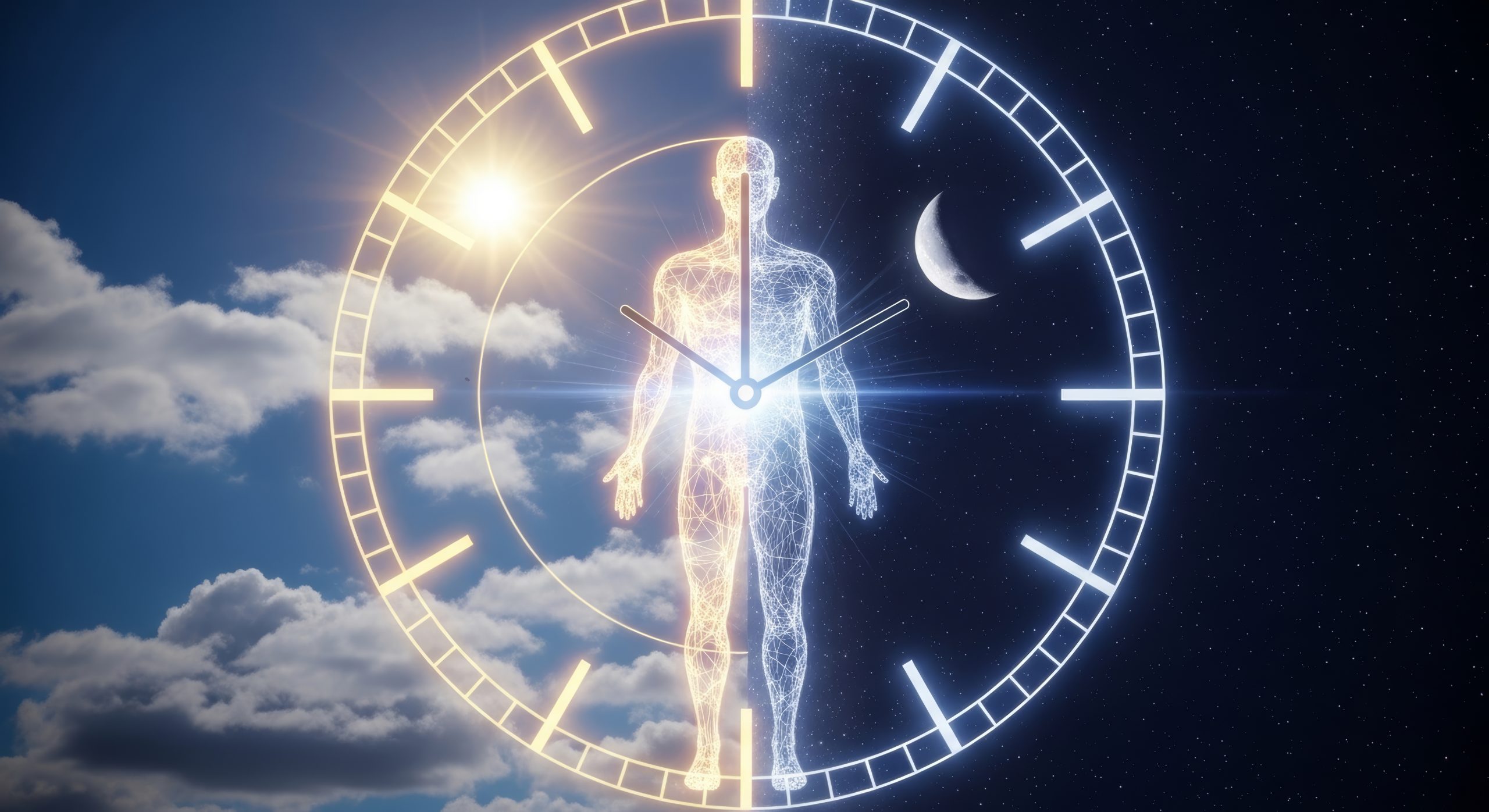 A study published in the journal International Journal of Obesity focused precisely on this connection. The researchers examined 809 adults to see how light exposure and wrist temperature change throughout the day and how these patterns correlate with various metabolic markers. Of particular interest: Wrist temperature can be measured continuously, providing an unusual insight into the body’s biological rhythms.
Light is the most important external timer for our internal clock. Specialized light-sensitive cells in the retina transmit information about the brightness of the environment to a central control center in the brain: the suprachiasmatic nucleus in the hypothalamus. This central clock helps synchronize the sleep-wake cycle and numerous other bodily functions with the course of the day. These include the release of certain hormones, the regulation of body temperature, and the timing of metabolic processes. It is not just the total amount of light we receive that matters; the timing of light exposure also plays a role. Bright light in the morning can help set the internal clock to an earlier daily rhythm. Bright light late in the evening, on the other hand, can suppress the release of the sleep hormone melatonin and delay the biological onset of sleep.
Our modern daily lives often make this natural synchronization difficult. Many people spend most of the day indoors, where lighting is usually much dimmer than outdoors. At the same time, they are exposed to artificial light in the evening, such as from ceiling lights, televisions, or smartphones. This can alter the balance between the light environment during the day and at night. Chronobiological research is therefore increasingly investigating whether not only the amount of light but also the regularity of daily light patterns is relevant to health.
Wrist Temperature: An Underestimated Indicator of Our Internal Clock
At first glance, wrist temperature is an unusual measurement. After all, we usually measure our body temperature in the ear, mouth, or under the armpit. Chronobiological studies, however, focus on a different question: How does temperature change over the course of the day and night? Our body temperature does not remain constant. It follows a natural circadian rhythm, which is influenced, among other things, by our internal clock. In general, core body temperature reaches its lowest point during the biological night and rises again as the day progresses.
Skin temperature may behave differently than the temperature inside the body. This is due, in part, to blood flow to the skin. When the small blood vessels in the hands and other peripheral regions of the body dilate, more warm blood can reach the skin’s surface. This causes the skin temperature to rise, while at the same time allowing the body to release heat into the environment. This mechanism also plays a role in falling asleep. During the evening biological phase, blood flow to the hands and feet often increases. The resulting easier release of heat can help lower core body temperature—a process associated with preparing for sleep.
The temperature at the wrist can partially reflect such changes. However, it is not a direct reflection of core body temperature. Room temperature, clothing, physical activity, and blood flow also influence the measured value. For chronobiology, therefore, it is not necessarily a single temperature measurement that is decisive, but rather the pattern over a longer period of time. How does the temperature change throughout the day? When does it begin to rise or fall? Do similar fluctuations recur on consecutive days? And how much do temperature trends differ between various phases of the day? Such information can help us better understand the temporal organization of physiological processes.
What Can Wrist-Worn Wearables Actually Measure?
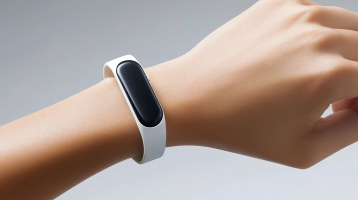
Modern wearable devices can track temperature trends at the wrist over many hours. Unlike a single measurement, this provides a time series that can reveal changes during sleep and while awake. Some smartwatches and sleep trackers already record temperature data or nighttime temperature fluctuations. However, depending on the device, the sensors, measurement conditions, and the way the data is analyzed vary. Often, these represent changes relative to a personal baseline rather than a precise measurement of absolute body temperature.
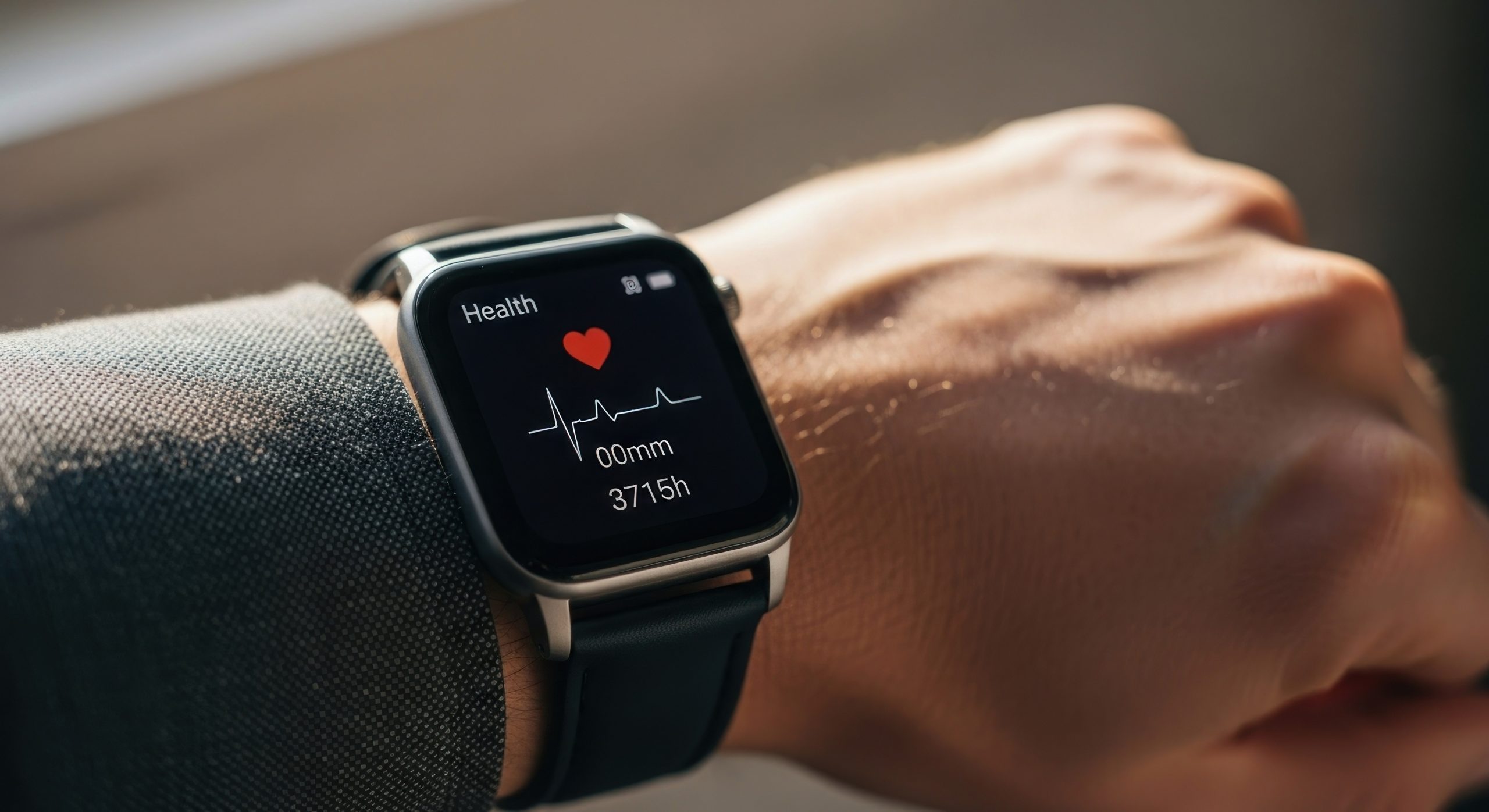 This continuous data collection is particularly interesting for research. A single measurement reveals little about how a biological process develops over a 24-hour period. Repeated measurements, on the other hand, can show whether certain rhythms occur regularly or vary from day to day. It is important to distinguish between two things: A wearable device can record temperature patterns. Whether these patterns reliably reflect the body’s internal clock and what medical significance they have, however, must be investigated separately.
An unusual temperature trend is therefore not automatically an indication of a disrupted internal clock or a medical condition. Only when measurements are combined with additional information—such as sleep times, light exposure, and other physiological data—can a more comprehensive picture be obtained.
New Study: What Light and Wrist Temperature Have to Do with Metabolism
The study, published in October 2026, analyzed light exposure and wrist temperature in 809 adults over seven days during their normal daily routines. In addition, various health parameters were recorded, including body weight, body fat percentage, blood lipids, and markers of glucose metabolism. The analysis revealed associations between certain characteristics of daily rhythms and metabolic health. More pronounced or regular light patterns were associated, among other things, with more favorable triglyceride levels. In women, more stable temperature rhythms were also linked to a lower body mass index, a lower body fat percentage, and more favorable levels of certain metabolic markers.
Triglycerides are fats transported in the blood that serve, among other things, as energy stores for the body. Elevated levels, when combined with other risk factors, may indicate an increased risk of cardiovascular disease. Markers of glucose metabolism, in turn, provide insight into how the body processes glucose and how blood sugar regulation functions. The results are interesting because they link various biological rhythms: the light environment, which changes throughout the day, and temperature patterns, which partly reflect the temporal regulation of physiological processes.
However, they do not imply that a higher wrist temperature is inherently healthier or that a specific temperature profile protects against obesity. What is crucial are the temporal patterns examined and their statistical correlations with the health markers measured. Furthermore, this was an observational study. It can show that certain characteristics occur together, but it cannot prove that irregular light or temperature rhythms are the cause of metabolic problems. Other lifestyle and health factors could also influence the results.
Why the connection Between the Body Clock and Metabolism is Fascinating
Our metabolism does not function identically at every time of day. The processing of food, the regulation of blood sugar, and the effects of certain hormones are subject to temporal influences. The body’s internal clock helps ensure that various organs coordinate their activities. If the sleep-wake cycle is consistently out of sync with the natural day-night cycle, this can affect the timing of various bodily processes. This connection is being studied in particular in the context of shift work, frequently changing sleep schedules, and repeated disruption of the day-night rhythm.
Wrist temperature could serve as an additional source of information in this context. It does not directly indicate how well the metabolism is functioning. However, its daily variation could provide clues about changes in the temporal organization of physiological processes. A possible future approach would be to analyze multiple data sources together: light measurements, temperature profiles, physical activity, sleep times, and, if applicable, other biological markers. This would make it possible to investigate whether certain individual rhythms are associated with an increased or decreased health risk. However, further studies are needed before such methods can be implemented in medical practice. In particular, it must be clarified which metrics are particularly meaningful, how reliably they can be measured under everyday conditions, and whether changes in these rhythms actually lead to health improvements.
What Does this Mean for Everyday Life?
No specific treatment can be derived from the current study. Nevertheless, its findings align with established knowledge about the importance of a regular day-night rhythm. Those who wish to support their own internal clock can adopt a few basic habits:

- Take advantage of daylight in the morning: Spending time outdoors helps send a clear signal to the internal clock that the day has begun.
- Get enough light during the day: Especially if you spend most of your time working indoors, it can be helpful to go outside regularly.
- Reduce lighting in the evening: A darker environment in the hours before bedtime supports the natural transition to nighttime rest.
- Keep sleep times as consistent as possible: Regular bedtimes and wake-up times can help stabilize the sleep-wake rhythm.
- Interpreting temperature data correctly: Changes recorded by a smartwatch should not be interpreted in isolation as a medical diagnosis or as evidence of a disrupted internal clock.
Not everyone has the same chronotype. Work schedules, family obligations, age, and individual sleep needs also influence daily life. The goal, therefore, is not to impose a rigid daily schedule on everyone, but rather to harmonize biological needs with personal circumstances as effectively as possible.
The Wrist as a Window into Biological Time?
Wrist temperature is far more than a single number on a display. Changes in wrist temperature can reflect alterations in skin blood flow and other physiological processes, some of which are related to the circadian rhythm. In combination with light measurements, it offers chronobiology an interesting opportunity to study biological rhythms in everyday life more closely.
The current study from October 2026 shows correlations between daily light and temperature patterns and various metabolic markers. It thus provides a starting point for further research, but does not yet prove that targeted changes to these patterns reduce metabolic risk. In the future, continuous measurements could help better describe individual rhythms and provide a more precise understanding of the connections between biological time and health. Until then, wrist temperature remains a promising research marker, but not yet a standalone health test.
You may also be interested in...
-

-
Do you get sleepy when you are cold? Researchers have discovered new insights about how…
-
Are you exposed to even small amounts of light throughout the night? If so, this…