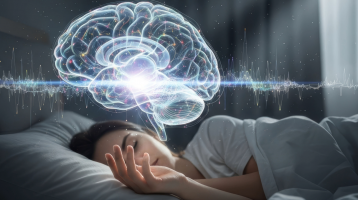
While we sleep, our brain works at full speed. It processes information, regulates important bodily functions, and helps remove metabolic waste. A new study by the Massachusetts Institute of Technology (MIT) now shows that targeted sound pulses can enhance certain fluid movements in the brain. This is an exciting discovery for sleep research and chronobiology.
Can Sounds Influence Brain Activity?
When we sleep at night, we are largely unaware of the processes taking place in our own brains. Yet it is precisely during this time that important biological processes occur. The cerebrospinal fluid, also known as CSF, plays a special role. It surrounds the brain and spinal cord, protects the sensitive nervous tissue, and aids in the transport of metabolic byproducts. During certain sleep phases, the movements of this fluid change. They are closely linked to the slow electrical brain waves that occur particularly during deep sleep. Scientists suspect that these rhythmic movements play an important role in the removal of metabolic waste products.
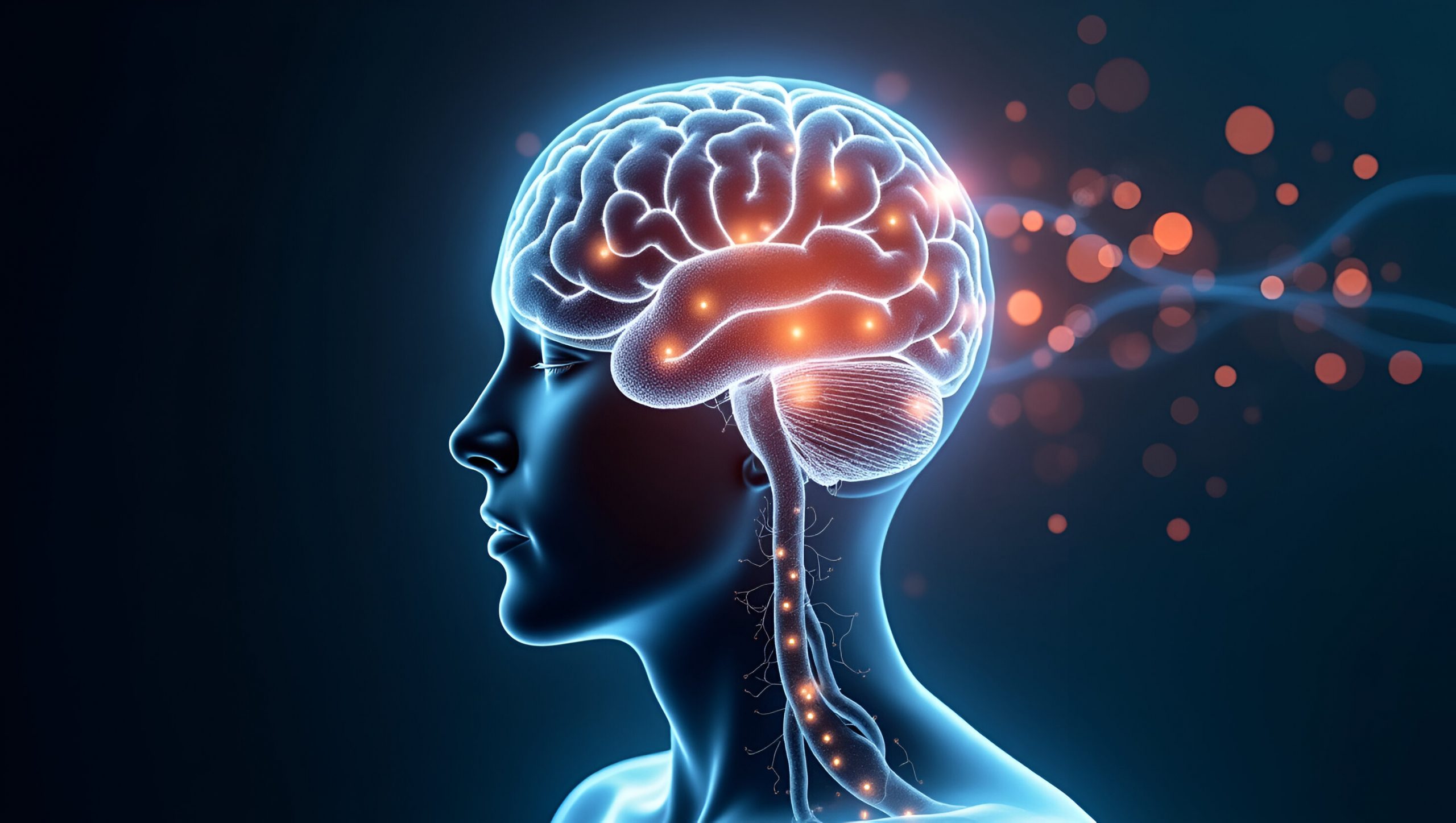 A research team at the Massachusetts Institute of Technology (MIT) has now investigated whether these natural processes can be influenced by acoustic stimuli. Fourteen healthy adults participated in the study. While they slept, the scientists played short, specifically tuned sound pulses. These were what is known as “pink noise.” This steady noise resembles, for example, the sound of rain or a waterfall.
What made this study unique was that the sounds were not simply played throughout the entire night. Using an electroencephalogram (EEG), the researchers monitored brain activity and triggered the short sound pulses precisely when the slow brain waves reached a specific peak. In addition, they used functional magnetic resonance imaging (fMRI) to examine how the cerebrospinal fluid moved. The result was remarkable: The targeted sound pulses amplified both the slow electrical brain waves and the associated fluid movements.
What Happens During the Brain’s Nightly Cleansing Process?
The findings provide new insights into how closely sleep phases, brain activity, and fluid movements are interconnected. Previous research had already shown that sleep is associated with changes in fluid transport within the brain. These processes are often described in connection with the so-called glymphatic system, which supports fluid exchange and the removal of certain metabolic byproducts from the brain.
The current MIT study goes a step further: It shows that these fluid waves can be influenced by specifically tailored acoustic stimuli. However, caution is advised when interpreting the findings. While the researchers were able to detect stronger fluid movements, they have not yet proven that this actually results in the removal of more waste products. Nor was an improvement in sleep quality demonstrated.
What Significance Does this Discovery Have for Chronobiology?
Chronobiology deals with the temporal patterns of biological processes. The sleep-wake cycle is one of its most important areas of research. The MIT study illustrates that sleep is far more than just a rest period. During the night, different sleep stages alternate, each involving distinct biological processes.
Deep sleep, in particular, appears to be important for certain regenerative processes in the brain. These new findings could help us better understand these processes in the future and possibly lead to the development of new approaches in sleep research.
The scientists now want to investigate whether the method can also be used in people with sleep disorders and whether it could have long-term effects on the removal of metabolic byproducts. Possible links to neurodegenerative diseases such as Alzheimer’s are also the subject of further research questions. However, a preventive effect has not yet been proven.
Good Sleep Remains the Most Important Foundation
The research shows once again just how much happens in the brain during a single night. A regular sleep-wake cycle, sufficient sleep, and a sleep environment that is as quiet as possible create important conditions for the body’s natural regenerative processes.
Further studies are needed to determine whether targeted sound stimuli can support these processes in the future. However, the MIT team’s discovery offers an interesting new perspective on the nighttime workings of our brain. For while we sleep, our brain is by no means idle—it uses this time for important processes that we have so far only partially understood.
You may also be interested in...
-

Do you have trouble sleeping? Do you have a poor memory? New research on memory…
-
Managing pain is one of the greatest challenges to modern medicine. Although opioids and similar…