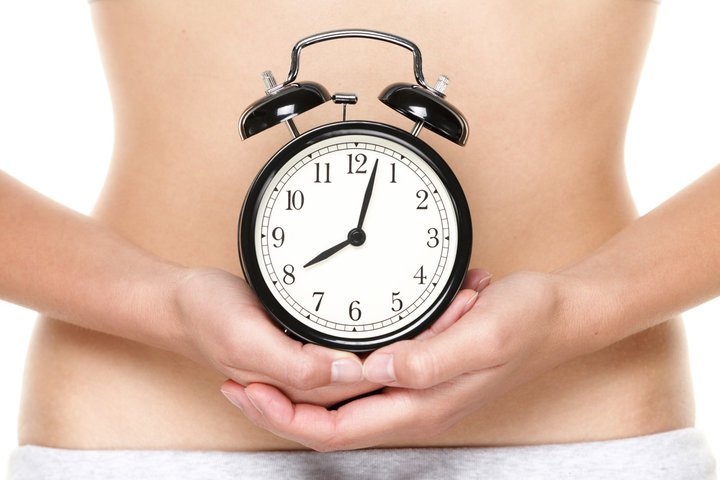
The circadian rhythm is a biological cycle lasting approximately 24 hours that synchronizes sleep, hormones, metabolism, and nearly all bodily functions. While many people associate the “internal clock” primarily with the brain, the stomach also plays a central role in this timing mechanism. In fact, there is a bidirectional connection: the circadian rhythm influences stomach function—and the stomach, in turn, can help control the body’s clock.
The Circadian Master Clock in the Brain

The master clock is located in the suprachiasmatic nucleus (SCN) in the hypothalamus. This clock:
- receives light signals directly from the retina
- synchronizes daily rhythms such as body temperature, hormone release, and sleep-wake behavior
- sends time information to peripheral organs via nerve and hormone signals
But the SCN is not the only clock.
The Stomach as a “Peripheral Clock”
Almost all organs have local circadian clocks, including:
- Stomach
- Intestines
- Liver
- Pancreas
These clocks are controlled by clock genes (e.g., BMAL1, CLOCK, PER, and CRY).
In the stomach, these genes control rhythms in:
- Stomach acid production
- Gastrin secretion
- Stomach movement (motility)
- Emptying rate
- Blood flow
- Protective mechanisms of the mucous membrane
The stomach does not work at a constant rate—its activity follows a daily profile, similar to heartbeat or blood pressure.
How the Circadian Rhythm Influences Stomach Function
Stomach Acid Production
The production of hydrochloric acid in the stomach shows a clear circadian rhythm: it is higher at night and lower during the day. This explains why eating at night more often leads to heartburn and why ulcer pain can be worse at night. Acid production is controlled by SCN signals, the vagus nerve, and local clock genes.
Stomach Motility (movements of the stomach)
The motility of the stomach also depends on the time of day: during the day, emptying is accelerated and there is more muscle activity; at night, the process is reduced and the stomach works more slowly. This is one of the reasons why food consumed late in the evening remains in the stomach longer, is digested less efficiently, and can lead to more reflux.
Hunger and Satiety Signals
The stomach secretes hormones that are linked to the circadian rhythm:
Ghrelin (“hunger hormone”)
- is produced in the stomach
- increases before regular meals
- has its own circadian rhythm
- also influences sleep quality and memory
Leptin (satiety hormone, mainly adipose tissue)
- is indirectly linked to the stomach via digestive signals
- also follows a daily rhythm
These hormones link digestion and daily rhythms.
How the Stomach Influences the Internal Clock
The stomach is not a passive receiver of circadian signals—it sends information back to the body itself. While light is the strongest time cue for the SCN, meals are the strongest time cue for peripheral clocks. Regular meal times stabilize the rhythm of the stomach, intestines, liver, and pancreas, blood sugar, and hormone balance. Irregular or late meals—especially between 10 p.m. and 2 a.m.—can throw internal clocks out of sync. The effect: internal desynchronization. Eating at night creates a conflict: the SCN tells the body “night—rest mode,” while the stomach says “day—digestion mode.” In the long term, this can lead to weight gain, poorer sleep, insulin resistance, and digestive problems.
Ghrelin as a Feedback Signal
Ghrelin sends signals from the stomach to the brain, where it influences the hypothalamus, sleep-wake rhythms, and reward systems. Ghrelin levels rise not only due to hunger, but also after becoming accustomed to certain eating times. This shows how strongly the stomach is involved in the body’s time structure.
Microbiome as anAdditional Timer
The bacteria in the stomach and intestines also have circadian patterns. Their composition and activity fluctuate throughout the day. Different bacteria dominate at night than during the day.
Irregular meals or jet lag shift this pattern, which then affects digestion, inflammatory processes, and metabolism. The stomach is therefore part of a larger digestive rhythm.
What Happens When there is a Circadian Disturbance?
Shift Work
Shift workers are particularly prone to reflux, gastritis, slowed gastric emptying, more food cravings at night, and a higher risk of obesity. Here, activity times and meals collide with the natural rhythms of the stomach.
Jet lag
Jet lag affects the stomach because meals are eaten at unusual times and stomach production is not adjusted to the new time zone. Digestive problems are therefore common on long-haul flights.
Metabolic Consequences
Chronic disruption of the digestive rhythm increases the risk of type 2 diabetes, obesity, metabolic syndrome, and inflammation in the gastrointestinal tract.
Evolutionary Perspective
The circadian rhythm of the stomach makes evolutionary sense, as food is sought and consumed during the day, and repair, regeneration, and immune protection take place at night. The intestines and stomach use the night to regenerate the mucous membrane, repair DNA damage, and reorganize the microbiome. Nighttime meals or constant snacking disrupt these processes.
Health Consequences
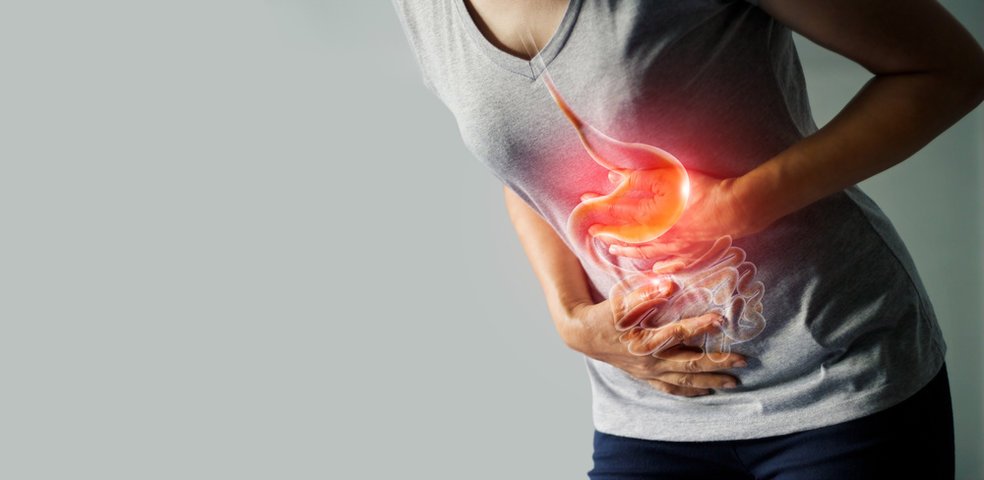
The close connection between the stomach and the circadian rhythm has far-reaching health consequences that are often underestimated. When the internal clock is thrown out of balance—whether due to irregular meal times, late meals, shift work, or lack of sleep—the stomach is particularly sensitive. One of the most immediate consequences is a disruption in stomach acid production, which normally follows a daily rhythm: during the day, the stomach produces less acid, while at night it produces more. Eating late means that food enters the stomach during a phase of increased acid production and reduced stomach motility. As a result, it remains in the stomach longer, which promotes heartburn and nighttime reflux. The mucous membrane is also more vulnerable at night, making inflammatory processes more likely to occur.
Another key factor is hormonal regulation: the stomach hormone ghrelin, which normally rises before meals and sends hunger signals to the brain, becomes out of sync when eating habits are irregular. If you eat late or at night frequently, ghrelin activity shifts, which in turn affects the reward system and increases cravings and nighttime eating. In the long term, this increases the risk of overweight, obesity, and impaired blood sugar regulation. The microbiome of the stomach and intestines also reacts strongly to circadian disturbances. Normally, bacterial activity patterns alternate between day and night; however, chronic rhythm shifts, such as those that occur in shift work, lead to an imbalance of bacteria, which can promote inflammation, digestive problems, and increased permeability of the intestinal wall.
 These changes also have a direct impact on metabolic processes. When the stomach and other digestive organs have to work at the “wrong time,” a kind of internal desynchronization occurs: the master clock in the brain signals rest and regeneration, while the digestive tract is working in digestion mode. Studies show that this reduces insulin sensitivity, increases blood sugar levels, and, in the long term, increases the risk of type 2 diabetes and metabolic syndrome. People who consistently eat against their internal clock—for example, by frequently changing meal times or regularly snacking late at night—are particularly at risk.
Mental and cognitive processes are also affected. Since communication between the stomach and brain occurs via hormones and nerve pathways, shifts in rhythm not only disrupt digestion, but also sleep quality, mood, and stress management. Frequent reflux and nighttime digestive problems also lead to interrupted sleep, which further exacerbates circadian imbalance—a vicious cycle that affects both physical and mental well-being.
Overall, it is clear that the stomach does not just react passively, but is actively involved in the body’s circadian stability. If this sensitive rhythm is permanently disrupted, health risks arise that go far beyond digestive problems – from obesity and diabetes to sleep and stress disorders. A regular daily rhythm and fixed meal times are therefore crucial for keeping both stomach function and the entire metabolism in balance.
What Does this Mean for Everyday Life?
Regular Meals Support Circadian Stability
The body’s internal clock controls not only sleep, activity, and hormones, but also digestion. Regular meals act as a “signal” for the stomach and the peripheral clocks in the intestines, liver, and pancreas. Eating at roughly the same times every day helps these clocks synchronize better with the main clock in the brain, ensuring that digestive enzymes, stomach acid production, and stomach motility are optimally available at mealtimes. On the other hand, if you eat irregularly or shift meals significantly, you risk your stomach working “against the clock,” which can cause blood sugar fluctuations, poorer nutrient absorption, and digestive problems.
No Large Meals Late in the Evening
The stomach works more slowly at night: gastric emptying is delayed, and the production of stomach acid can lead to heartburn or reflux if the timing is unfavorable. Large meals late in the evening not only strain the stomach, but also disrupt sleep, as the body has to put energy into digestion instead of regeneration and repair. It is therefore ideal to eat your last main meal several hours before going to bed and to avoid very fatty or spicy foods. This gives the stomach enough time to process the food and ensures that your night’s rest remains undisturbed.
Breakfast Stabilizes the Peripheral Clocks
A regular breakfast acts as a “kickstart” for digestion and signals to the peripheral clocks that the day is beginning. Skipping breakfast often shifts the entire eating rhythm backwards, causing the stomach and other digestive organs to become active later than usual. This shift can destabilize the circadian rhythm, alter the insulin response, and put strain on the metabolism in the long term.
Eating breakfast early also supports the natural increase in hormones such as ghrelin, which control hunger and energy distribution, allowing the body to respond more efficiently to meals.
Intermittent Fasting (time-restricted eating)
Intermittent fasting can promote circadian stability if the eating window falls within the active hours of the day, for example from 8 a.m. to 6 p.m.
During this time, the stomach is active, digestion is optimal, and nutrients can be absorbed efficiently. During the fasting phase outside this window, the stomach rests, the mucous membrane can regenerate, and the microbiome adjusts to nighttime repair processes. Studies show that time-restricted eating stabilizes blood sugar, reduces inflammation, and improves metabolic health. It is crucial that meals are eaten regularly and not too late in the evening so as not to shift the internal clock.
Conclusion
The stomach is closely intertwined with the circadian rhythm—both as a receiver and transmitter of time information. The circadian rhythm controls stomach acid production, motility, hormone release, and digestive efficiency. The stomach synchronizes peripheral clocks and influences hunger, metabolism, and even sleep rhythms. Irregular meal times or eating at night can permanently disrupt the internal clock and cause long-term metabolic and digestive problems. The stomach is therefore not only a digestive organ, but also an active timekeeper for the body, closely intertwined with the entire circadian biology.
You may also be interested in...
-

For any disease, discerning between causes and symptoms is vital, especially for those illnesses that…
-
Mental illness is a major health problem throughout the world. Scientists estimate that around 18…
-
The body's internal clock not only determines when we sleep, but also how quickly our…