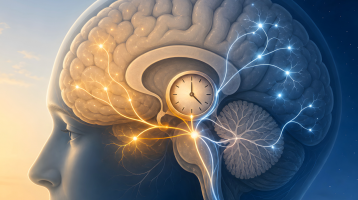
The body’s biological clock regulates the hunger cravings that influence when you eat. These cravings naturally peak around 8 p.m. — but eating later in the day may increase your risk for certain diseases. Now, a new study finds that when you eat also influences caloric intake and food choices. Why Do You Feel Hungrier […]
The Chronodiet: A Diet Based on Your Biology
Timing matters. That’s the premise of the Chronodiet. You’ve probably heard of the circadian rhythm, a term used in the science of chronobiology to describe the roughly 24-hour cycle followed by a wide variety of metabolic and physiological processes. When you sleep and when you wake up, the levels of hormones in your blood, brain […]
Study Shows: Two Simple Dietary Habits Lead to Lower Body Weight

Maintaining a healthy weight may depend not only on food choices but also on the timing of meals. A study published in the International Journal of Behavioral Nutrition and Physical Activity found that two habits are associated with a lower body mass index (BMI) in the long term: extending the nighttime fasting period and eating […]
How Disrupted Circadian Rhythms Affect Stomach Function and Health

The circadian rhythm is a biological cycle lasting approximately 24 hours that synchronizes sleep, hormones, metabolism, and nearly all bodily functions. While many people associate the “internal clock” primarily with the brain, the stomach also plays a central role in this timing mechanism. In fact, there is a bidirectional connection: the circadian rhythm influences stomach […]
Daylight Saving Time Ends Sunday: Here’s How to Adjust
While the autumn return to Standard time is in some ways an easier transition than the springtime shift to Daylight Saving Time, it can still have a powerful impact. That can be especially true for those dealing with seasonal mood disorders and certain types of sleep issues. Daylight Saving Time ends on Sunday, so now […]
- « Previous Page
- 1
- …
- 9
- 10
- 11
- 12
- 13
- …
- 61
- Next Page »