If you want to sleep better, you don’t necessarily have to exercise longer or more intensely. How regularly you incorporate exercise into your daily routine could also be a key factor. A study by the University of Texas at Austin suggests that people who exercise on more days spend more time in restorative sleep phases. Even short exercise sessions may play a role here. The results suggest that it’s not just the total duration of exercise that matters. The distribution of physical activity throughout the week may also be important for sleep health.
Regularity May Be More Important Than Long Workouts
Previous studies have already provided evidence that exercise can improve sleep quality. A meta-analysis published in 2024 in the journal Preventive Medicine evaluated 27 studies involving a total of 2,142 adults and found that forms of exercise such as Pilates and yoga can positively influence sleep quality. Another review from 2024 examined 19 studies on physical activity and insomnia and also found evidence of improvements in sleep quality.
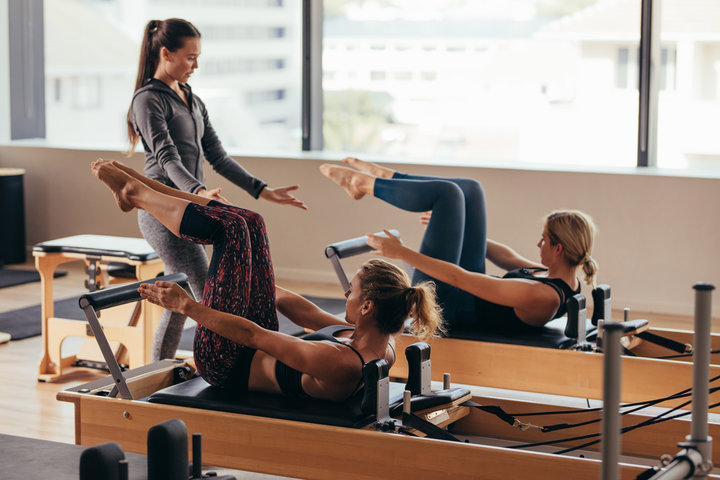 For the current study, researchers at the University of Texas at Austin analyzed students’ physical activity and sleep data over several months. The participants wore Fitbit devices that tracked their physical activity and sleep patterns in daily life. The study focused on a question that had received less attention in previous research: Does it make a difference for sleep whether people are active regularly throughout the week or concentrate their physical activity on just a few days?
The analysis revealed that more frequent physical activity was associated with more favorable sleep patterns. People who exercised more regularly tended to spend more time in what is known as non-REM sleep. This sleep phase includes deep sleep, which plays a central role in physical recovery and important brain functions. The results suggest that it might be beneficial to view exercise not just as a single workout session, but as an integral part of daily life.
Even Ten Minutes of Exercise Could be Enough
It is particularly interesting that, apparently, no long workout sessions were required to establish a link with sleep. Among the young adults studied, as little as ten minutes of moderate-to-vigorous physical activity per day was associated with more favorable sleep characteristics.
Moderate to intense exercise does not necessarily mean strenuous sports. The key is that your breathing quickens. During moderate exertion, you should generally still be able to carry on a conversation. A brisk walk, a short bike ride, or a few minutes of more physically demanding activity can therefore be ways to incorporate more activity into your daily routine.
Even less intense forms of exercise could be beneficial. Regular walking and short breaks during prolonged periods of sitting were also linked to better sleep patterns and a better mood the following day.
Deep Sleep Supports Recovery and Well-Being
During sleep, the body goes through various stages that serve different purposes. Deep sleep, in particular, is considered important for physical recovery. In addition, healthy sleep helps consolidate memories and regulate emotional processes.
The study also revealed a link between a higher proportion of non-REM sleep and well-being the following day. Participants who spent more time in these sleep stages tended to report a better mood and more energy.
This could explain why regular exercise is relevant not only for a good night’s sleep but also, potentially, for daily well-being. People who get sufficient and restful sleep often find it easier to concentrate during the day and feel less exhausted.
However, the available data do not support the conclusion that more exercise necessarily leads to more deep sleep or a better mood. The observed correlations may also be influenced by other factors.
Exercise on the Weekend or Every Day?
Many people try to concentrate their exercise on the weekend. Those who have little time during the week often make up for it with longer walks, bike rides, or workouts on their days off. Current recommendations for adults are based primarily on the total weekly amount of physical activity.
The World Health Organization generally recommends that adults engage in at least 150 to 300 minutes of moderate-intensity endurance activity per week or an equivalent amount of vigorous-intensity exercise. This activity does not necessarily have to take place every day.
 However, the findings from Austin raise the question of whether a more even distribution of activity might offer additional benefits for sleep. According to this, people who exercise on multiple days might sleep better than those who limit a comparable amount of activity to just a few days.
However, the study does not provide definitive proof of this. To determine whether frequency is actually a decisive factor, researchers would need to directly compare different exercise plans while taking the total amount of activity into account.
Why the Results Should Still Be Interpreted with Caution
One advantage of the study is that the data were collected under everyday conditions. The fitness trackers made it possible to monitor activity and sleep over an extended period rather than simply examining individual nights under controlled laboratory conditions.
At the same time, this method has its limitations. The study identified correlations without specifically assigning participants to different exercise programs. Therefore, it cannot be said with certainty whether regular exercise itself was responsible for the observed differences.
Furthermore, the participants were university students. Whether the results can be generalized to older adults, people with health limitations, or individuals with different exercise habits remains to be investigated.
The research team therefore plans to conduct further studies as part of the long-term “Whole Communities – Whole Health” initiative at the University of Texas at Austin. The goal is to determine whether the observed patterns also emerge in a larger and more diverse population.
Short Breaks for Physical Activity as a Start
Even though further research is needed, the results offer a practical suggestion for everyday life: physical activity doesn’t always have to consist of a long workout. People who walk more often, schedule short walks, or regularly take breaks from sitting for long periods can take a first step toward a more active daily routine. However, this should not give the impression that ten minutes of daily physical activity is enough to meet all health recommendations. However, short sessions can be useful as a starting point or supplement to more physical activity. Often, it’s precisely the small changes that are easier to maintain over the long term. For example, walking part of the way to work, taking the stairs instead of the elevator, or going for a short walk during lunch break adds up to extra minutes of physical activity without having to stick to a fixed workout schedule.
 There are also plenty of opportunities in the office or while working from home. Getting up regularly, stretching briefly, or pacing around during a phone call breaks up long periods of sitting and gets the blood flowing. While such short bursts of activity don’t replace every form of targeted exercise, they can help make incorporating movement into your daily routine feel more natural. What matters most isn’t so much a perfect plan as a routine that fits your own life. For some, a morning walk is ideal; others prefer to be active in the afternoon or early evening. Choosing a set time of day or combining exercise with an existing habit can make it easier to stick with it in the long run.
In addition to frequency, the timing of physical activity can also play a role in sleep. Daylight and morning exercise can help support the natural sleep-wake cycle. A walk during the day also combines physical activity with time spent outdoors. Evening exercise isn’t necessarily problematic either. How well it affects sleep depends, among other things, on the intensity, the time interval before bedtime, and individual response. While some people have no trouble falling asleep after an evening workout, others feel too alert for quite some time afterward. If you notice that intense workouts late in the evening make it difficult to fall asleep, you can try scheduling more strenuous workouts earlier in the day. A relaxed walk or light exercise, on the other hand, can also be a good way to wind down in the evening.
Exercise as Part of an Active Lifestyle
As promising as the results are, physical activity is just one of several factors that influence sleep quality. Regular bedtimes, a quiet and dark sleeping environment, and mindful consumption of caffeine and alcohol can also be important. In addition, stress, personal circumstances, and health factors play a role. Anyone who regularly wakes up exhausted despite getting enough sleep, or who suffers from sleep problems over an extended period, should therefore not rely solely on increased physical activity. Persistent symptoms may warrant a medical evaluation. It is equally important to consider one’s own capabilities. People who have been relatively inactive up to this point can start gradually and slowly increase the duration or intensity of their exercise. If there are existing health limitations, the exercise regimen should be coordinated with a healthcare professional as needed.

The study by the University of Texas at Austin draws attention to an aspect that is often overlooked when planning exercise: It is not only the amount but possibly also the regularity of physical activity that matters. This approach could be particularly appealing to people with busy schedules, as it doesn’t require a long workout every day. The study’s key message is therefore not that exercising as often as possible automatically guarantees better sleep. Rather, the results suggest that it might be worthwhile to incorporate exercise more regularly into daily life.
So, anyone looking to improve their sleep habits doesn’t necessarily have to start with an ambitious exercise program. A short walk, an active break, or a few extra minutes of movement can be a realistic starting point. Once such activities become a habit, one can gradually increase their personal level of physical activity. Further studies are needed to determine whether daily exercise actually has a greater impact on deep sleep than the same amount of activity spread over a few days. Until then, however, there is strong evidence that exercise should not be viewed exclusively as a sporting achievement, but rather as part of an active lifestyle. After all, a healthy daily routine rarely results from a single major change. Often, it is the small decisions—repeated regularly—that, over time, become an established routine.
You may also be interested in...
-

Paying attention to the basics, such as sleep and physical activity, is essential to achieving…
-
Sleep deprivation has gotten a lot of attention from health officials and researchers in recent…