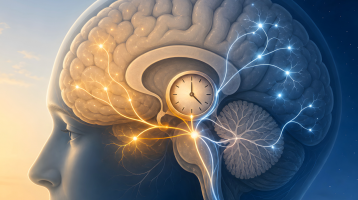
A new analysis of the biological aging process throughout the human body suggests that both too little and too much sleep are associated with accelerated aging of the brain, heart, lungs, immune system, and other organs. These sleep patterns have also been linked to a variety of diseases.
“Previous studies have shown that sleep is strongly linked to aging and pathological stress on the brain. Our study goes a step further and demonstrates that both too little and too much sleep are associated with accelerated aging in nearly every organ. This supports the notion that sleep is important for maintaining organ health within a coordinated network of the brain and body, including metabolic balance and a healthy immune system,” said study lead author Junhao Wen, assistant professor of radiology at Columbia University’s Vagelos College of Physicians and Surgeons. The research findings were published in Nature.
Biological Clocks Reveal How Organs Age
Scientists are increasingly using aging clocks to estimate whether a person is aging biologically faster or slower than their chronological age would suggest. These tools rely on machine learning and biological data (e.g., proteins from a minimally invasive blood test) to calculate patterns associated with aging. Many aging clocks provide a single metric for the entire body. However, different organs can age at different rates. A well-known example is the decline in ovarian function, which contributes to the biological clock associated with female fertility.
Wen and his colleagues have developed aging clocks that focus on individual organs. The goal is to provide more detailed and potentially more personalized information about a person’s health. “Everyone is excited about these aging clocks and their ability to predict disease risk and mortality,” says Wen. “But for me, the more exciting question is: Can we link aging clocks to a lifestyle factor that can be modified in time to slow down the aging process?”
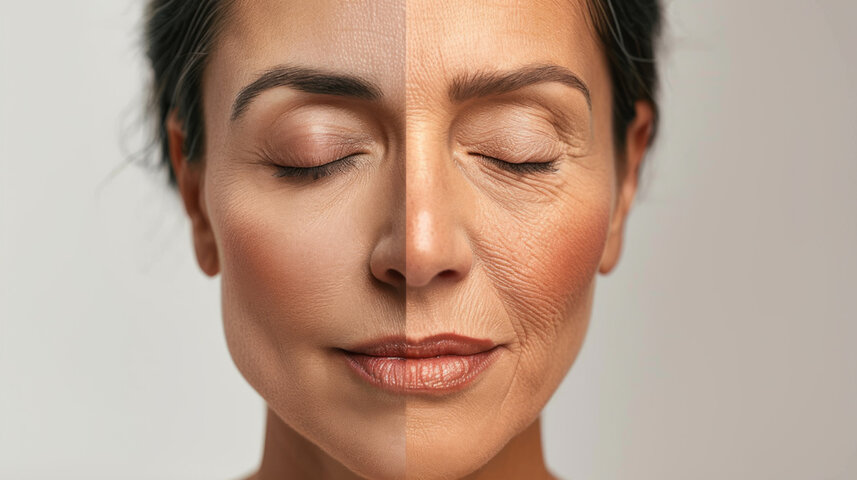
The concept of biological age differs from chronological age. For example, two people can both be 60 years old, yet their organs and metabolic processes may be affected to varying degrees by the aging process. Factors such as exercise, diet, smoking, chronic diseases, stress, and possibly sleep as well may be related to these differences. A biological aging clock attempts to map such differences based on measurable biological characteristics. In other words, it doesn’t simply indicate how old a person is, but rather attempts to assess the extent to which certain biological characteristics already show age-related changes. Examining individual organs is particularly interesting in this context. The brain, for example, may have a different biological age than the heart, lungs, or liver. A person might therefore appear healthy overall, while certain organ systems already appear to be more aged than others. It is precisely these differences that aging clocks can reveal.
The Search for Optimal Sleep
Sleep offered researchers an ideal opportunity to explore this question, as more and more evidence suggests that sleep plays an important role in health. Wen also had a personal interest in this topic. “I’m a very light sleeper myself and was slowly becoming concerned about the effects on my own health,” Wen said.
To create the aging clocks, Wen used data from about half a million participants in the UK Biobank. Using machine learning, the researchers identified biological signatures associated with aging in various organs. The researchers created aging clocks based on various types of information, including structural measurements from medical imaging, proteins associated with specific organs, and molecules detected in the blood. “In the liver, for example, we have an aging clock based on protein data, an aging clock based on metabolic data, and an aging clock based on imaging data,” says Wen. “This allows us to determine whether sleep is associated in specific ways with aging clocks derived from different omics and molecular levels.” The team then compared sleep duration (as reported by individual biobank participants) with estimates of biological age based on 23 aging clocks covering 17 organ systems.
The size of the study is a key factor here. With about half a million participants, the researchers were able to analyze a very large dataset and look for patterns that might not be detectable in smaller studies. At the same time, this type of analysis is an observational study. In other words, participants were not randomly assigned to different sleep durations but reported how long they typically sleep. This is crucial for interpretation. If people who sleep very little or very long appear biologically older, this initially means only that these two characteristics occur together. It does not automatically follow that sleep duration itself is the cause of accelerated aging.
Too Little and too Much Sleep are Associated With Faster Aging
A clear U-shaped pattern was observed throughout the body. People who reported short sleep (less than 6 hours) and long sleep (more than 8 hours) tended to show faster biological aging. The slowest aging was observed in people who reported sleeping between 6.4 and 7.8 hours daily. The U-shaped pattern is particularly interesting. It suggests that the rule “the longer a person sleeps, the better” does not simply apply. Instead, the association with the lowest biological age was found within a moderate range. Both very short and very long sleep durations were linked to higher aging scores.
 It is important to note, however, that the 6.4 to 7.8 hours identified in the study should not be interpreted as an exact personal target. Individual sleep needs can vary and depend, among other things, on age, health status, and lifestyle. Furthermore, the study describes a statistical correlation within this large group of participants and does not identify an ideal sleep duration that applies equally to everyone. Nor can sleep quality be fully determined based on sleep duration alone. For example, two people may both spend seven hours in bed, but one sleeps through most of it, while the other wakes up regularly. The biological significance of these two sleep patterns could differ. However, the current analysis focused primarily on the reported duration of sleep.
It is important to note that the results do not prove that sleep duration in and of itself causes organs to age faster or slower. Rather, they suggest that both too little and too much sleep could be a sign of poorer overall health. The link to long sleep, in particular, must therefore be interpreted with caution. Sleeping longer, for example, may be a consequence of a pre-existing condition, exhaustion, or poor sleep quality. In this case, long sleep would not necessarily be the cause of the health changes. Instead, an underlying condition could influence both sleep and biological markers of aging.
Why Sleep Might Be Important for Aging Organs
Sleep is not simply a time when the body is inactive. During various sleep stages, brain activity changes, and at the same time, regulatory processes take place throughout the body. Metabolism is adjusted, the immune system alters its activity, and hormonal signals are re-coordinated. The brain, too, undergoes characteristic processes during sleep that are associated with information processing and the maintenance of its normal function.
Persistently disrupted or shortened sleep could therefore affect multiple biological systems simultaneously. If such changes persist over many years, it is conceivable that they could also impact the long-term health of various organs. This could explain why the study found associations not only with the biological age of the brain but also with aging markers of numerous other organ systems. Sleep could act as a kind of common regulator of various bodily functions.
Sleep Duration is Associated With Diseases Throughout the Body
The results also point to a far-reaching connection between sleep, the brain, and the rest of the body. Short sleep duration was significantly associated with depressive episodes and anxiety disorders, which is consistent with previous research linking insufficient sleep to mental health problems. It was also linked to obesity, type 2 diabetes, high blood pressure, ischemic heart disease, and cardiac arrhythmias. Both short and long sleep durations were associated with chronic obstructive pulmonary disease and asthma. They were also linked to various digestive disorders, including gastritis and gastroesophageal reflux disease.
 This broad range of associations is one of the most striking aspects of the study. Sleep duration does not appear to be linked solely to diseases of a single organ system. Instead, relationships were observed with conditions affecting the cardiovascular system, the respiratory tract, metabolism, digestion, and mental health. Wen said, “This far-reaching pattern between the brain and the body is important because it shows us that sleep duration is a deeply rooted component of our overall physiology, with far-reaching effects on the entire body.”
However, it is important to distinguish between a correlation and a causal relationship. For example, people with diabetes, cardiovascular disease, or chronic respiratory diseases may sleep less well or have an increased need for sleep. The disease itself could therefore partly explain why certain sleep patterns occur more frequently in these individuals.
Sleep, Aging, and Depression in Old Age
These organ-specific aging clocks could also help scientists understand how sleep relates to specific diseases. Wen and his colleagues investigated this possibility using depression in old age as a case study. The researchers were unable to determine whether differences in sleep duration caused depression in old age or whether the depression itself altered the sleep duration of those affected. To investigate this further, the team used a “mediation analysis” to examine whether biological aging might help explain the association between short or long sleep and depression in old age.
The results suggested that short sleep may be more directly linked to the burden of depression in old age. Long sleep, on the other hand, could influence depression through mechanisms reflected in the aging clocks of the brain and adipose tissue. “This has significant implications for future sleep management and therapeutic approaches,” said Wen. “Our study suggests that there may be different biological pathways in long and short sleepers that lead to the same outcome—depression in old age—and that we should not treat them in the same way.”
This distinction could be particularly important for future research. If short and long sleep are indeed linked to depression via different biological mechanisms, it might not make sense to treat both sleep patterns in the same way. For a person who chronically sleeps too little, for example, sleep deprivation and a disrupted sleep routine might be the primary concerns. In contrast, for a person who sleeps unusually long, it may be necessary to investigate an underlying medical condition, depression itself, or another health-related cause. Sleep habits can also change, especially in older age. Some people sleep more lightly and wake up more frequently, while others stay in bed longer due to health issues or medications. Therefore, a change in sleep duration should not be viewed in isolation.
What the Findings Mean for Healthy Aging
The study provides no evidence that a specific amount of sleep can slow the body’s aging process. However, it does reveal an interesting connection between sleep and biological age that appears to extend beyond the brain. Therefore, healthy aging may depend not only on diet and physical activity but also on maintaining as stable and sufficient a sleep pattern as possible. The key is likely not so much about getting exactly the same number of hours every night. It is much more important to pay attention to one’s own sleep habits and any potential long-term changes.
Anyone who regularly sleeps less than six hours or suddenly sleeps significantly longer than before should not simply dismiss the change as a normal part of aging. Above all, a lasting change in sleep patterns can be an indication that other health or psychological factors are at play. At the same time, people shouldn’t let a few nights of poor sleep worry them. The study examines long-term sleep patterns in a large population group, not the effects of an occasional short night’s sleep.
You may also be interested in...
-

It is well established that deep sleep is essential to overall health and well-being, both…
-
The midnight snack is almost an institution of American life, with many people succumbing to…