Sleep is integral in processing, storing and recalling memories, especially “gist” memories that give the overall message of what occurred. Do you have trouble remembering certain details or information? Sleep has long been known to be a major factor in how well we remember what has happened as well as how easily and accurately we […]
Body Clock and Stroke: How the Circadian Rhythm Might Affect Brain Recovery
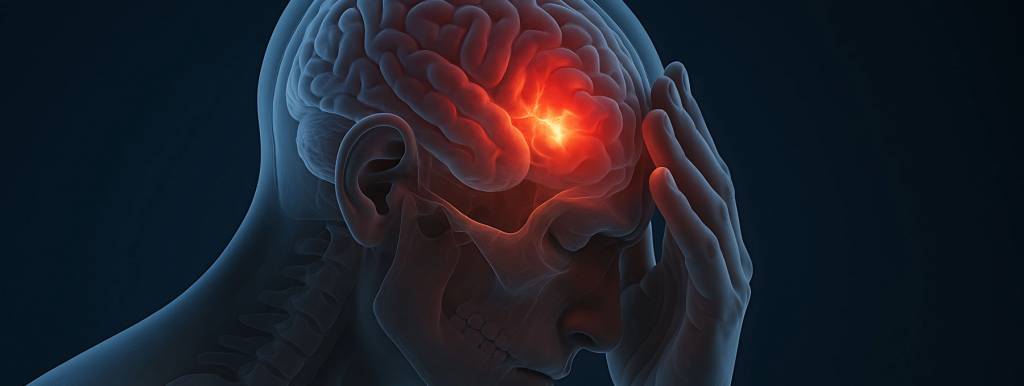
After a stroke, the brain begins a lengthy repair process. This process involves more than just replacing damaged nerve cells or establishing new connections; metabolic byproducts and inflammatory signaling molecules must also be removed from the affected tissue. A new study from the University of Rochester now suggests that the body’s internal clock may play […]
The Positive Effects of Time-Restricted Feeding
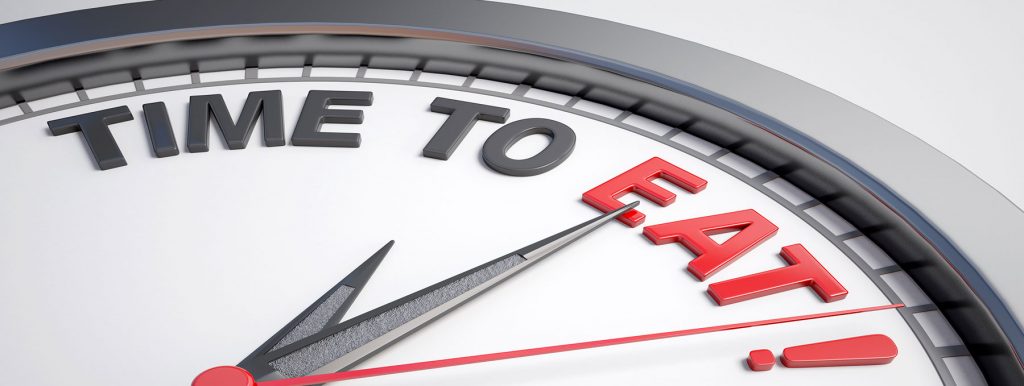
Many people in the Western world try to lose weight by restricting their number of calories. New studies suggest that time restricted feeding may be more effective. Obesity is a growing problem in the Western world and one of the leading causes of medical costs. While many people eventually find ways to lose weight, an […]
Does Sleep Duration Matter When it Comes to Prostate Cancer?

Studies in chronobiology suggest that short sleep duration is a carcinogen. New research indicates that prostate cancer risk may be especially impacted. The World Health Organization and other major medical associations have long considered disruptions to the circadian rhythm a carcinogen—or cause—of cancer. Several different types of cancer have been linked to shift work, insomnia, short […]
Can Circadian Disorders Accelerate the Progression of Colorectal Cancer?

A study by the University of California, Irvine, has shown how disruption of the circadian clock, the body’s own 24-hour biological pacemaker, can accelerate the progression of colorectal cancer by impairing the intestinal microbiome and intestinal barrier function. This discovery offers new opportunities for prevention and treatment strategies. The study, published in the journal Science […]
- « Previous Page
- 1
- …
- 37
- 38
- 39
- 40
- 41
- …
- 62
- Next Page »