After a stroke, the brain begins a lengthy repair process. This process involves more than just replacing damaged nerve cells or establishing new connections; metabolic byproducts and inflammatory signaling molecules must also be removed from the affected tissue. A new study from the University of Rochester now suggests that the body’s internal clock may play an important role in this process. In experiments with mice, the scientists were able to specifically enhance the natural circadian rhythms. This led to improvements in several indicators of recovery following a stroke.
Among other things, the treated animals showed better motor recovery. At the same time, increased fluid flow was observed in the so-called glymphatic system, and the concentration of various inflammatory signaling molecules in the brain decreased. The results are interesting because the treatment did not begin immediately after the stroke. The relevant measures were not implemented until three days after the event—well later than conventional acute treatments, which rely on intervening as quickly as possible.
The Brain Has Its Own Cleaning System
The brain has a fluid system that helps eliminate metabolic byproducts: the so-called glymphatic system. In this system, cerebrospinal fluid moves along specific structures in the brain and aids in the transport of waste products out of the nervous tissue. The system is particularly active during certain sleep phases and has therefore been the subject of intensive research for years in connection with sleep and brain health.
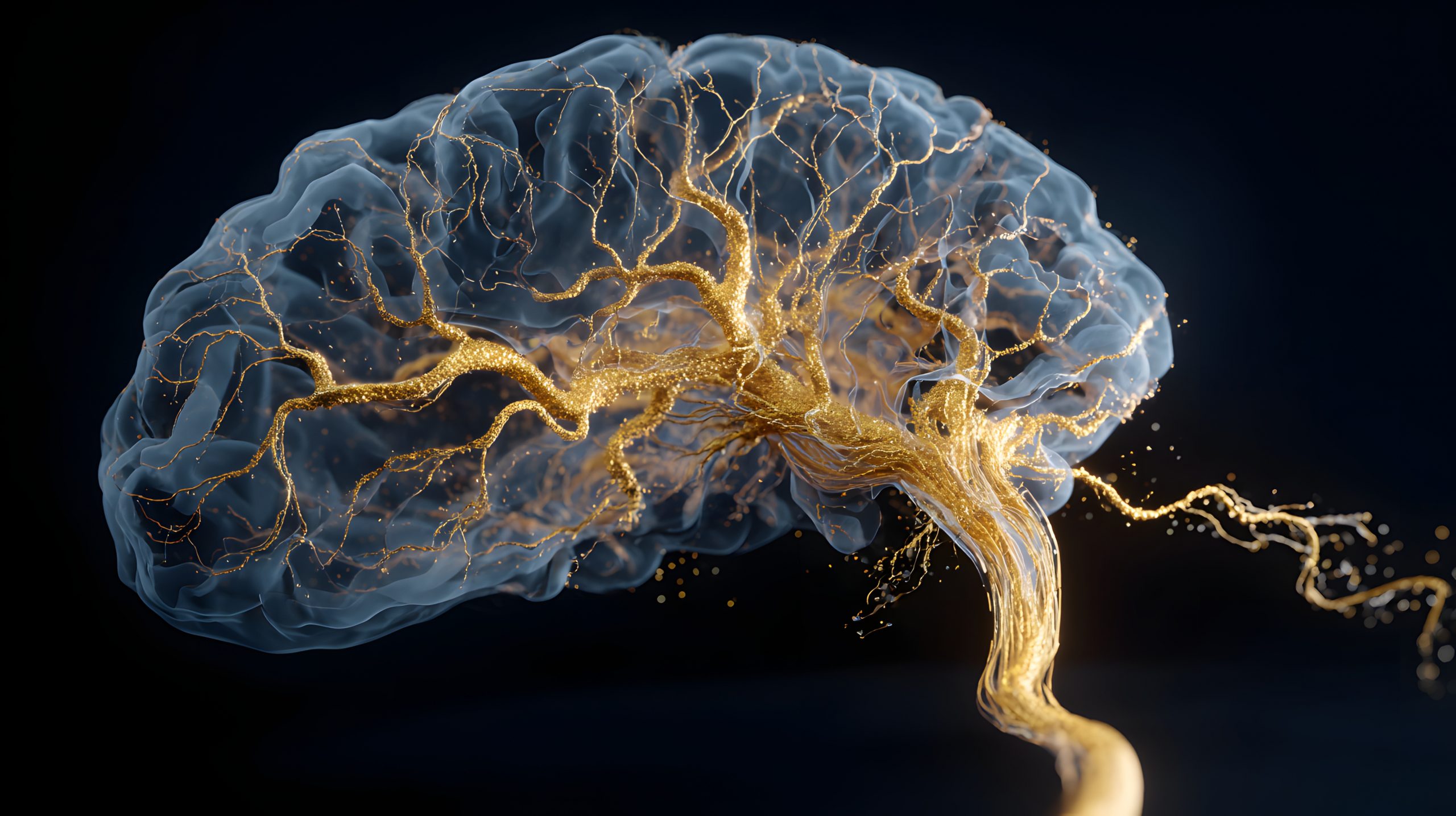 Earlier research by Maiken Nedergaard and her colleagues made a significant contribution to describing this system. Subsequent studies showed that its activity does not depend exclusively on sleep. The body’s internal biological clock also influences when and to what extent fluid transport occurs in the brain. This creates an interesting connection between sleep, circadian rhythms, and brain cleansing.
A systematic review from 2022 by Chong and colleagues evaluated the available research on the relationship between sleep and glymphatic function. The results suggest that sleep is closely linked to changes in fluid exchange in the brain, although the exact mechanisms and their significance for humans have not yet been fully elucidated.
What Changes Does a Stroke Cause?
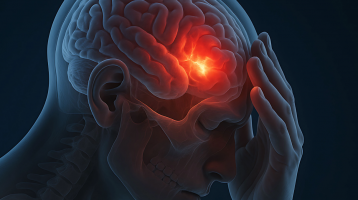
A stroke can significantly disrupt the delicate balance in the brain. The damage leads, among other things, to inflammatory reactions and metabolic changes. The glymphatic system also ceases to function normally after a stroke. This could make it more difficult for the brain to clear certain metabolic byproducts and inflammatory signaling molecules.
This is precisely where the new research comes in. The scientists began by asking whether it is not only the direct treatment of brain damage that is crucial, but also the support of the body’s own rhythms, which guide the brain in its repair and cleansing processes.
When the Internal Clock Goes Out of Sync
The biological clock controls far more than just the sleep-wake cycle. Nearly all organs and many cells in the body follow an approximately 24-hour rhythm. These include, for example, metabolism, hormone balance, body temperature, blood pressure, and numerous processes within the brain.
There is also evidence of a connection between stroke and the time of day. Both the occurrence and the severity of strokes can vary throughout the day. At the same time, many people develop disruptions in their sleep-wake cycle after a stroke.
Such changes are not insignificant. A disrupted circadian rhythm can hinder the body’s recovery and is associated, among other things, with a poorer quality of life after a stroke. The researchers therefore posed an interesting question: Could stabilizing the body’s internal clock help the brain regenerate more effectively after damage?
Several Ways to Strengthen the Biological Clock
To investigate this question, the research team tested various ways to influence the circadian rhythm. These included time-synchronized light stimuli, melatonin, the active ingredient KL001, and time-restricted feeding.
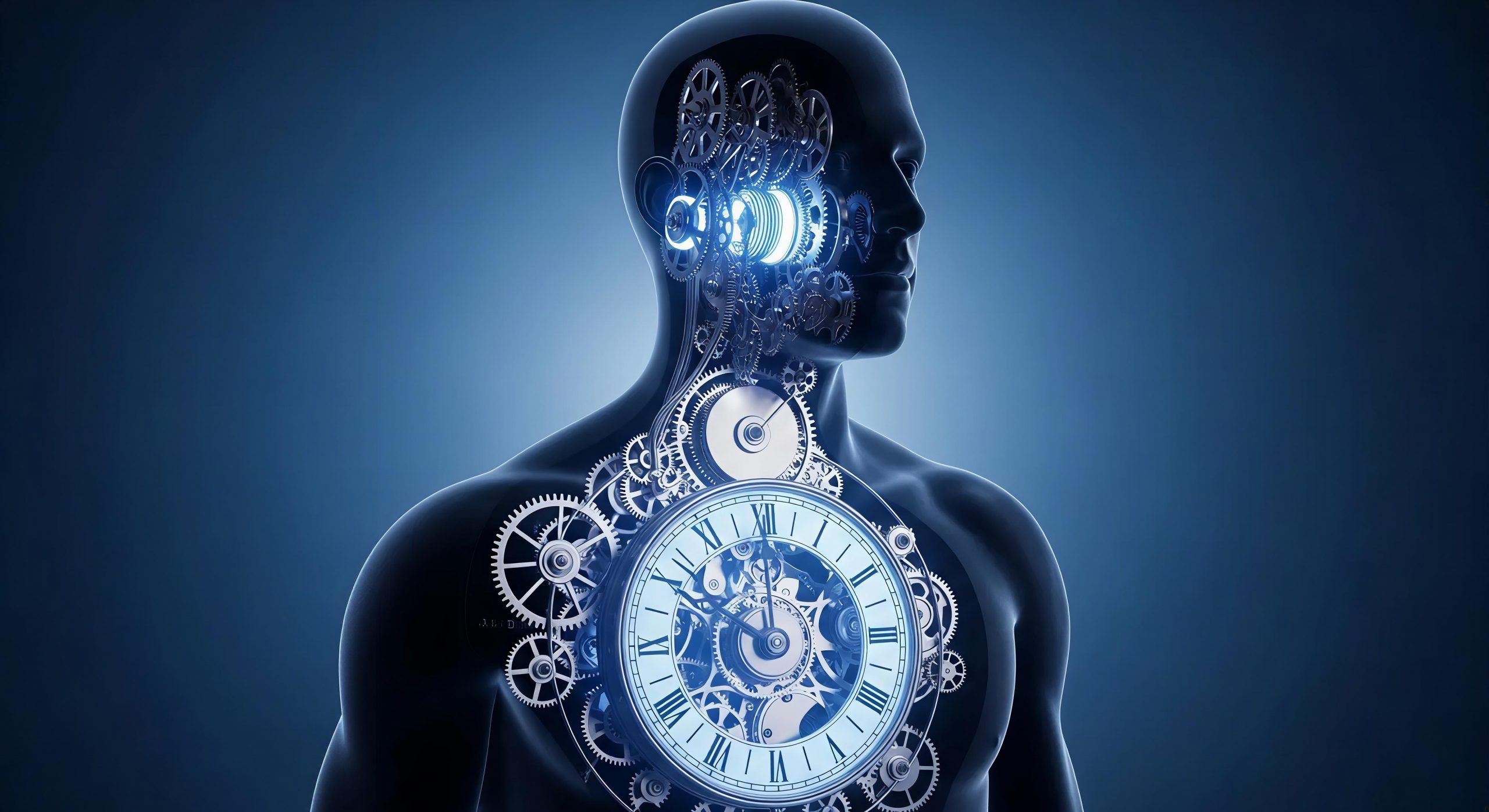 The scientists first studied healthy mice. Their findings showed that the various measures could increase the activity of the glymphatic system. They then focused on two particularly promising approaches: KL001 and time-restricted feeding during the animals’ active phase. These two strategies were subsequently tested in mouse models of stroke.
Interesting: Treatment Did Not Begin Until Days Later
A particularly noteworthy aspect of the study was the timing. The interventions were not started immediately after the stroke, but only three days later. This meant that treatment began outside the narrow time window in which certain established acute stroke treatments must be administered.
Despite this delay, the treated mice showed better motor recovery. In addition, the lesions in the brain were smaller, glymphatic fluid flow was stronger, and various inflammatory cytokines were present in lower concentrations.
This does not mean that such a treatment can already be used as a therapy in humans. It does, however, indicate that modulating circadian rhythms in an animal model can have measurable effects even after brain damage has begun.
Why Inflammation Might Play an Important Role
After a stroke, an inflammatory response is initially a normal part of the body’s reaction to the injury. The immune system helps remove damaged tissue and initiate repair processes. Problems can arise, however, if inflammatory signals persist over an extended period.
The new study provides evidence that improved glymphatic function could help clear such signals from the brain more effectively. It was interesting to note that changes were not limited to a single inflammatory marker; several of the cytokines examined showed trends in the same direction.
This could suggest that the measures studied do not merely block a single inflammatory pathway. Instead, the improved fluid movement could help ensure that various inflammatory signaling molecules are more effectively removed from brain tissue.
Time-Restricted Eating as a Possible Approach
Of particular interest for further research is what is known as time-restricted eating. This does not necessarily involve reducing the amount of food consumed. Rather, the key is that food intake is restricted to a specific time window within the day. This allows the body to experience longer periods without food intake and enables certain metabolic processes to be more closely aligned with its internal clock.
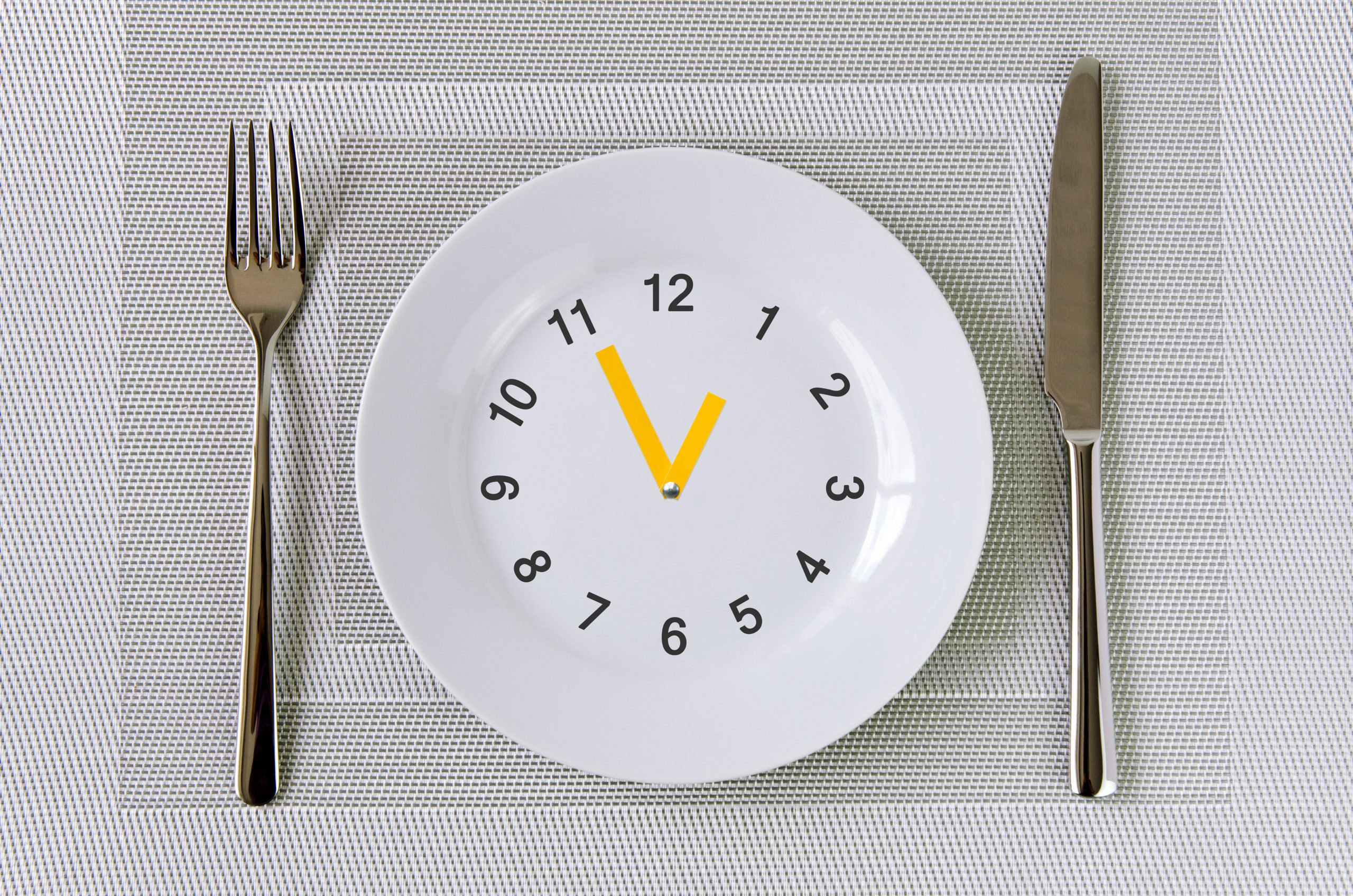
In the current study, this principle was applied to mice and linked to improved recovery after a stroke. This makes the approach scientifically interesting because it fundamentally represents a behavioral intervention and does not necessarily rely on medication.
However, no recommendations for people who have suffered a stroke can yet be derived from this. Diet and fasting can entail specific risks and requirements following a stroke. The results must therefore first be verified in further preclinical studies and, if necessary, in subsequent clinical trials.
The Body’s Internal Clock Influences More than Just Sleep
The findings underscore a trend in chronobiology: The biological clock is apparently not only important for determining when we sleep. Internal rhythms coordinate numerous processes in the body. These include metabolic processes, hormones, vascular functions, and certain processes in the brain.
The glymphatic system also appears to be integrated into this temporal organization. Lauren Hablitz’s research group is therefore investigating how changes in circadian rhythms can influence the function of this cleansing system. This reveals a larger biological network: internal clock → sleep and metabolism → fluid movement in the brain → removal of metabolic byproducts and inflammatory signals. After a stroke, several of these processes could become unbalanced simultaneously.
The Biological Clock as a New Perspective on Stroke Rehabilitation
The new findings open up an interesting research avenue but are still far from being applied in humans. The current study was conducted on mice. It therefore remains unclear whether the observed changes in the glymphatic system and stroke recovery can be extrapolated to humans.
Nor has it been conclusively proven that improved glymphatic activity is actually the cause of the better recovery. It is possible, for example, that multiple processes simultaneously benefit from the stabilization of circadian rhythms. Further studies must therefore clarify the respective roles played by the internal clock, glymphatic fluid transport, and inflammatory responses.
The study reveals an interesting connection between three areas that have long been considered separately: chronobiology, brain cleansing, and stroke rehabilitation. If the results are confirmed in further studies, the targeted stabilization of the circadian rhythm could one day represent an additional way to support the brain’s recovery after injury. Until then, the most important finding remains primarily a scientific one: The body’s internal clock may be much more heavily involved in the brain’s repair and cleansing processes than previously assumed.
You may also be interested in...
-

Do you feel sleepy even after an adequate amount of sleep? Do you feel fuzzy…
-
Do you get sleepy when you are cold? Researchers have discovered new insights about how…
-
As the most common form of dementia, Alzheimer's disease affects memory and the ability to…