Our bodies follow a daily rhythm. Activity and rest alternate; we become more active at certain times of the day and return to a state of rest at other times. This pattern is not random. It is linked to our biological clock and the timing of numerous bodily functions. But could our personal daily rhythm also reveal something about the aging process?
A study published in Nature Communications in August 2026 explored this question. The researchers analyzed long-term activity data from 2,222 individuals and evaluated a total of 8,447 person-years of data. The activity data came from Fitbit devices and were correlated with a biomarker-based measure of biological age, known as PhenoAge.
The results are interesting from a chronobiological perspective: It wasn’t just the amount of physical activity that mattered. The intensity, temporal structure, and regularity of daily activity and rest patterns were also associated with characteristics of biological aging.
What Does Biological Age Mean?
Biological age is not the same as chronological age. For example, two people can both be 50 years old and yet exhibit different biological characteristics. That is why researchers attempt to assess the body’s condition using various biomarkers in addition to actual age.
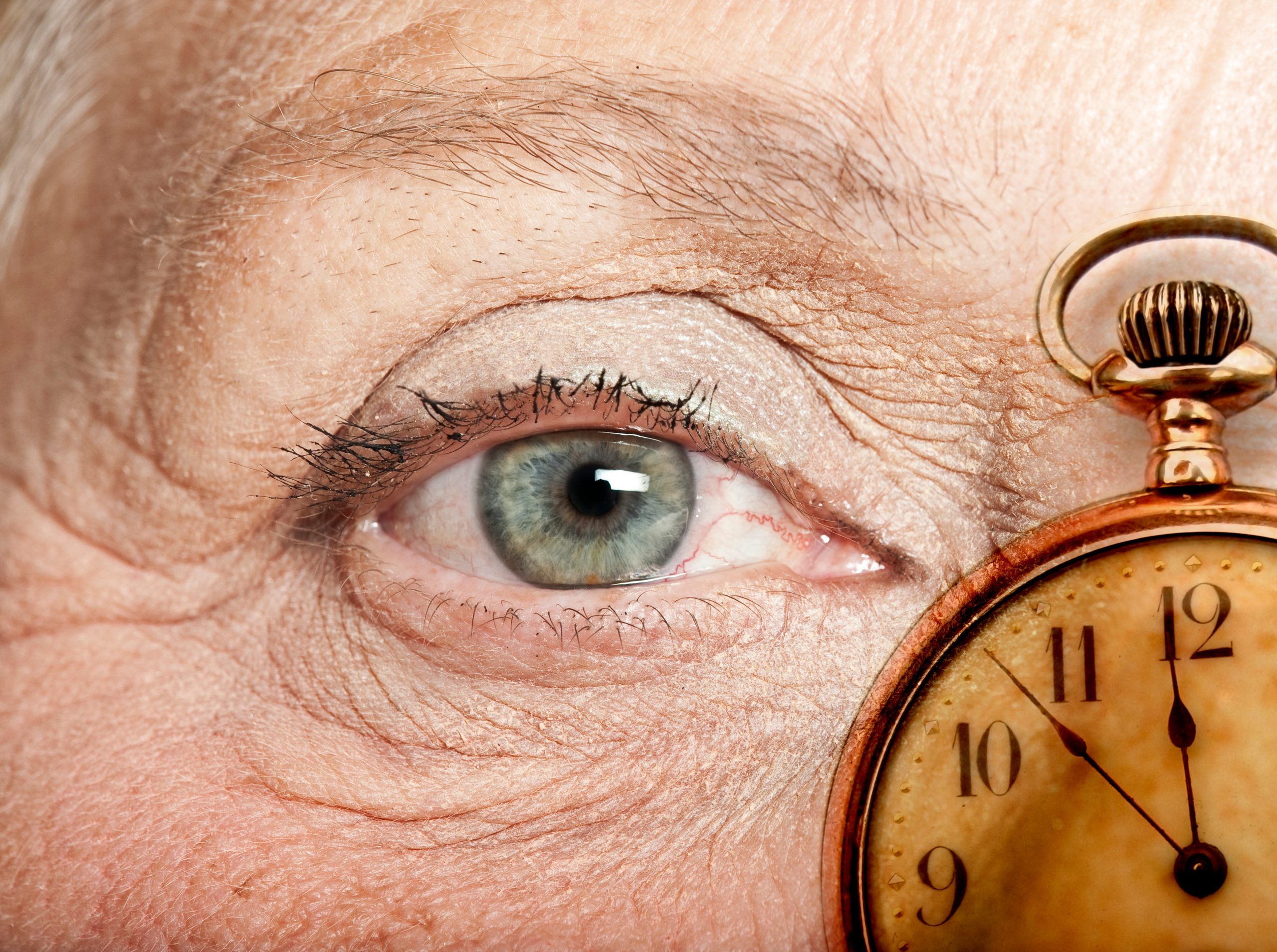 In the current study, PhenoAge was used for this purpose, among other measures. This method combines various biological characteristics to obtain an estimate of biological age. The researchers then investigated whether certain characteristics of daily activity patterns are associated with a greater or lesser discrepancy between biological and chronological age.
The question here was not whether a smartwatch can directly determine a person’s age. Rather, the study examined whether patterns could be identified in long-term activity data that are related to biological aging characteristics.
Step Count Tells Only Part of the Story
When it comes to physical activity, we often think first of the number of steps we take or the time we spend exercising. For chronobiology, however, another question is of interest: When does the activity take place?
A wearable device can track over extended periods when a person is active and when they are more sedentary. This creates a pattern that can be observed throughout the entire day. The researchers therefore examined various characteristics of what is known as the rest-activity rhythm.
These included, among other things:
- the strength of the rhythm,
- the timing of activity,
- day-to-day regularity,
- and the overall level of physical activity.
This transforms the simple question “How much does a person move?” into a chronobiologically more interesting question: How is activity distributed throughout the day, and how stable is this pattern?
A More Pronounced Rhythm Was Associated With Less Accelerated Aging
Of particular interest was what is known as rhythm intensity. Put simply, it describes how distinctly active and quiet phases differ from one another within a day. The study found an association between higher rhythm intensity and lower odds of so-called accelerated biological aging. The authors report odds that are 26 to 46 percent lower, depending on the specific model or the degree of the rhythm examined.
However, this figure should not be misunderstood. It does not mean that people with a more pronounced daily rhythm automatically age 26 to 46 percent more slowly. The study shows a statistical association between the characteristics examined. It does not prove that a specific activity rhythm is the cause of slower biological aging.
This is an important distinction. For example, people with certain activity patterns may also differ in terms of other lifestyle or health factors.
The Regularity of the Daily Rhythm is also of Interest
In addition to the strength of the rhythm, the researchers also examined its stability. This does not mean that every single day must look exactly the same. Rather, the question is whether the basic pattern of activity and rest repeats itself across different days.
Correlations between this temporal regularity and the aging characteristics studied were also found. Interestingly, some results differed between women and men. In women, the correlations between timing and regularity and accelerated aging were more pronounced. In men, on the other hand, a distinct pattern of unstable activity emerged, characterized by early activity peaks and renewed activity in the late evening.
These differences are an interesting finding of the study. However, they should not be interpreted as a simple biological rule. These are statistical patterns within the studied population, the causes of which require further research.
Movement and Rhythm Are Not the Same Thing
The results make it clear why the sheer number of steps may not tell the whole story. For example, two people can take a similar number of steps per day and still have completely different daily patterns. One person moves relatively regularly throughout the day.
Another person is largely inactive during much of the day but has a few distinct periods of high activity. The total amount of movement may be similar, while the temporal structure differs significantly. It is precisely this structure that is of interest to chronobiology. Current research suggests that activity rhythms and physical activity can provide different insights into a person’s biological state.
Why Wearables Are of Interest to Chronobiology
The study also highlights the new opportunities that modern wearables open up for research. Traditionally, circadian rhythms can be studied under controlled conditions—for example, through sleep-wake measurements, body temperature, or hormonal markers.
This is scientifically valuable but time-consuming. A smartwatch or fitness tracker, on the other hand, can collect data from everyday life over long periods. This allows for the observation of activity and rest phases over many days, months, or even years.
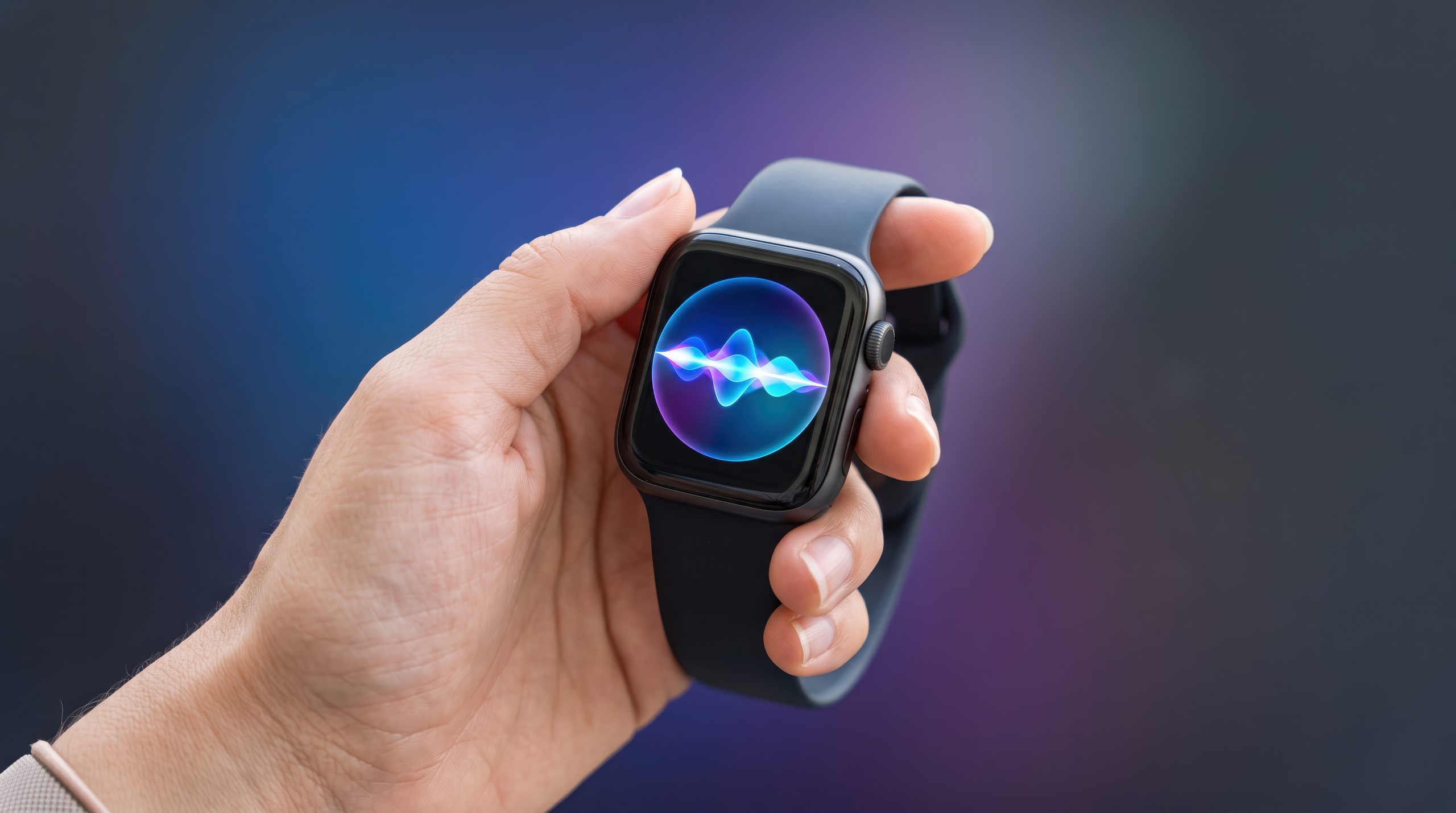 The current study therefore discusses the possibility of using such data as digital biomarkers for aging processes. However, this does not mean that a smartwatch can reliably determine a person’s biological age today. Research in this area is still in its early stages. What is interesting, however, is the fundamental idea: everyday activity data could contain information relevant to the study of health and aging processes.
What Does this Have to Do With the Body’s Internal Clock?
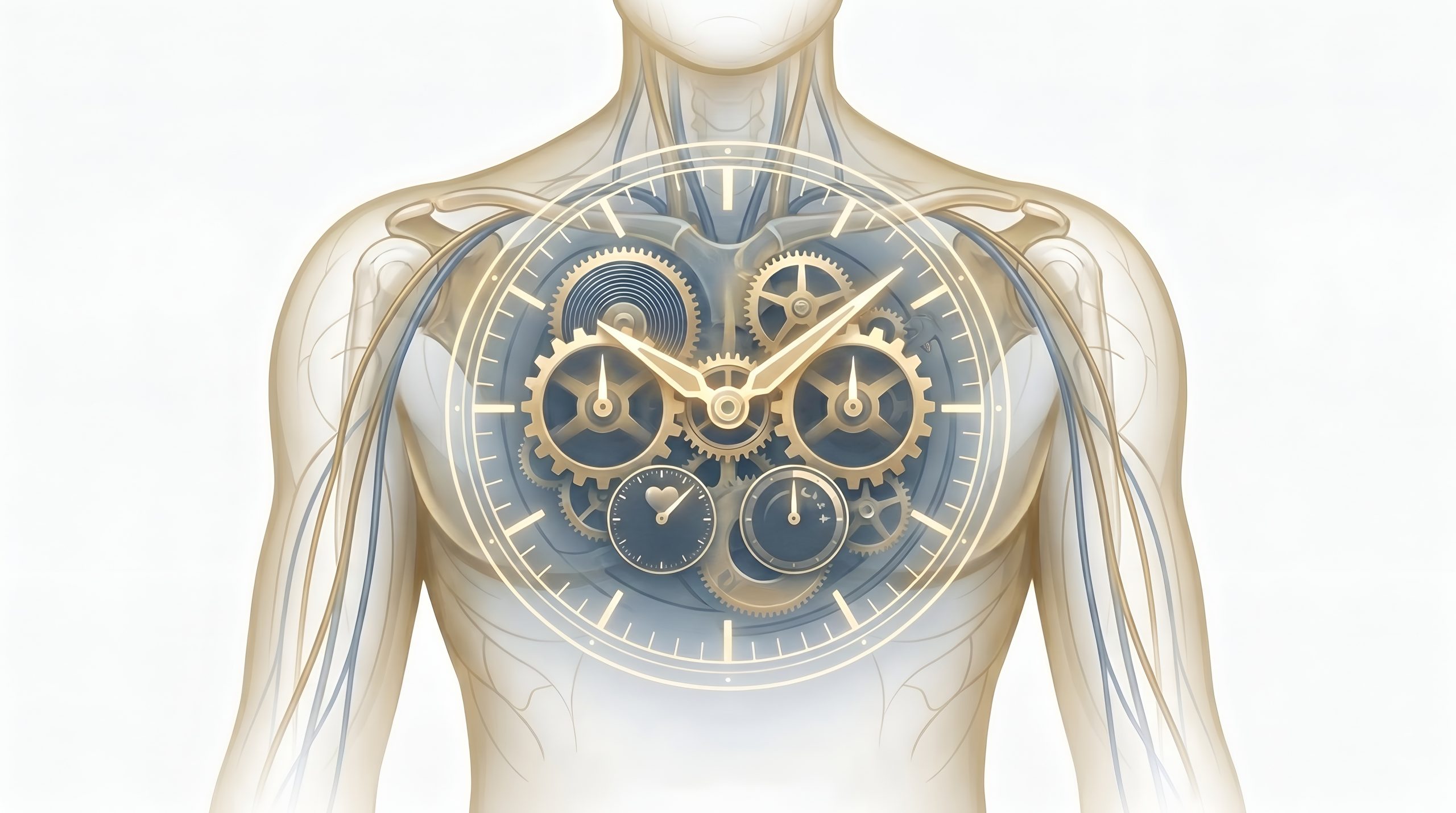
Our daily rhythm arises from the interplay of various biological processes. The suprachiasmatic nucleus in the brain plays a central role; it is considered a key pacemaker of the circadian system. At the same time, numerous organs and tissues have their own molecular clocks. This temporal organization influences, among other things, the sleep-wake cycle, hormone release, metabolism, body temperature, and other physiological processes.
Activity and rest are also integrated into this system. When researchers observe a connection between daily activity patterns and biological aging, a further question arises: Does the activity pattern merely reflect a person’s lifestyle—or does it also contain information about how their biological timing system functions?
The current study cannot definitively answer this question. However, it shows that the temporal structure of our daily lives may contain more information than a mere examination of daily physical activity levels would suggest.
Another Study Examines the Link to Inflammation
Another research study from 2026 explores the possible connection between activity rhythms, inflammatory processes, and aging. In a study published in February 2026 in npj Aging, data from more than 62,000 adults were analyzed. Here, too, activity data from wearables were used.
The researchers found associations between a lower rhythm amplitude, lower stability of the circadian rhythm, and higher values of a systemic inflammation index. In a subset of the study group, associations between these factors and mortality were also examined.
The results thus provide further evidence that the temporal organization of activity, physical exercise, and inflammatory processes may be interconnected. However, caution is important when interpreting these findings.
The study does not prove that an irregular circadian rhythm directly causes inflammation or that a change in the rhythm automatically leads to a longer lifespan. The researchers themselves describe inflammation as a possible mechanism within these relationships.
The Research Shifts the Focus to Exercise
 Until now, physical activity has often been considered primarily from two perspectives: How much do we move? And how intensely do we exercise? Chronobiology adds a third question: When do we exercise?
The new research makes it clear that the temporal structure of activity and rest could also be scientifically relevant. This is an interesting shift in perspective. After all, our bodies do not function independently of time. Many biological processes change over the course of a day. Therefore, our exercise behavior might not only be a question of quantity, but also, to some extent, a question of timing.
What Does this Mean for Everyday Life?
No simple recommendation can be derived from the current study, such as: “People who exercise at the same time every day age more slowly.” Such a statement would not be supported by the data. Rather, the research suggests that a regular and well-defined daily rhythm could be a characteristic associated with certain health and biological traits.
Whether a deliberate change in one’s activity rhythm can actually influence biological aging processes must be investigated in future studies. For everyday life, this means above all that how we organize our time could be just as important as the sheer amount of our activity.
The Body’s Internal Clock May Leave its Mark on Everyday Life
Current research bridges two fields that have long been considered separately: chronobiology and gerontology. Biological aging occurs at the molecular, cellular, and physiological levels. At the same time, our everyday behavior also changes. Wearables now make it possible to observe this behavioral level over long periods of time.
Perhaps this will make it possible in the future to detect changes that would remain hidden in individual measurements. This hasn’t yet resulted in a personal “aging test.” But the research points in an interesting direction: It’s not just the amount of our activity that might be significant, but also how it’s organized over time.
This brings a central question in chronobiology more into focus: How well is our daily routine organized in terms of time—and what can this pattern reveal about our biological state?
You may also be interested in...
-

When researchers talk about biological rhythms, most people assume they are talking about the internal…
-
Our circadian rhythm governs many of our daily activities, from when we sleep and wake to when…
-
With around 12 percent of women of reproductive age having trouble conceiving, infertility is a…