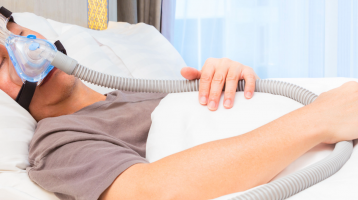
When temperatures rise, sleep often suffers. Hot nights can make it harder to fall asleep, increase the number of times you wake up during the night, and leave you feeling less rested the next day. One reason for this is thermoregulation—the body’s ability to maintain its core temperature within a safe range. Sleep is closely linked to body temperature: to fall asleep and stay asleep, the body generally needs to release some heat. Hot bedrooms make this more difficult.
And summers in the UK are getting hotter. It is reported that the probability of temperatures exceeding 40 °C in the UK is now more than 20 times higher than it was in the 1960s, with a 50% chance of another 40 °C day occurring within the next 12 years. Heat waves are also becoming more frequent and intense in other European countries. In recent years, new temperature records have been set in many countries, and days with temperatures around or above 40 °C are now occurring significantly more frequently than they did a few decades ago. In cities in particular, the heat can become a problem at night, as buildings, streets, and rooftops store heat and release it again even after sunset. As a result, indoor spaces remain warm longer, making it harder to rest at night.
So How Can You Sleep Better in Hot Weather?
Humidity can make the problem even worse. Studies on humidity and heat stress show that high humidity can increase the body’s heat stress. One way the body cools itself is by sweating. When sweat evaporates from the skin, it carries heat away. However, if the air is already humid, evaporation is less efficient. Air conditioning is one way to cool rooms effectively, but it is not a practical solution for every household. In addition to the initial cost, energy consumption, environmental considerations, and structural constraints also play a role. That is why many people first turn to simple measures that can help reduce the heat inside their homes.
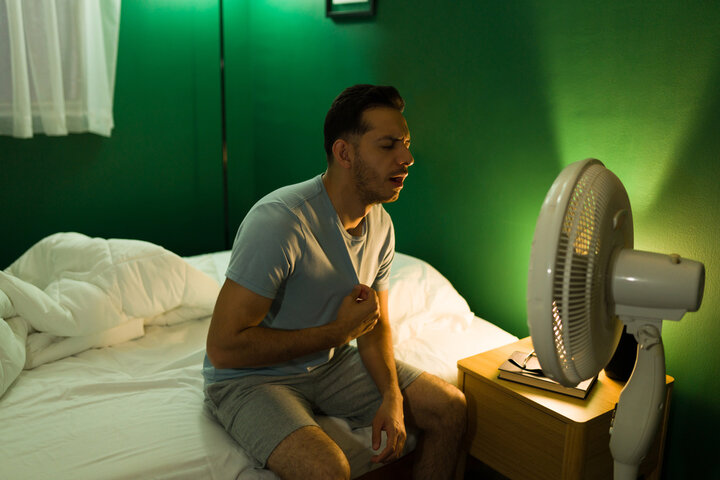 Studies on overheating in living spaces show that shading and targeted ventilation, in particular, are important passive cooling strategies. They can help lower the room temperature without technical cooling. The key is to allow as little heat as possible to enter the home. The largest sources of heat are often direct sunlight through windows and warm outside air that enters the interior.
Before attempting to actively cool a room, you should therefore prevent it from heating up excessively during the day. The following eight measures can help keep bedrooms and living spaces pleasantly cool on hot days, thereby creating better conditions for restful sleep.
1. Keep Sunlight Out During the Day
On sunny days, keep curtains or blinds closed on windows facing the sun. This reduces the amount of light entering the room and prevents floors, walls, and furniture from heating up. Exterior shading such as shutters, awnings, or sunshades can be even more effective, as they block some of the sunlight before it reaches the glass.
Be careful with windows. If the outside air is hotter than the inside air, opening windows can let heat in. Open windows when the outside air is cooler than the inside air—often early in the morning, in the evening, or overnight. Close them during the hottest part of the day, when the outside air is warmer.
2. Use Cross-ventilation When the Outside Air is Cooler
Cross-ventilation means opening windows or doors on different sides of an apartment or house to create a draft. This air exchange helps expel warm, stale indoor air to the outside and let in cooler outside air.
This method is particularly effective in the early morning hours, in the evening, or at night, when outdoor temperatures are lower than those inside the home. During a heat wave, a building can heat up significantly during the day: walls, floors, furniture, and ceilings store heat and continue to release it for hours afterward. By ventilating strategically during cooler times of the day, some of this stored heat can be dissipated.
Studies on passive cooling of residential buildings show that nighttime ventilation, in particular, can help reduce overheating of interior spaces. However, how well this method works depends on various factors—including the building’s construction, the outdoor temperature, the size and arrangement of the windows, and the air quality in the surrounding area. Safety and noise considerations should also be taken into account. In densely built-up areas, along busy streets, or in ground-floor apartments, leaving windows open all night can be problematic. In such cases, tilted windows, ventilation through less-used rooms, or time-controlled ventilation can be alternatives.
It’s important to note that ventilation shouldn’t automatically mean leaving windows open all day. Otherwise, if the outdoor temperature is higher than the indoor temperature in the afternoon, additional heat will enter the home. Cross-ventilation is most effective when used strategically—that is, whenever the outside air is actually cooler than the inside air.
3. Reduce Heat Buildup in Sunrooms and South-facing Rooms
Sunrooms can get very hot because sunlight penetrates the glass and heats the interior surfaces. Ensure good ventilation during the day and, if possible, close the interior doors between the sunroom and the rest of the house. Reflective films, blinds, shutters, awnings, and shaded roofs can reduce heat gain.
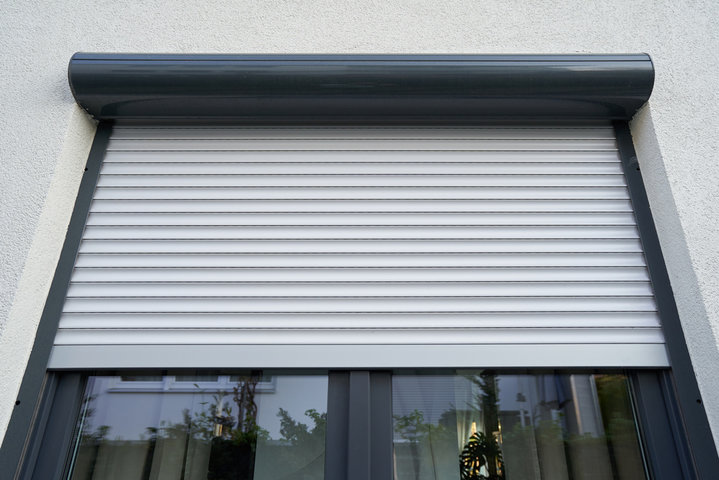 Attics and top-floor rooms can also get hot because roofs absorb the sun’s heat. Attic ventilation or reflective roofing materials can help in some homes, although these are typically more extensive measures. For example, solar panels on the roof can generate electricity while also acting as a barrier to reduce heat transfer into the building.
4. Relocate Your Sleeping Area
Not every bedroom stays equally cool in hot weather. Rooms on the top floor or directly under the roof are often among the warmest areas of a house or apartment, as warm air rises and roofs and exterior walls store the day’s heat. This stored heat is slowly released into the interior even after sunset and can make it significantly harder to sleep.
A room’s orientation also plays a role. Bedrooms with windows facing south or west are exposed to particularly intense sunlight during the day and can heat up significantly well into the evening hours. During a prolonged heat wave, it may therefore be wise to temporarily move to a cooler room—for example, a room on the ground floor or on the less sunny side of the house.
Even small adjustments can improve sleeping conditions: If possible, the bed should not be placed directly against a heavily heated exterior wall. Sun protection such as roller shutters, blinds, or curtains helps keep the heat out during the day. Combined with targeted ventilation during the cooler hours, this can help keep the bedroom more comfortable at night.
5. Reduce Indoor Heat and Humidity
Ovens, stovetops, clothes dryers, washing machines, and dishwashers can heat up indoor spaces. Cooking and drying clothes indoors can also increase humidity, making it harder for sweat to evaporate.
On very hot days, use heat-generating appliances either earlier in the day or later in the evening. Turn on exhaust fans while cooking or showering, as they remove warm, humid air before it spreads throughout the home. Studies on moisture movement and exhaust fans have shown that fans can reduce the spread of moisture from the kitchen and bathroom into other rooms.
6. Choose Breathable Bedding and Clothing
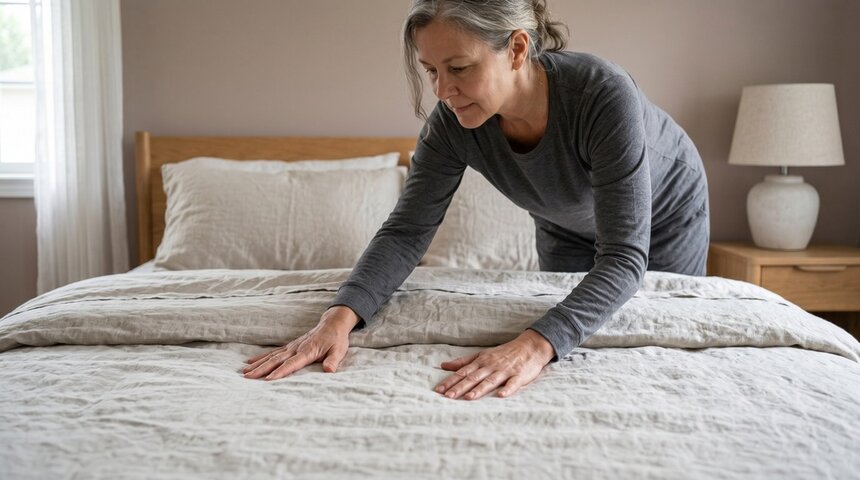 A study on fiber types in nightwear and bedding found that bedding and clothing can influence thermal comfort during sleep. Lightweight, loose-fitting nightwear and bedding can help the body release heat. Cotton and linen are often comfortable because they absorb moisture and allow air to circulate, although the weave, thickness, and moisture management properties of the fabric also play a role. Avoid heavy bedding, thick comforters, and tight-fitting synthetic fabrics that trap heat and moisture.
7. Use Fans Judiciously
Findings on the use of electric fans in hot weather suggest that fans can be useful in many hot conditions, but their safety depends on temperature, humidity, age, fluid intake, and health status. Fans do not cool the air. They circulate air over the skin, which can promote the evaporation of sweat and provide a cooling sensation.
In very high temperatures, especially for older adults or people who are dehydrated, fans alone may not be enough. If you use a fan, drink water, avoid directing the airflow continuously at your face while sleeping, and stop using it if it makes you feel hotter, dizzy, or unwell.
8. Try Cost-effective Cooling Aids Safely
Reusable cooling packs, ice packs, or cooling pads can help some people feel more comfortable. Wrap cooling packs in a cloth or place them on a tray to prevent condensation from soaking the bedding or the skin from coming into direct contact with the cold.
Cooling mattress toppers and bedding that use water or phase-change materials can also help. These materials absorb, store, and release heat as they change their physical state, though costs and effectiveness vary. In hot weather, getting a good night’s sleep starts long before bedtime.
A combination of different measures is usually most effective: blocking out sunlight during the day, ventilating when the outside air is cooler, reducing heat generated by electrical appliances, sleeping in the coolest room available, and using bedding that allows the body to release heat.
You may also be interested in...
-

Sleeping with pets is a lot more common than one may think. However, there are…
-
Understanding the circadian rhythm of the organism behind sleeping sickness offers insight into human clocks…
-
Your sleep position may be more than a matter of comfort. New research suggests that…