Consistent schedules for sleep, meals, and daily activities may have a greater impact on our health than previously thought. A new study from the University of Missouri shows that older adults with more regular daily routines reported less physical pain and depressive symptoms—even when they suffered from sleep problems.
Regular Routines Despite Sleep Problems
Many people make sure to get enough sleep. But it’s not just the duration and quality of sleep that seem to be crucial for our health. The timing of when we sleep, eat, wake up, and go about our daily activities could also play an important role. Our bodies are attuned to a specific rhythm. Numerous biological processes follow an approximate 24-hour pattern. If these processes are regularly disrupted by varying bedtimes, irregular meals, or a significantly altered daily routine, it can affect well-being.
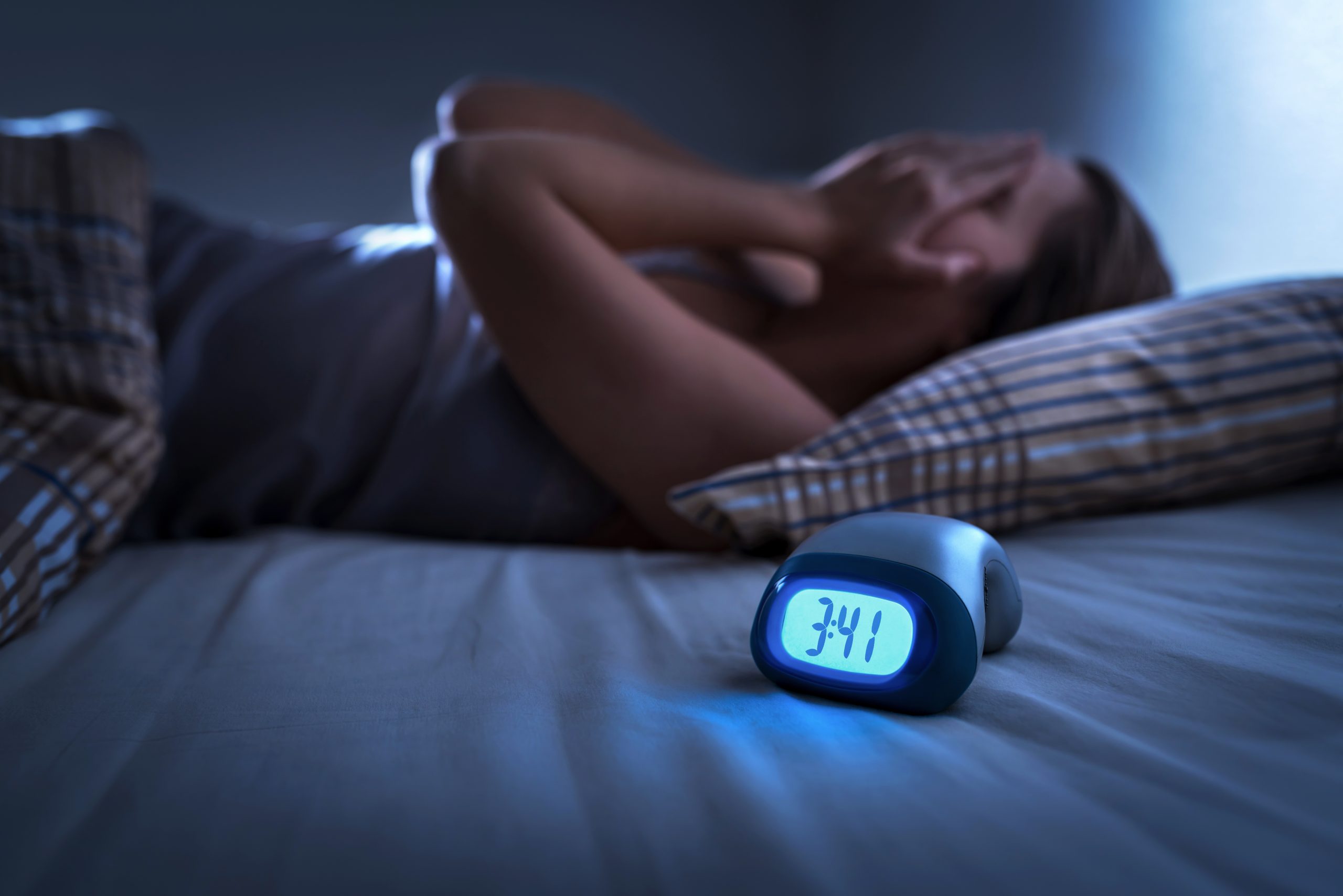
A study from the University of Missouri provides new insights into this. The researchers found a link between more regular daily routines and reduced physical pain as well as depressive symptoms among older adults. The results were published in the Journal of Behavioral Medicine. For the study, the research team analyzed data from 67 older adults. Thirty-seven of them reported insomnia. The scientists were interested not only in sleep quality but also in how regularly the participants structured their daily lives. As expected, people with sleep problems experienced, on average, more physical pain and more severe depressive symptoms than those without insomnia. However, the researchers noticed something else during their analysis: Participants with more regular daily routines reported less pain and fewer depressive symptoms.
This correlation was also evident among people who suffered from insomnia. A regular daily routine thus appeared to play a role in well-being, regardless of sleep quality. This was not exclusively about fixed bedtimes. Regular times for waking up, meals, social interactions, and other daily activities were also taken into account. The study suggests that a reliable daily schedule may help reduce physical and mental health issues. However, this is an observational study. It is not yet possible to conclude whether regularity is actually the cause of the improved well-being.
Why Our Internal Clock Needs Fixed Times
Our body follows an internal clock that coordinates numerous processes within the organism. This roughly 24-hour rhythm is known as the circadian rhythm. Among other things, it influences the sleep-wake cycle, body temperature, metabolism, and the release of various hormones.
The interaction between melatonin and cortisol is particularly well known. Melatonin is released primarily in the dark and helps prepare the body for sleep. Cortisol typically rises in the early morning hours and helps the body start the day.
These processes function best when the body can adjust to recurring times. If bedtimes are frequently delayed or daily routines vary greatly, it can become difficult for the internal clock to synchronize with actual daily life.
This doesn’t just affect sleep. Digestion, metabolism, and other bodily functions also follow rhythmic patterns. Chronobiology focuses precisely on these relationships and examines how important the right timing is for various biological processes.

Daylight Is the Most Important Timekeeper
For the internal clock to function properly, it needs regular signals from the environment. The most important timekeeper is daylight. Light is detected by special light-sensitive cells in the retina and transmitted to the so-called suprachiasmatic nucleus in the brain. This small area in the hypothalamus is considered the central control center of our internal clock. Natural morning light, in particular, helps the body align its day-night rhythm. It signals to the brain that the day has begun and influences, among other things, the timing of melatonin release.
People who go outside regularly in the morning help synchronize their internal clock. In the evening, however, it’s better to avoid bright light so the body can prepare for a night’s rest. In addition to light, meals, exercise, and social activities also play a role. They act as additional timekeepers and help the body align its various biological rhythms with daily life.
Social Jet Lag: When the Weekend Rhythm Throws Off the Body’s Internal Clock
A common problem is what’s known as social jet lag. This refers to a shift in the sleep-wake cycle between workdays and days off. People who get up early during the week but sleep significantly longer on the weekend and go to bed late repeatedly throw their internal clock off its usual rhythm. The body has to regularly adjust to changing times—similar to experiencing mild jet lag after traveling across multiple time zones.
This effect can be particularly pronounced when people don’t get enough sleep during the week and try to make up for the sleep deficit by sleeping in late on the weekend. Of course, sleeping in occasionally isn’t a problem. However, if sleep schedules are regularly shifted significantly, it can become more difficult to get back into the usual rhythm at the start of the new week. That’s why sleep and chronobiologists recommend keeping sleep and wake-up times as consistent as possible. This should apply to the weekend as well, whenever possible.
How to Establish a Regular Daily Rhythm in Everyday Life

It doesn’t always have to involve major changes. Even a few consistent habits can help the body develop a more reliable rhythm.
- Get up at the same time whenever possible: A consistent wake-up time helps stabilize the sleep-wake cycle.
- Take advantage of daylight in the morning: A walk or breakfast by a bright window supports your internal clock. Natural outdoor light is particularly effective.
- Eat regularly: Consistent mealtimes provide your metabolism with a sense of timing. Very late and irregular mealtimes should be avoided whenever possible.
- Schedule physical activity: Physical activity during the day supports the natural transition between activity and rest.
- Wind down in the evening: Ending the day as consistently as possible makes it easier for the body to prepare for the night.
- Limit weekend shifts: If you don’t have completely different sleep times on the weekend compared to the weekdays, you’ll avoid major changes to your own rhythm.
The key here is not to structure your entire daily routine around a rigid schedule. Rather, what matters is a certain degree of regularity to which the body can adapt.
Regularity Alone is No Substitute for Healthy Sleep
The study’s findings are interesting but should not be overinterpreted. Only 67 older adults participated in the study, and the researchers analyzed survey data. They were therefore unable to prove that regular daily routines actually reduce pain or depressive symptoms. It also remains unclear whether the results can be equally applied to younger people. Further studies are needed to determine the role that the regularity of daily routines plays in different age groups.
Nevertheless, the study draws attention to an important aspect: health isn’t just built up during sleep hours. What we do during the day and the times at which we do it also influence the synchronization of our biological rhythms. A regular daily routine can therefore be a meaningful part of a healthy lifestyle—especially for people who suffer from sleep problems. Our internal clock doesn’t need a perfect routine, but it benefits from recurring times and reliable cues.
You may also be interested in...
-

Fibromyalgia, a chronic pain disorder, affects an estimated 4 percent of the population but is…
-
One in 12 Americans suffers from asthma, an inflammatory airway disease costing an estimated $56…
-
Everyone suffers from occasional pain. However, for some people, pain is a common and even…