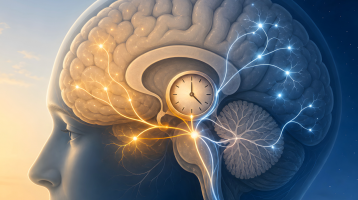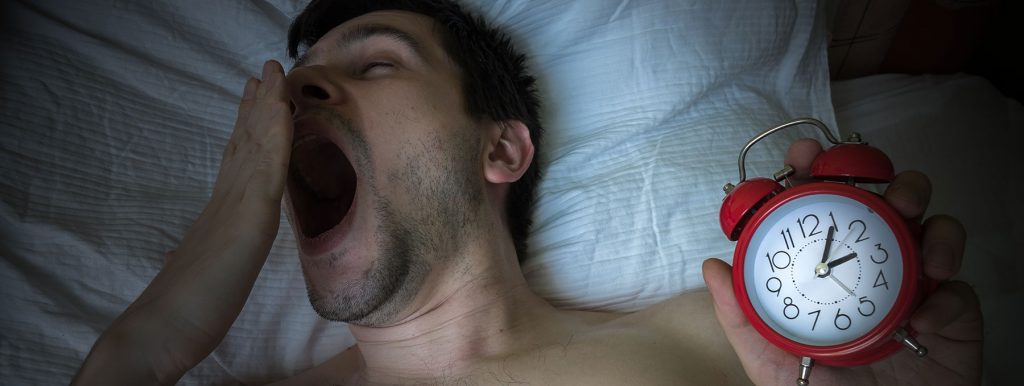
Some people bounce out of bed at dawn, ready to take on the day. Others have to hit the snooze button repeatedly before dragging themselves to the coffee pot. Many people are night owls, which is a natural variant of the human circadian rhythm that can be as healthy as any other chronotype. Having an […]
Watching TV at Night Can Be Detrimental to Your Health
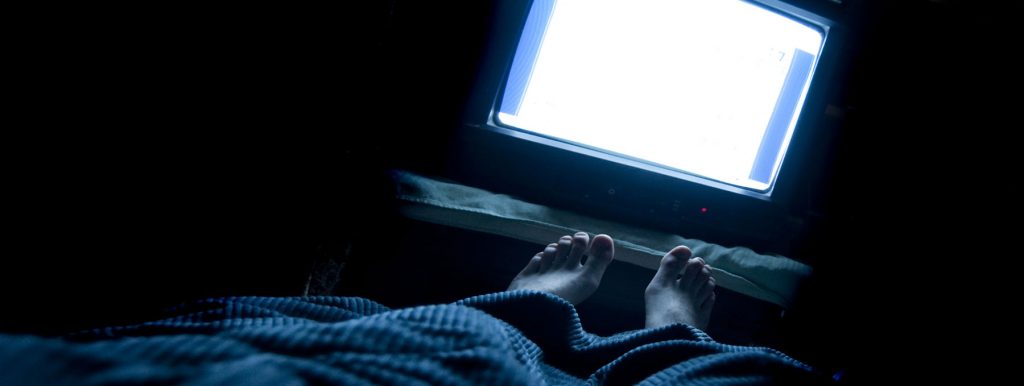
Many Americans settle down for a favorite television show every night before bed. In many ways, this seems like the perfect way to entertain yourself while relaxing in the hours between work and sleep. However, watching TV (or looking at any other screen) at night appears to affect the circadian rhythm in ways that could […]
Cortisol’s Role in the Synchronization of Your Circadian Rhythm

Most people associate cortisol with the “fight or flight” response. While this biochemical indeed functions as a stress hormone—and can have negative effects in excess—it is a necessary hormone for a variety of human biological functions. It is produced from cholesterol in the adrenal glands, which sit directly on top of the kidneys. It is released […]
When the Brain Dreams, its Energy Balance is Thrown off
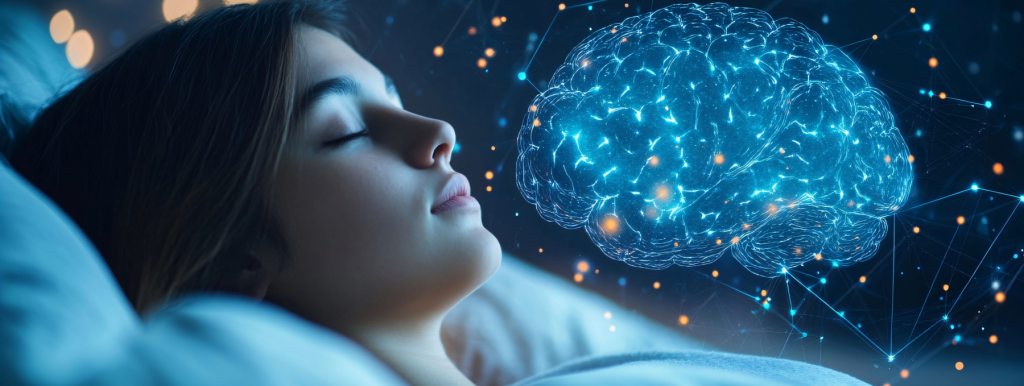
During REM sleep, the brain exhibits an unusual combination of phenomena: Blood flow increases, and levels of an important metabolic component also rise—while at the same time, ATP levels—the brain’s primary energy source—decrease in nerve cells. Researchers at Tohoku University have studied this relationship in sleeping mice in real time. The results show that the […]
Oxygen as a Timekeeper: How Breathing Influences Our Internal Clock

For decades, the matter seemed clear: light regulates the body’s internal clock. In the morning, sunlight hits the retina, the brain stops producing melatonin, and the body switches to a state of wakefulness. In the evening, light intensity decreases, drowsiness sets in, and the body’s internal clock prepares the body for sleep and recovery. This […]
- « Previous Page
- 1
- …
- 32
- 33
- 34
- 35
- 36
- …
- 61
- Next Page »