A research team at Charité – Universitätsmedizin Berlin has developed a method for determining a person’s individual internal clock using just a few hair follicles. The results, published in the journal PNAS, are considered a significant advance for the field of circadian medicine. This field of research examines how biological daily rhythms influence health, disease, and the effectiveness of medical treatments. In the long term, the new test could help better align medications, diagnoses, and therapies with the body’s natural rhythm, thereby paving the way for even more personalized medicine.
The researchers led by chronobiologist Achim Kramer see their development as a way to solve a central problem in chronobiology. Although it has been known for years that nearly all biological processes in the body follow an internal schedule, until now there has been no simple, practical method for reliably determining this individual rhythm. This is exactly where the new hair follicle analysis comes in.
Why the Internal Clock is so Important
Most people are most aware of their internal clock when it becomes out of sync. After a long-haul flight, during the transition to daylight saving time or standard time, or after several nights of insufficient sleep, it becomes clearly noticeable how strongly the body reacts to changes in time. Fatigue, concentration problems, and reduced performance are typical consequences. In fact, however, the importance of the internal clock extends far beyond sleep.
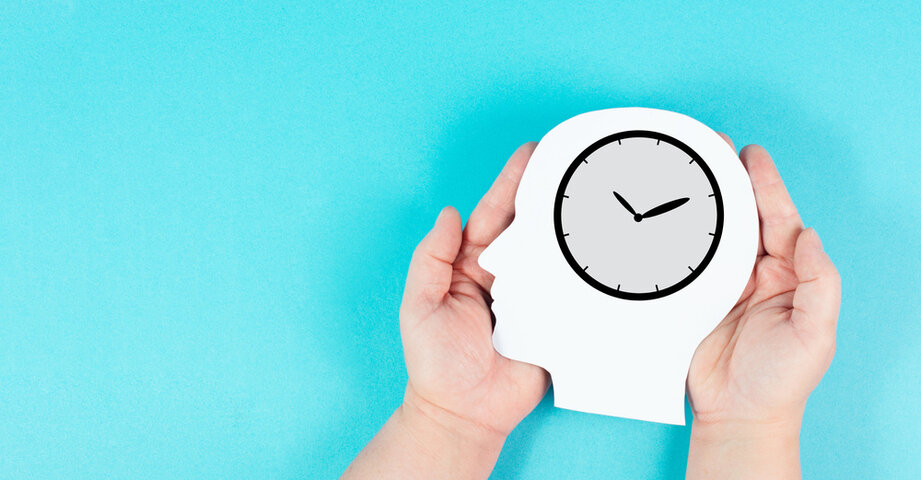 Nearly every function of the human body follows a circadian rhythm—a biological cycle of approximately 24 hours. Blood pressure, body temperature, hormone levels, metabolic processes, and immune system activity constantly fluctuate throughout the day. Even brain function, pain perception, and the regenerative capacity of cells are subject to this biological schedule. Scientists now believe that the human body reacts differently to stress, illness, and medication at different times of the day. Time is therefore increasingly viewed as an independent biological factor that could be given greater consideration in medicine in the future.
This is particularly evident in hormones. While the stress hormone cortisol reaches its peak in the morning and prepares the body for waking up, production of the sleep hormone melatonin increases in the evening. It signals to the body that night is approaching. The immune system also operates according to a fixed rhythm. Studies suggest that certain immune responses and inflammatory processes can vary in intensity depending on the time of day.
Furthermore, the body’s internal clock influences metabolism and cardiovascular function. Thus, blood pressure, heart rate, and the body’s ability to process sugar fluctuate throughout the day. Researchers therefore suspect that not only the type of treatment but also its timing can influence the success of therapy. This connection is currently being intensively investigated in cancer medicine, cardiovascular research, and sleep medicine.
The Control Center is Located Deep Within the Brain
In recent years, it has also become clear that persistent disruptions of the circadian rhythm are associated with various health problems. Shift work, chronic sleep deprivation, or a persistent conflict between biological and social time are associated, among other things, with an increased risk of cardiovascular disease, metabolic disorders, depression, and obesity. For many scientists, the body’s internal clock has long been more than just a timer for sleep—it is considered a central control system for the entire organism.
A tiny structure in the brain, known as the suprachiasmatic nucleus, is responsible for coordinating these processes. This nerve center, only a few millimeters in size, is located in the hypothalamus and functions as the body’s master clock. It receives information about incoming daylight and uses these signals to synchronize the organism’s biological rhythms. For a long time, researchers believed that this central clock alone was responsible for controlling the circadian system. However, we now know that nearly every cell in the body has its own molecular timekeepers. These so-called peripheral clocks are found in the liver, the heart, the immune system, and even in hair follicles, among other places. The master clock in the brain ensures that all these decentralized timekeepers operate as synchronously as possible. If this finely tuned system goes out of sync, it can have far-reaching consequences. Chronic disruptions of the biological rhythm are now linked to numerous diseases, including cardiovascular disease, diabetes, obesity, depression, and various metabolic disorders.
Nobel Prize Research Laid the Foundation
Today’s understanding of the internal clock is based on decades of basic research. A decisive breakthrough was achieved by American scientists Jeffrey Hall, Michael Rosbash, and Michael Young. They succeeded in deciphering the genetic mechanisms behind the circadian rhythm. For this work, they were awarded the 2017 Nobel Prize in Physiology or Medicine.
The researchers were able to demonstrate that certain genes in the body’s cells are activated and deactivated in a regular rhythm. These so-called clock genes generate biological feedback loops that produce a nearly exact 24-hour cycle. Today, it is considered established that these genetic processes form the basis of human time perception at the cellular level. The discovery revolutionized chronobiology and opened up new perspectives for medicine. For if genes and cells follow a fixed schedule, it stands to reason that diseases and therapies also follow a time-dependent course.
Circadian Medicine: Therapies Based on the Biological Clock
Circadian medicine emerged from this insight. This field of research explores how treatments can be optimized in terms of timing. The goal is to select medications not only based on diagnosis and dosage, but also on the biologically optimal time for their administration.
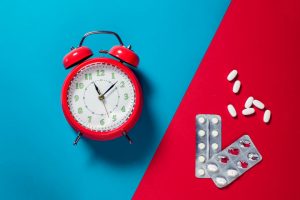
There is already evidence today that some medications work better at certain times of day than at others. Some blood pressure medications appear to be particularly effective in the evening because they can better control nocturnal blood pressure spikes. The time of day also appears to play a role in asthma, allergies, and chronic pain. Many conditions follow a characteristic rhythm and occur more frequently at specific times.
Research is currently particularly intensive in the field of cancer medicine. Scientists are investigating whether immunotherapies and chemotherapies could be more successful if administered in accordance with the biological rhythms of tumor and immune cells. Initial studies provide promising evidence, although further research is still needed. Despite growing interest in chronomedicine, practical implementation has remained difficult so far. The reason is that determining an individual’s internal clock has required considerable effort.
The so-called Dim-Light-Melatonin-Onset method is considered the gold standard. In this procedure, the release of the sleep hormone melatonin is measured over several hours under controlled lighting conditions. The time at which melatonin levels rise provides a very accurate indication of an individual’s chronotype. However, this method is expensive, time-consuming, and can only be performed under laboratory conditions. It is therefore hardly suitable for routine use in doctors’ offices or clinics.
17 Genes in Hair Roots Reveal the Body’s Internal Clock
This is precisely where the new Berlin-based development comes in. The researchers simply collected a few hairs from their subjects, along with the hair roots. The living cells in the hair follicles are crucial here. These cells also possess functioning biological clocks and reflect the body’s circadian rhythm. The scientists focused on 17 genes whose activity changes characteristically throughout the day. Some of these genes are primarily active in the morning, others more so in the evening or at night. Taken together, this creates a biological pattern that allows conclusions to be drawn about the body’s internal clock.
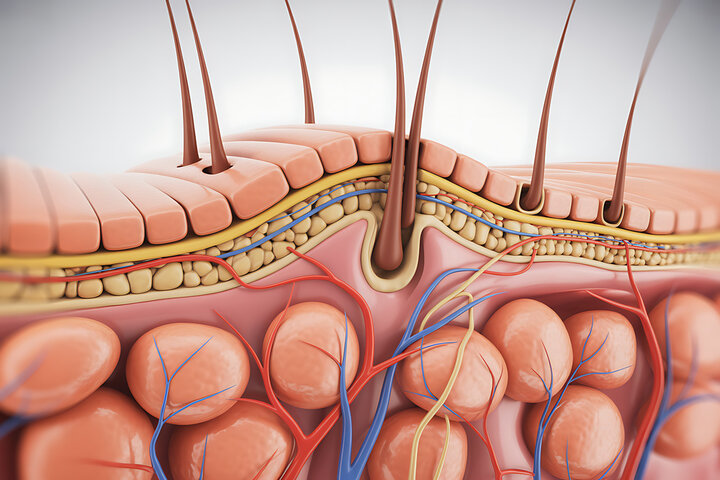 Using modern molecular biology techniques and machine learning methods, the team developed an algorithm capable of analyzing this gene activity. Based on the data, the system calculates the individual state of the biological clock with an accuracy that, according to the researchers, comes close to that of previous melatonin measurements. To verify the reliability of the method, the research team analyzed hair samples from more than 4,000 participants. The study showed that the samples could be easily sent by mail. Many participants collected the hair themselves at home and then sent it to the researchers.
The results confirmed numerous findings from earlier chronotype studies. On average, younger adults have a later biological rhythm than older people. This explains, among other things, why many young adults can stay awake longer in the evening and have greater difficulty getting up in the morning. Differences between men and women also became apparent. Interestingly, these differences were significantly smaller than earlier survey studies had suggested.
Lifestyle Influences the Internal Clock More than Previously Thought
The results regarding the influence of social factors on the biological rhythm were particularly revealing. Analysis of the data showed that people with fixed work hours, on average, had an internal clock set about 30 minutes earlier than those without a regular daily routine. At first glance, this difference may seem small, but for chronobiologists, it is significant. Even shifts of just a few minutes can have long-term effects on sleep patterns, performance, and health. The results suggest that the internal clock is influenced by social conditions to a much greater extent than was long assumed. Work hours, school start times, family obligations, and social routines provide many people with a fixed daily rhythm to which the body adapts, at least in part. Although the biological clock is partly genetically determined, it also responds to external influences and can change over the course of a lifetime.
In this context, scientists often refer to what is known as “social jet lag”. This refers to the persistent discrepancy between the body’s internal biological time and the demands of everyday social life. This phenomenon is particularly evident in people who have to get up early on weekdays, even though their internal clock is actually set for later sleep and wake times. Many of those affected compensate for this sleep deficit on the weekend by sleeping significantly longer. For the body, this creates a state that resembles a constant shift between different time zones.
Research from recent years shows that social jet lag is widespread. Adolescents and young adults are particularly affected, as their internal clock is naturally set to later bedtimes. At the same time, school, training, or work often begin early in the morning. This creates a persistent mismatch between biological needs and social reality. Experts suspect that this chronic misalignment not only leads to fatigue and concentration problems but could also increase the long-term risk of obesity, metabolic disorders, depression, and cardiovascular disease.
 In addition, modern lifestyles are increasingly altering the body’s natural timekeepers. For thousands of years, the human organism was primarily guided by the alternation of daylight and darkness. With the spread of electric lighting, however, this natural rhythm has fundamentally changed. Today, many people spend the majority of the day indoors and are simultaneously exposed to significantly more artificial light in the evenings than previous generations. Electronic devices such as smartphones, tablets, computer screens, and televisions play a particularly important role in this. They emit a high proportion of blue light, which the brain perceives similarly to daylight. This inhibits the production of the sleep hormone melatonin, which normally rises after dark and prepares the body for sleep. As a result, many people stay awake longer in the evening and only become tired later.
Researchers have therefore been observing an increasing shift in sleep times in many industrialized nations for years. While people used to go to sleep shortly after sunset, for many today, the biological night does not begin until much later. This can become particularly problematic when societal demands remain unchanged and getting up early is still necessary. The result is chronic sleep deprivation and a lasting strain on the circadian system. Other factors of modern lifestyle also influence the body’s internal clock. Shift work is considered one of the most significant disruptions to the natural daily rhythm. Those who regularly work at night and sleep during the day force their bodies to work against their biological programming. Numerous studies have shown that shift workers are more likely to suffer from sleep disorders, metabolic problems, and cardiovascular diseases. The World Health Organization therefore even classifies long-term night work as a potentially carcinogenic risk factor.
In addition to light and work hours, exercise, diet, and social activities also play a role. Regular physical activity during the day can stabilize the internal clock, while irregular mealtimes or late meals can further disrupt the biological rhythm. The results of the Charité study thus provide further evidence that the internal clock is not solely genetically determined but is in constant interaction with the environment and lifestyle. It is precisely this interaction that could play an important role in the future if medical treatments are to be more closely tailored to individual biological rhythms.
Opportunities for the Medicine of the Future
The researchers see their method as far more than just a tool for studying sleep habits. In the long term, hair root analysis could help make medical treatments more personalized. In sleep medicine, the test could help identify disrupted sleep-wake rhythms more quickly and treat them more effectively. In oncology, it could be used to determine optimal timing for immunotherapies or chemotherapy. New perspectives are also opening up in the treatment of cardiovascular diseases, metabolic disorders, and chronic inflammation.
Furthermore, the method could play an important role in research. Since the samples can be easily collected and transported, large-scale studies would be possible in the future to more closely examine the influence of lifestyle, environmental factors, and diseases on the body’s internal clock. Despite the promising results, the scientists emphasize that further research is needed. It is still unclear to what extent diseases, medications, or long-term lifestyle changes can influence genetic patterns. It must also be determined how reliably the method works in patients with severe illnesses.
Nevertheless, many experts view the new hair root analysis as an important step toward time-conscious medicine. While modern health research increasingly focuses on genetic and molecular differences between people, individual biological time could also become an integral part of medical decision-making in the future. The central question will then no longer be just which medication a patient needs, but also when the optimal time for its administration is. The Berlin researchers have now presented a method that could help answer this question more precisely than ever before.
You may also be interested in...
-

More than 50 percent of Americans use coffee and other caffeinated beverages on a regular…
-
Chronobiology is one of the most studied topics in modern medicine. It is no surprise…
-
Have you heard popular advice to avoid eating at night? Have you ever been told…